
Interview with Artist Helen Birnbaum: A Call to Action
Interview with Helen Birnbaum, winner of the 2026 Under the Sea A Call to Action category with Shed Salty Tears, 2024.
Helen Birnbaum makes sculpture that sits at the edge of something breaking. Her work spans both large-scale installations and smaller, more intimate pieces, but all of it circles back to the same questions: what we've built, what we've damaged, and what it costs to keep going the way we are. Contemporary life is her starting point — consumerism, screens, the slow damage we do without quite looking at it — and she renders all of it in ceramic, fused with the literal waste society leaves behind.

Shed Salty Tears Part One

Shed Salty Tears Part Two

Shed Salty Tears Part Three
Q. Tell us a little bit about yourself and your art.
I approach society, and science, in a questioning way and the starting point of much of my work is contemporary society’s relationship with world changing events such as climate change, new technologies and pandemics. The aim of my work has always been to communicate these ideas in the most accessible, and even, humorous way possible.
The sculptures are in part made of ceramic and in part the rubbish we discard and are symbols of the way we treat our precious environments. Through assemblage and ceramic hand building methods techniques I create these sculptural installations. My work has featured in many exhibitions including Shed Salty Tears which was exhibited during the Venice Biennale, 2025, at the '“Art for the Planet” exhibition. Shed Salty Tears was one of only three UK artworks chosen, and Category Winner of the MOKU Art UNESCO Under the sea 2026 exhibition. TERRA FIRMA Leaky Boat, about the refugee crisis, was shown at Cop26 in Glasgow in 2021 and later that year in the Glastonbury Festival Arts Science tent. In 2023 the National Grid used images of my work in a report about climate change.
Q. What drew you to the intersection of art and science, particularly in your ocean-themed art?
I was inspired to combine Art and Science in my work because both demand a curious, observant nature – which I have. I was particularly drawn to ocean-themed art because it could create a powerful vision and translate complex environmental information into emotional narratives. I was also keen to inspire crucial conservation efforts. The ocean offers a unique space to bring art and science together because it:
Bridges the empathy gap: Scientific data (like water temperature metrics or ocean acidification stats) is essential but can feel abstract to the public. Art translates these dry figures into emotional, human experiences that foster empathy.
Translates Unseen Data for a wider non-scientific audience: The deep sea is one of the most inaccessible environments on Earth. Artists collaborate with marine biologists and research institutions to turn obscure scientific findings into visual, auditory, and tactile works.
Inspires Hope: Instead of focusing purely on the negativity and fear that surrounds climate change, many artists use the synthesis of art and science to spark hope. By highlighting the stunning, resilient biodiversity of the ocean, artists, such as myself, encourage audiences to protect what they care about
Q. What role does research play in your art practice?
In my art practice, I use research to bridge the gap between statistics and human emotion. Research lends an authenticity to the artwork. Complex information about oceans such as climate change, life cycles of coral and human refuse dumped in the sea can be translated by art into sights that engage people and inspire action. I use on-line sources and museums to research my subject matter before, and throughout completion of the artwork.
More generally research is used to:
Analyse marine datasets and field recordings create a sensory experience, making invisible or hard-to-understand science accessible to the public.
Science alone is not enough to change people’s minds about climate change and marine conservation, whereas art driven by research can evoke a powerful emotional response.
As artists look to science for subject matter, scientists look to artists to provide new perspectives to scientific issues. The cross fertilisation allows researchers and artists to ask unique questions, imagine new ways of doing things and see scientific data through an aesthetic lens.
Q. Shed Salty Tears is made partly from ceramic and partly from the rubbish we discard. Can you walk us through how a piece like this comes together, from concept to the objects you chose to include?
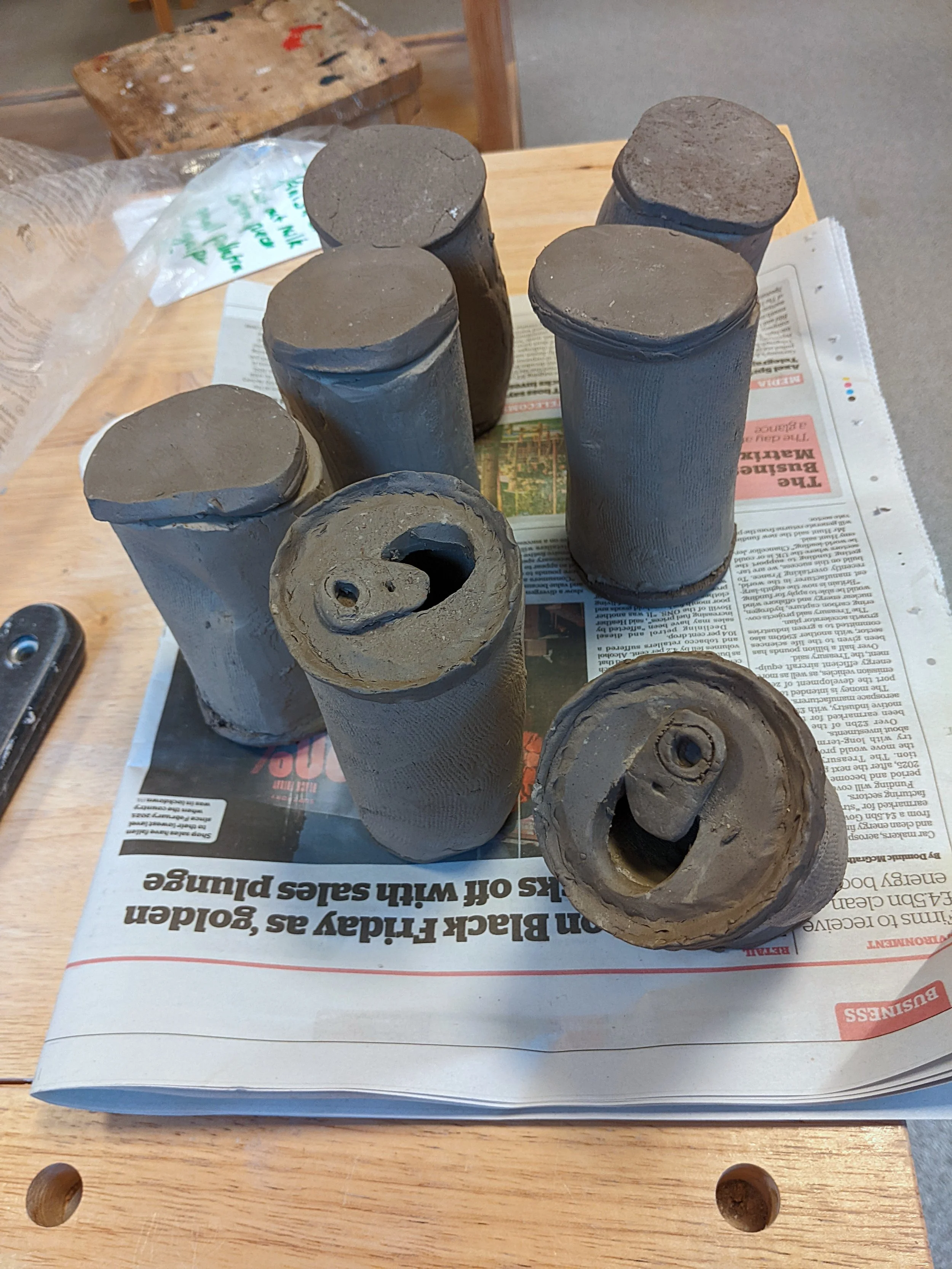
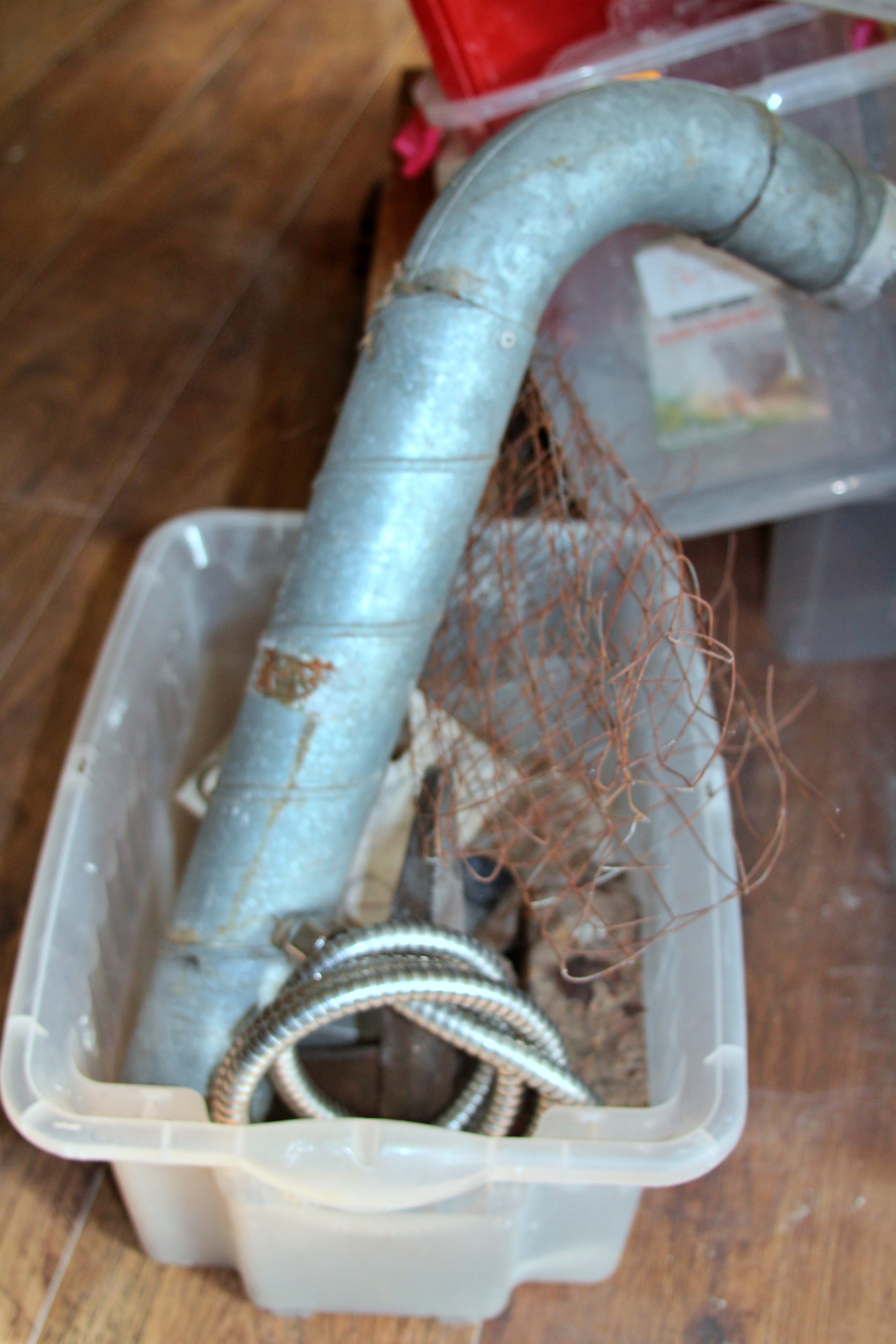
Rusted metals, crushed cans, and discarded plastic are forms of industrial waste found within my work, and by being used, not only is it sustainable, but it also implies how waste persists in our ecosystems and pervades everything within this natural world.
The materials I find had become useless until being repurposed, and challenge the viewer to think about what they consume, and how they dispose of the materials they use every day. Aluminium, steel and copper waste found in local scrap yards and recycling centres in North West UK is also used.
The Process
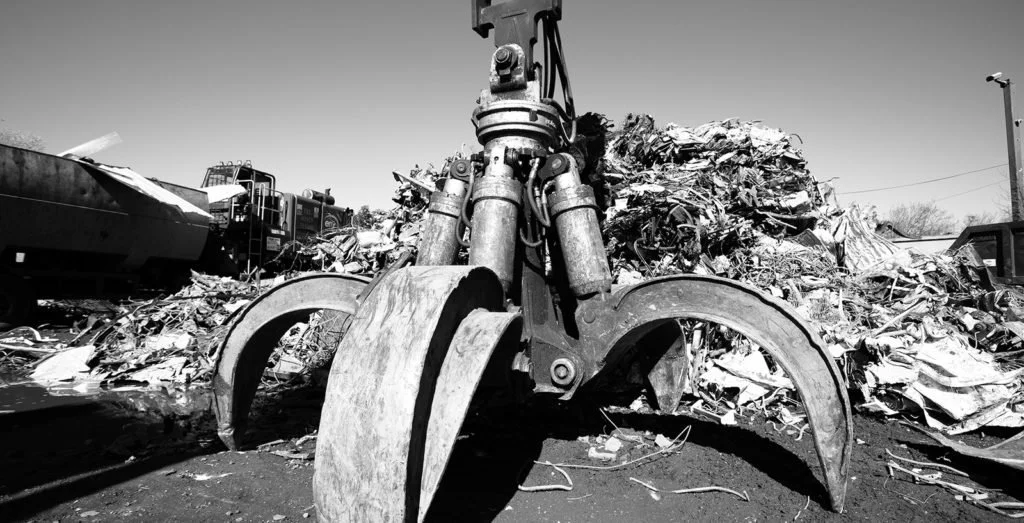
A first thought is the inspiration for the work (often scribbled in a note book by the side of my bed) and then I start to manipulate the clay until I reach the desired form. This thought is inspired by things I have read, seen or heard or even pieces of discarded metal I have found in a local scrap yard. I find that these reclaimed materials arouse my imagination and I then build the work around them. I believe that the old metal objects, often rusty, add a meaning and character to the pieces that clay alone could not do. The truth I find comes from the sculpture that eventually emerges from my initial idea and not from the materials themselves. The image is of Calderbank Metals, Wigan, Lancashire.
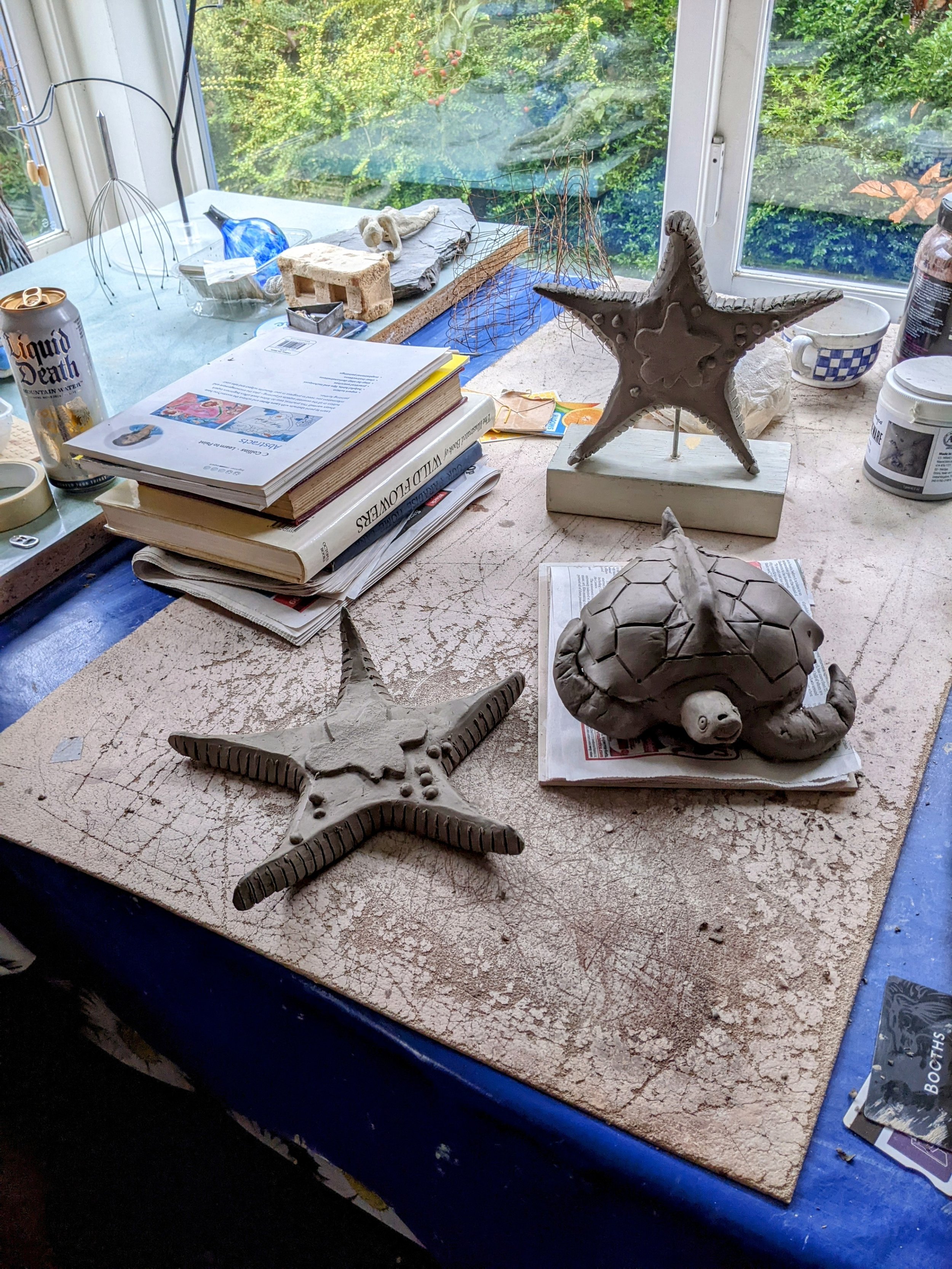
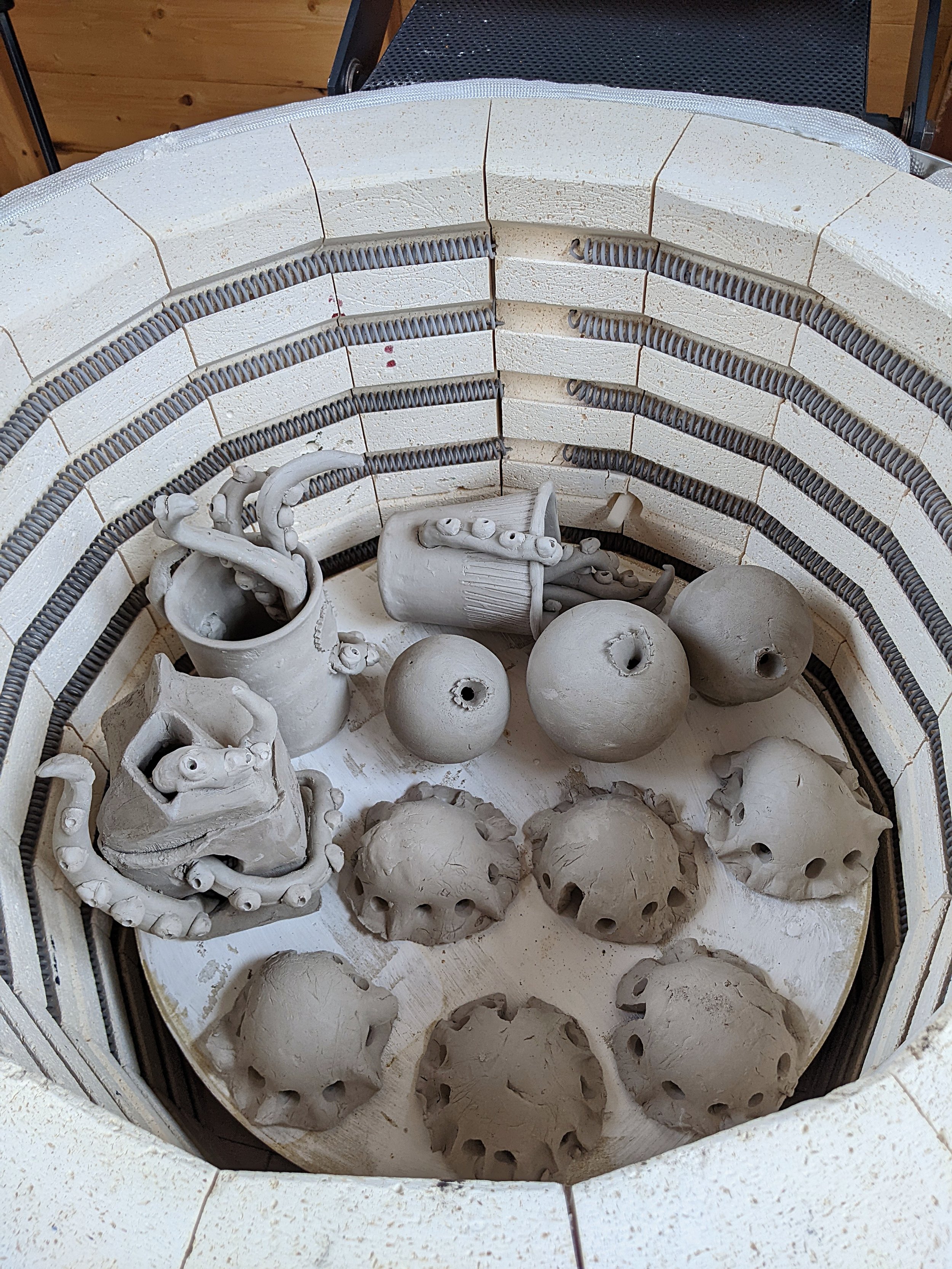
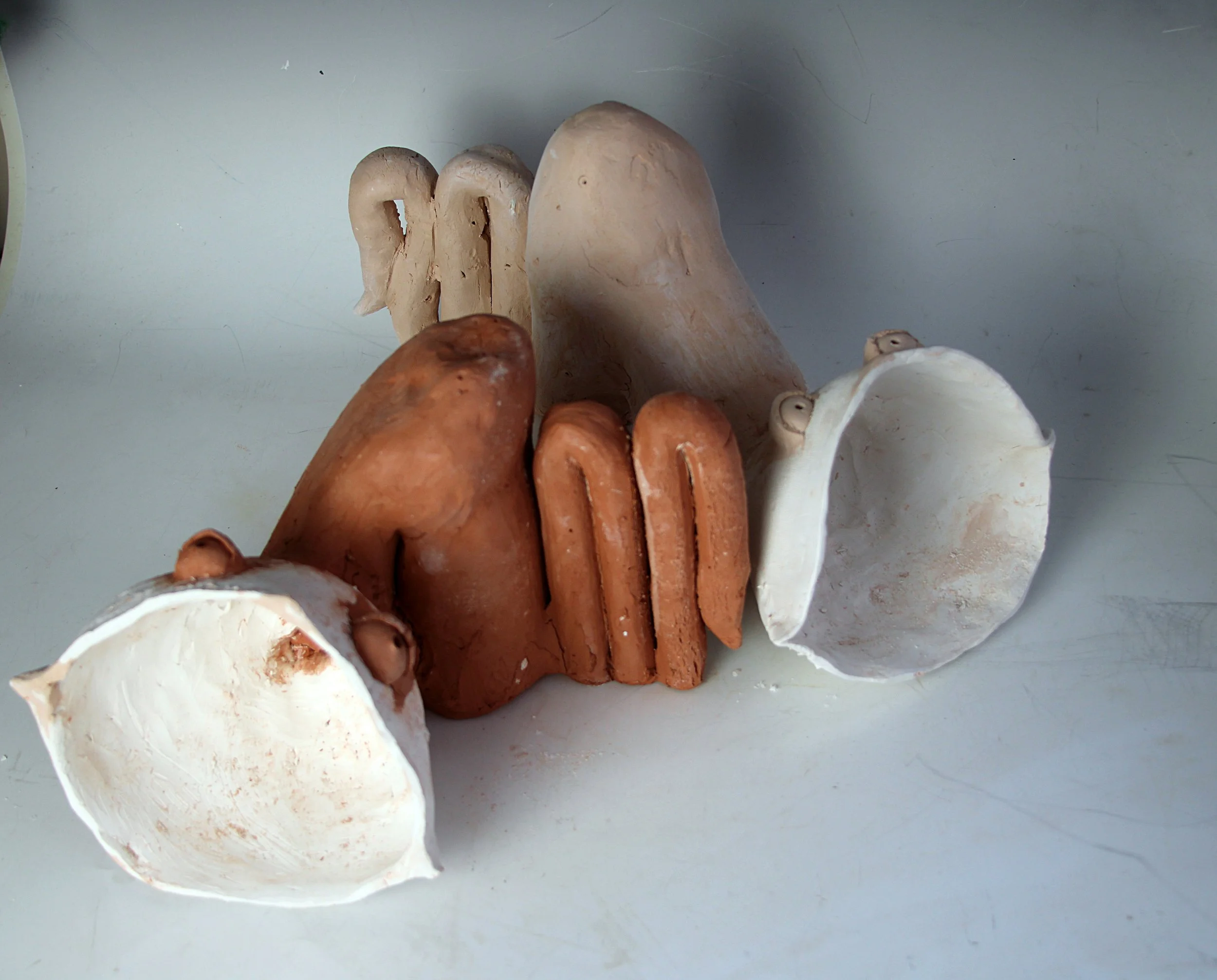
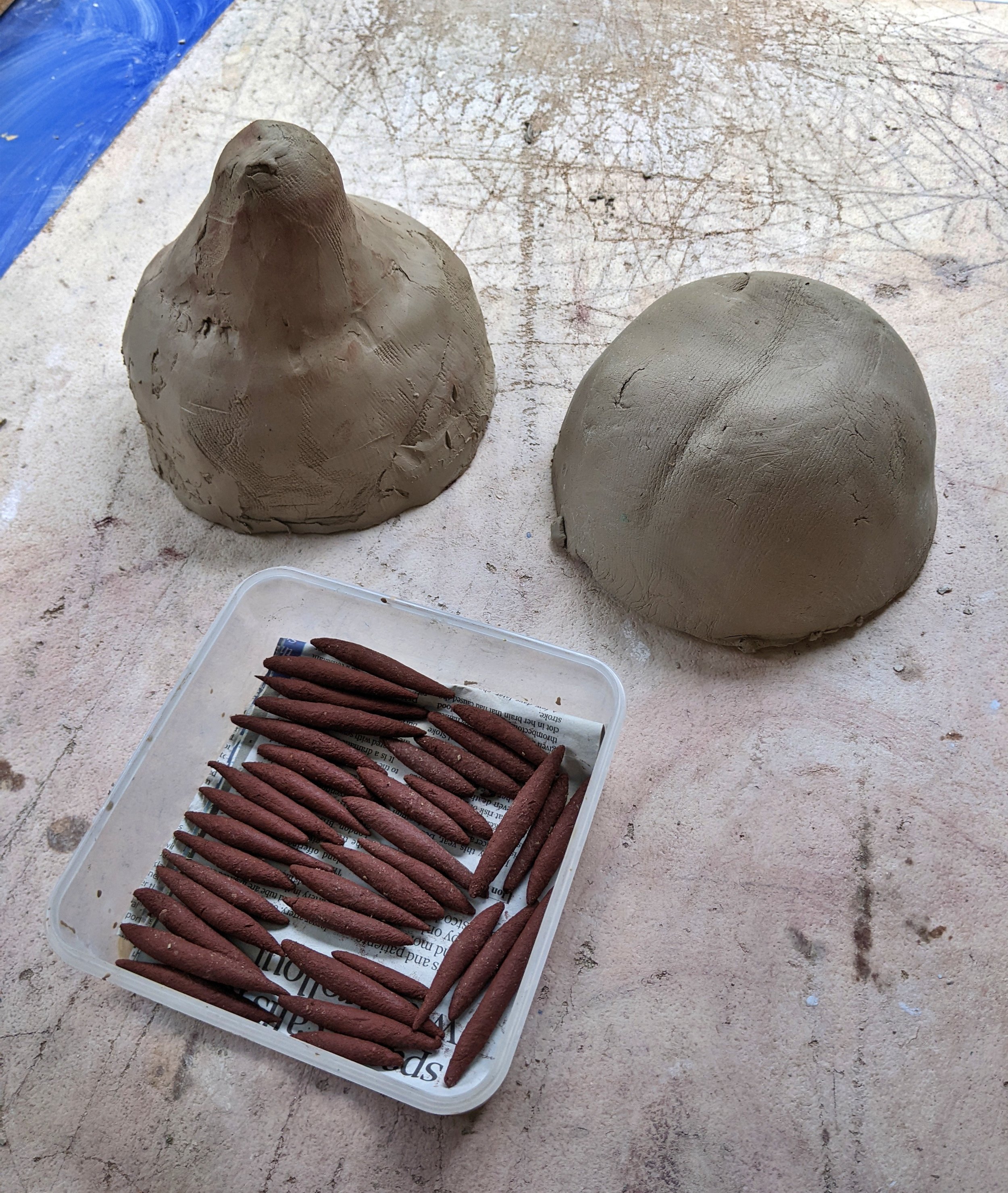
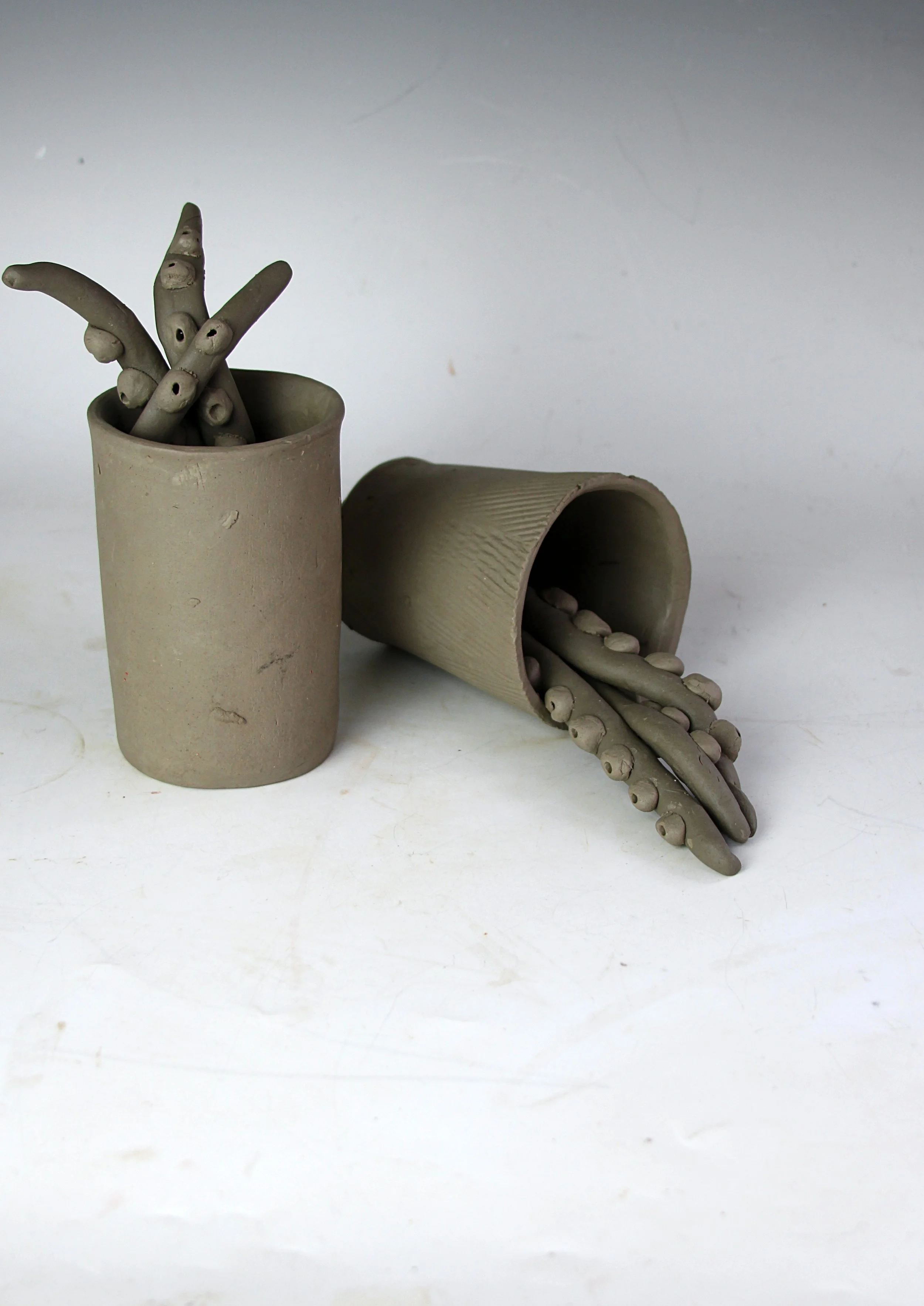
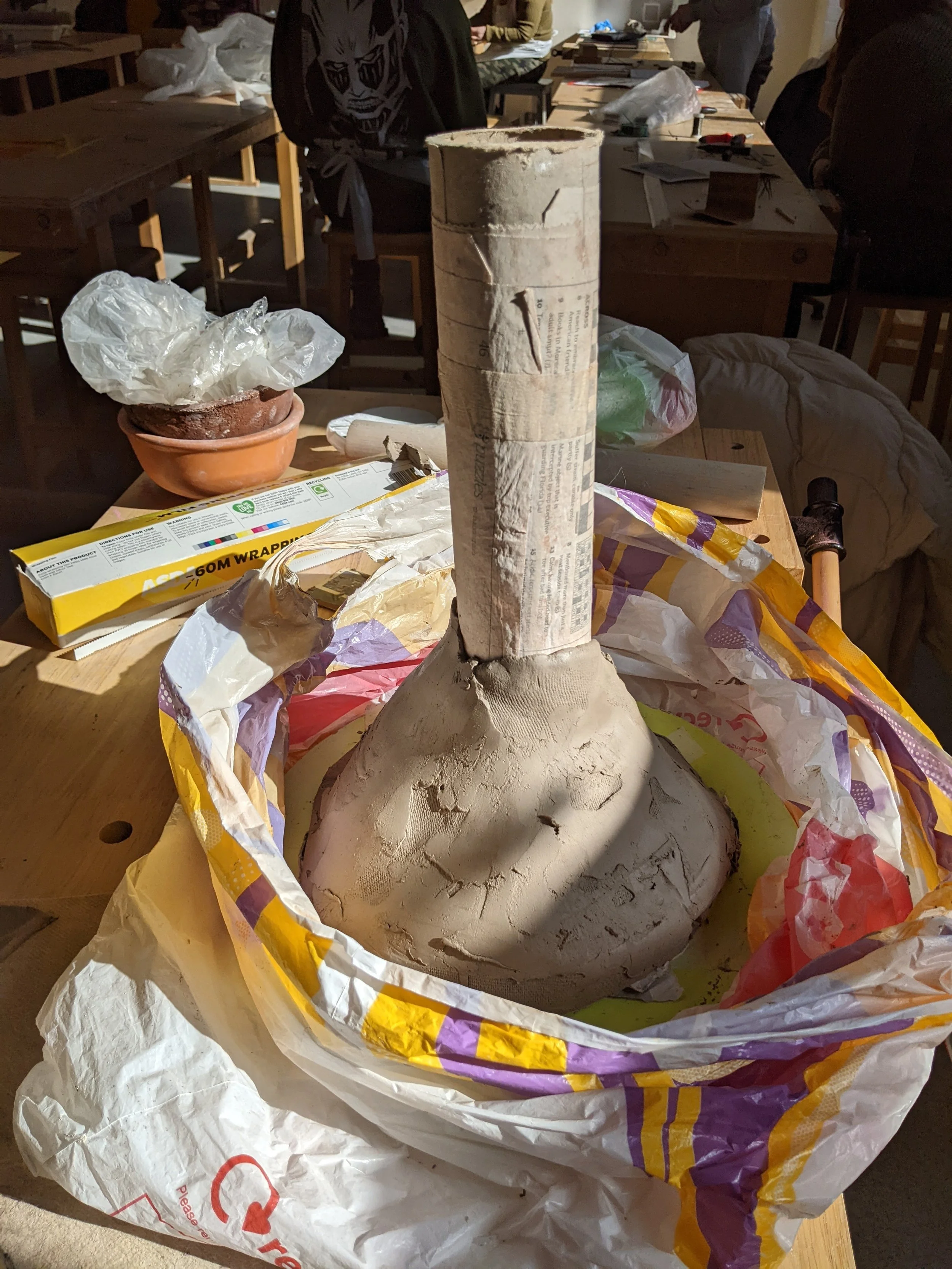
I always hand build, starting off by wrapping thin sheets of clay around formers made from cardboard tubes and plastic pots. Once the clay is leather hard, and this basic shape has formed, I attach different pieces as needed to create the forms and often decorate the sculptures with these found metal objects.
Q. Your artist statement connects the Blackpool shoreline directly to this work. How important is place and personal witness to your practice?
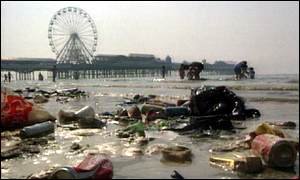
Black Pool Beach Pollution
I took my inspiration for Shed Salty Tears from the Blackpool shoreline and the news about the amount of rubbish that was being deposited on the golden sands by holiday makers every summer, and felt, as I was then resident ceramic artist in Blackpool School of Arts, I was exactly in the right place to complete this important artwork.
Shed Salty Tearsis a triptych with each section having its own emphasis. At the centre is a woman with an elongated neck looking above the waves; the voice of the planet calling us to notice the state of an environment degraded by industrialisation and a wasteful use of resources, not just on Blackpool beach.
Q. How do you approach the science behind coral bleaching and habitat loss as an artist?
Warming ocean temperatures lead to coral bleaching - the sudden die-off of large parts of coral reefs – and cause sea creatures to seek cooler waters by shifting their habitats to seas in the north. This has a huge impact on the human communities that rely on those fish for food.
As an artist I approach this visually. The installation sits on curved blue fabric representing the sea; each of these central sculptures are surrounded by approximately thirty white and blue shells, corals and other sea life in different pale colours to suggest the bleaching of the ocean. In sharp contrast ceramic sculptures of crushed cans, rusty metal forms and discarded plastic cluster around the central sculptures, suggesting how waste persists in our ecosystems. The discarded manufactured objects floating in this seascape surround the ocean life dominating their space. Corals fade from dark green to orange appear as if their colour has been bleached by the effects of pollution.
Q. What do you hope someone takes away after encountering your piece?
Shed Salty Tears calls the viewer to take notice of what is happening to the ocean. The message is sent through visual representation not discussion. My hope is that by viewing these works people are shocked to notice what is happening all around us.
Shedding Salty Tears: Part One shows a female bust with an elongated neck looking above the waves and expressing a sadness directed as the voice of the planet, sorrowful at the state of environmental degradation which humanity’s industrialisation and wasteful tendencies have created. Maybe this is also the voice of the artist. The large central phone in Broadcast News: Part Two suggests that if you listen to a shell you can hear the sound of the sea, but instead, this ceramic shell telephone is broadcasting news about the perilous state of our oceans. Jellyfish Escapes: Part Three showsterrified ceramic creatures escaping from a metal cage. These creatures, as other creatures in the installation are part real and part morphed into the rubbish we deposit into the sea.
Q. If you could be any ocean creature, what would you be and why?
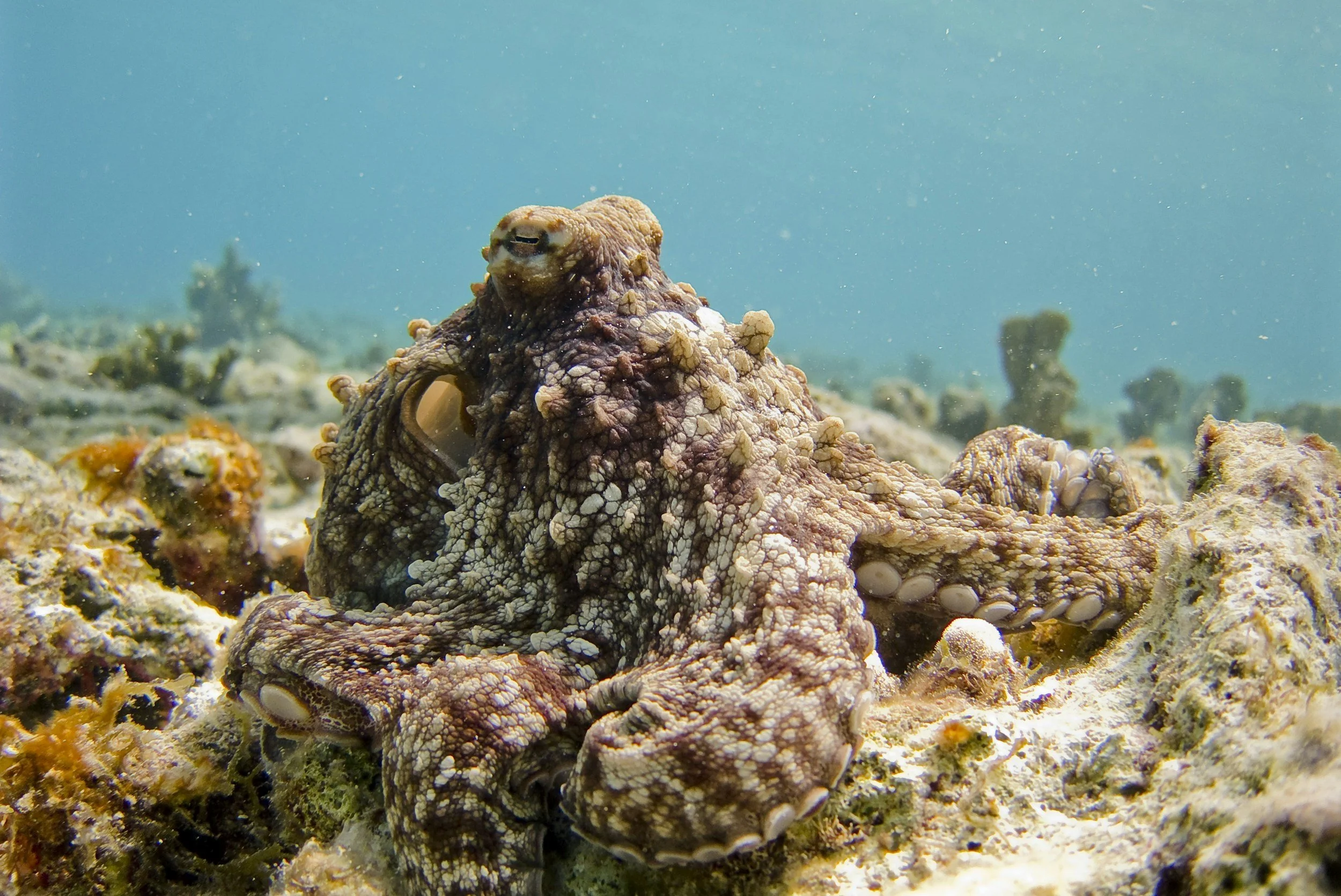
With my liking for different methods and different object I think I might be an Octopus. I have boxes of interesting objects in my studio, rusty metal and plastic and I hatch my ideas in this environment. I like experimenting with different disciplines, mixing sculpture, sound and digital art. I am not afraid of changing colours or textures or shapes to solve a problem.