
Best Ocean Documentaries, Books & Podcasts (Updated List)
The ocean has always fascinated me, its beauty, mystery, and the way it connects us all. At Moku Art Studio, we're constantly exploring resources that deepen our understanding of marine life, ocean conservation, and the world beneath the surface. Whether you're an artist, ocean advocate, or simply curious about the sea, this regularly updated list of ocean documentaries, books, podcasts, and games is a great place to start.
Films and series
These ocean documentaries and series are a great starting point for understanding marine life, deep-sea exploration, and ocean conservation.

This is a Netflix documentary film where the filmmaker, Craig Foster, makes an unusual friendship with an octopus. It is beautifully narrated and filmed. When I started watching, I had no preconceptions of what to expect, so every turn was a surprise for me. It was an emotional ending and I was not expecting to feel all the feels.

Last Breath is a documentary film that tells the story of how a commercial diver, Chris Lemons, becomes trapped on the ocean floor with limited oxygen and little hope of being rescued. This film was suspenseful and gives you a window of how little we are when compared to the massiveness of the ocean.

Explorer Victor Vescovo and his team embark on a mission to dive to de deepest points of the five oceans. I was really looking forward to the series since the hosts of the podcast I like (Dr. Alan Jamieson and Dr. Thomas Linley) participated in the expedition. I really wanted to see some cool creatures, but it was more focused on the technical aspects of the dive and on Victor Vescovo. However, it was interesting to see the technological needs for a deep-sea dive.
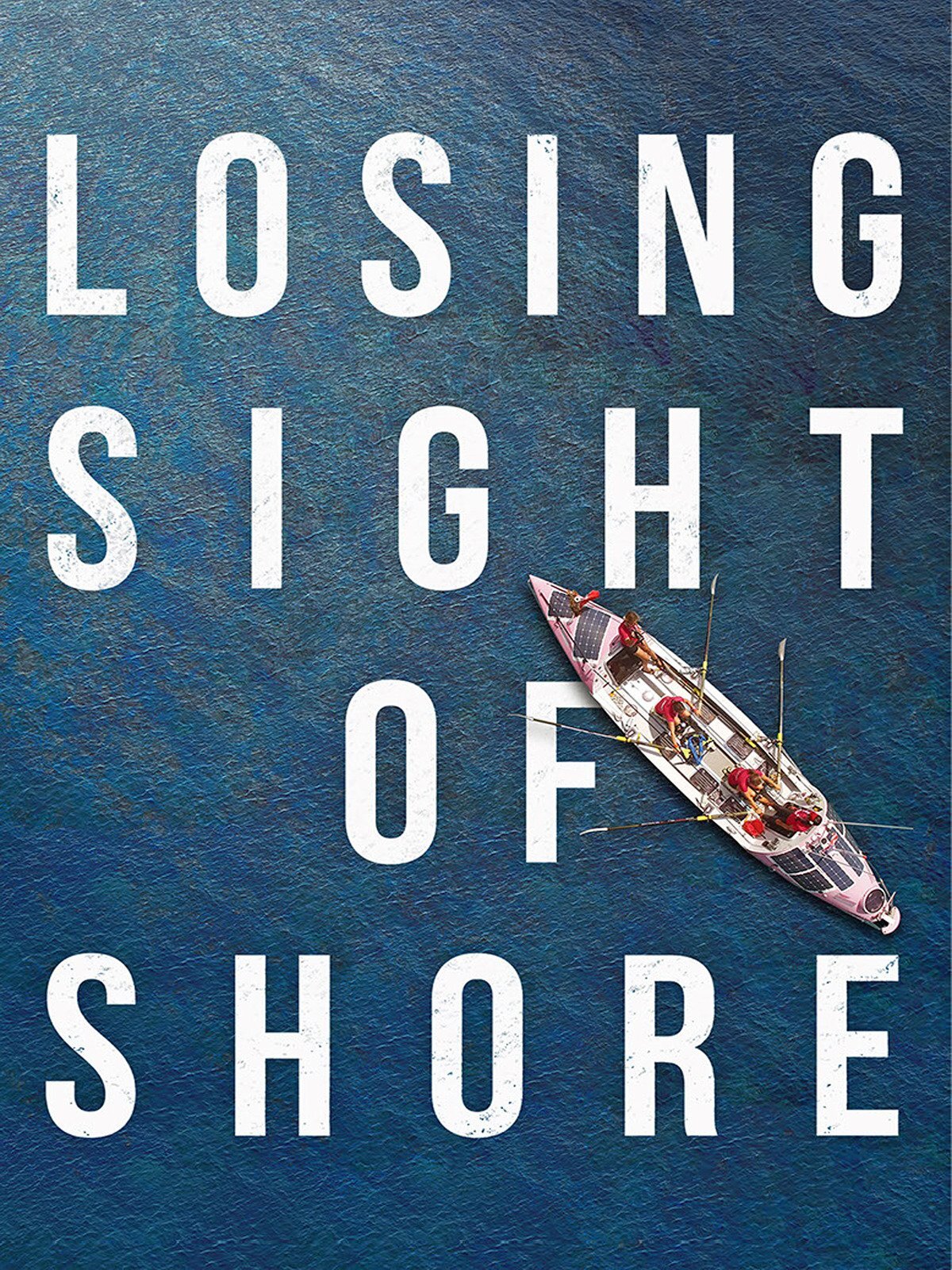
This documentary film follows a groups of 4 women that set out to row the Pacific ocean from San Francisco to Australia. This is a passionate story of having the perseverance to follow your dreams.
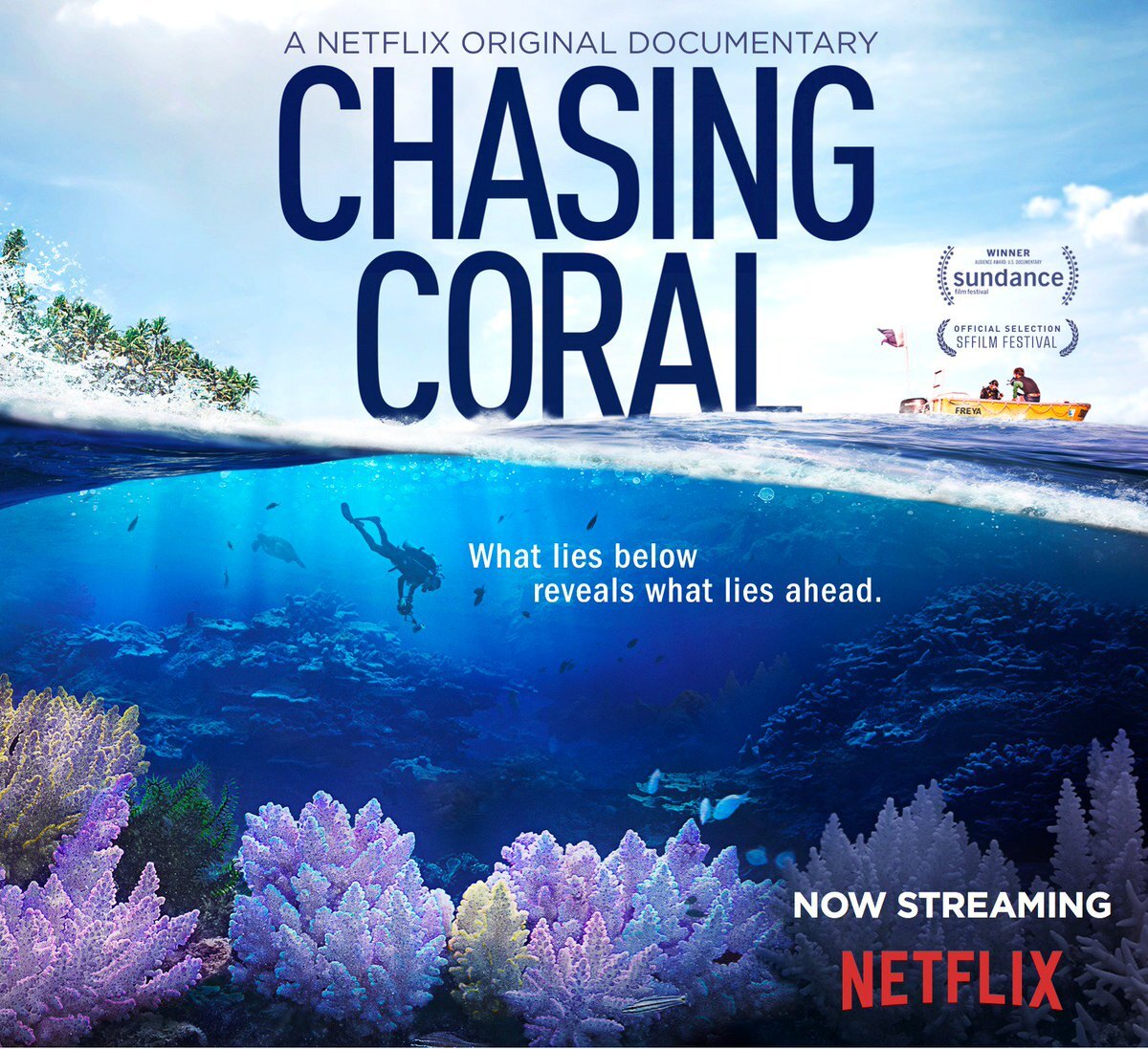
This documentary shows us how and why coral reefs are dying all around the world and it is an emotional journey. If you ever wondered about corals as animals, this documentary really explains how the organisms exist and why we should protect them.

“A team of brave underwater explorers known as the Octonauts combs the world's oceans for aquatic creatures in desperate need of assistance.” This is a really cute cartoon and we meet lots of marine life.
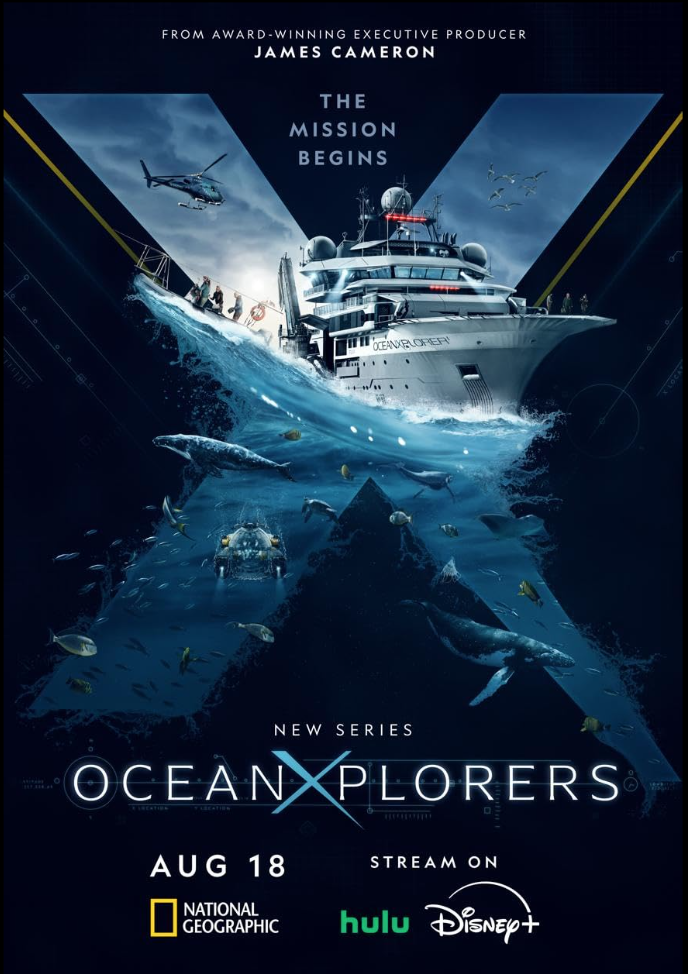
From National Geographic Explorer at Large James Cameron (“Avatar”), BBC Studios Natural History Unit (“Blue Planet II”) and OceanX comes the most ambitious ocean adventure ever filmed – OCEANXPLORERS. The National Geographic series takes audiences aboard the OceanXplorer, OceanX’s state-of-the-art scientific research and exploration vessel, to investigate the farthest frontiers of the world’s oceans, 80% of which are entirely unknown.
“A Life Illuminated follows pioneering marine biologist Dr. Edith Widder’s lifelong quest to use the language of light to communicate with the most mysterious creatures in the deep sea. Now, she heads off on her greatest journey yet into the deepest depths of our ocean world to understand our biggest questions about bioluminescence and what it can tell us about the future of life on Earth. “

OCEAN WITH DAVID ATTENBOROUGH takes viewers on a breathtaking journey showing there is nowhere more vital for our survival, more full of life, wonder, or surprise, than the ocean.
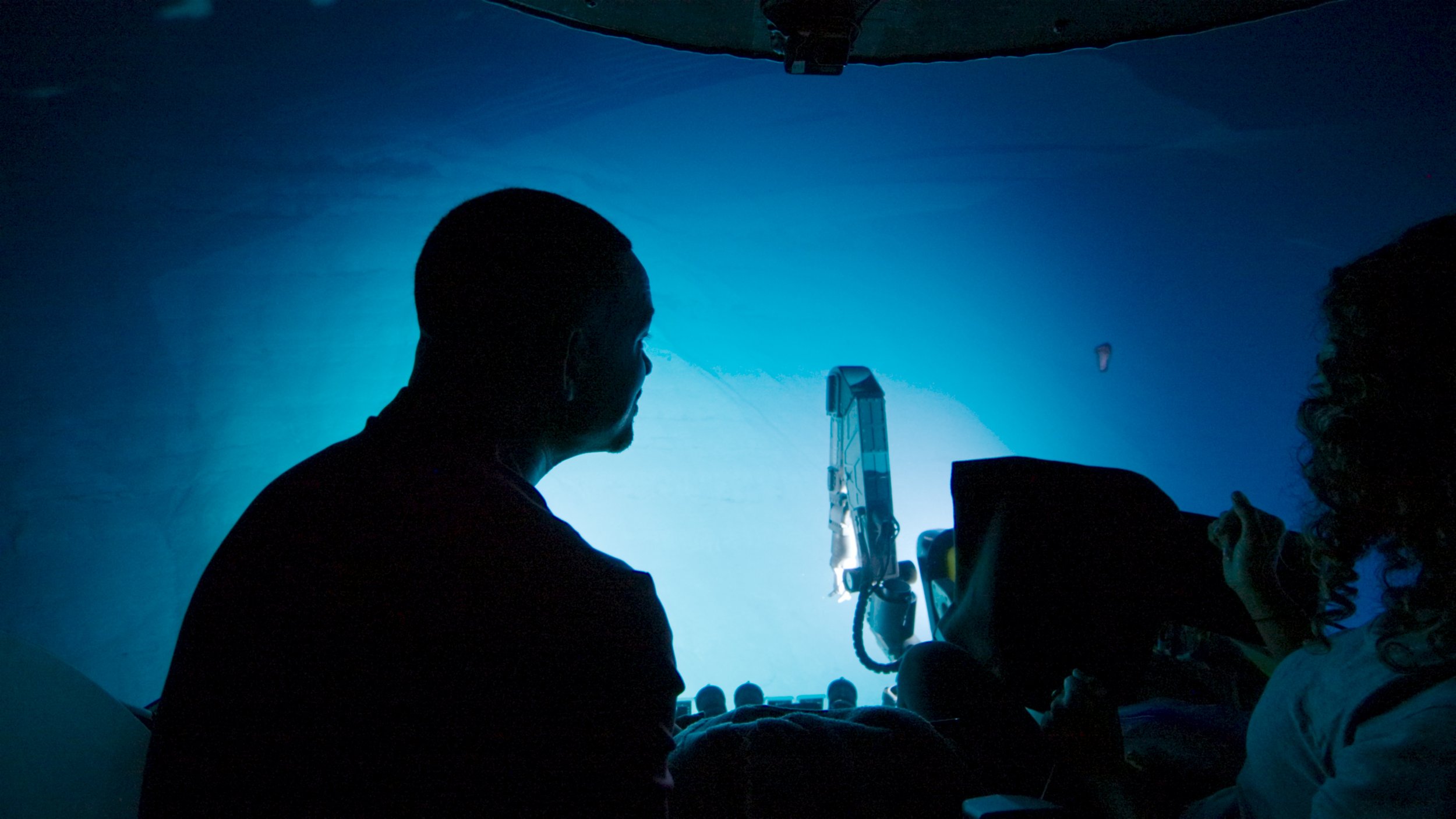
Welcome to Earth - “Descent into Darkness”
“Will Smith descends 3,300 feet to the bottom of the ocean, where even fewer people have gone than outer space. Along the way down, Will and explorer Diva Amon investigate how color is used in the natural world. He discovers some animals creating their own vibrant, mind-bending light displays in pitch-black darkness.”
The episode is short, so don’t expect a lot of in-depth analysis but it is still great.
Minuto Azul Escuro is a mini-series that aims to raise awareness about ocean preservation and promote a responsible relationship with marine resources by presenting scientific knowledge in an accessible and engaging manner.
The deep sea, one of the planet’s least explored and most mysterious ecosystems, takes center stage in Minuto Azul Escuro, an innovative mini-series designed to enhance public understanding and awareness of this vital environment, by comprising 30 short episodes, each approximately one minute long.
Podcasts
These ocean podcasts cover everything from deep-sea science and shark conservation to marine biology and ocean storytelling — perfect for artists and ocean advocates alike.

The Deep-Sea podcast, according to the hosts is “A punk take on a science podcast.” Dr. Alan Jamieson and Dr. Thomas Linley talk everything about the deep-sea! It is an hour long podcast but it is well worth it. Each episode is released monthly and it is incredibly funny. I laugh and learn as I listen. They talk about facts, recent news, myth-busting, stories and have interviews. Also, make sure to listen to the very very end for a little fun.

The Catch Our Drift podcast is hosted by Dr. Helen Scales and Oliver Steeds. The podcast uses
storytelling to promote ocean conservation. “It’s entertaining and inspiring and appealing to a wide range of listeners.” The episode that really got me was #4 Art, but they tackle all type of subjects like space, literature, music, sport, sharks, etc.

The Sound Aquatic podcast is hosted by Elin Kelsey and presented by Hakai Magazine (which explores the environment, science and society from a coastal perspective). The podcast only has 5 episodes but it looks at the soundscapes scientists are recording and “
the surprising ways that animals talk and listen.”

Dr. David Ebert and Andrew Lewin interview shark scientists and conservationists to find out the steps they took that lead them to study and work with sharks. Interviews include stories of field shenanigans; career choices and advice; and, the science of sharks that may or may not include great white sharks...mostly not.

Whatever it is, the way you tell your story online can make all the Welcome to the Seacreatures Podcast, a show all about the amazing animals that live beneath the waves. On each episode we chat abput a specific seacreature with a guest who has spent time and interacted with this ocean animal. Our guests range from marine biologists to divers to underwater photographers, citizen scientists, and people that have an intense passion for marine life.

The Ocean Explained Podcast offers an immersive way to explore the ocean's wonders.
Each episode dives deeply into a unique topic related to marine life, conservation, and oceanography. Featuring a panel of marine biologists, divers, explorers, paleobiologists, and conservation experts, the podcast shares extensive knowledge, captivating stories, and valuable insights. From the secrets of the deep sea to the vital importance of coral reefs, every aspect of the ocean is covered.

"Gills Talk" is a podcast that will introduce you to women working in shark and ocean science. With the motto “Smart About Sharks,” the Gills Club fosters positive attitudes towards sharks and jump-start youths’ interest in STEM subjects, boosting their chances of entering careers in science.

A podcast for and about women involved in the oceans in some way, ocean sciences, ocean lifestyle, all of it! If you're a fan of the oceans, listen in every week for something new about the ocean life!
Check out our Website at waterwomenpodcast.ca or our socials @ WaterWomenPodcast

REEF Roundup: 🪸Coral Reefs🐠 and 🐙Marine Conservation🦈
Join us and meet some of the many amazing people who are doing exciting work to save the ocean for future generations, with a focus on restoration, ecology, and the environment. A production of REEF Scuba - reef-scuba.org.

Welcome to Think Deep! - Decoding deep-ocean science and policy, a new podcast series from the Deep-Ocean Stewardship Initiative (DOSI).
Letʻs talk about some things I wish I knew earlier.
🌊 Learn More about FutureSwell by following us on:
🎧 Sustainability & The Sea Podcast
🌍 Website - futureswell.org
✍️ Subscribe to our monthly newsletter - The Ripple
🐙 Tiktok @futureswell
🐠 Instagram @futureswell
This is a production of FutureSwell, a conservation media company aimed to educate, empower, and activate the next generation of marine conservationists. Our primary goal at FutureSwell is to connect people with the beauty and power of the ocean.
Dive into the Depths: Join Andrew Lewin on 'How to Protect the Ocean' – Your Gateway to Exclusive Ocean Insights! Explore the latest, uncharted realms of ocean science and conservation that you won't find anywhere else. Andrew takes you on an inspiring journey to uncover the hidden gems of oceanic discovery and initiatives. Tune in to discover how you can transform your life for a better ocean, one episode at a time.
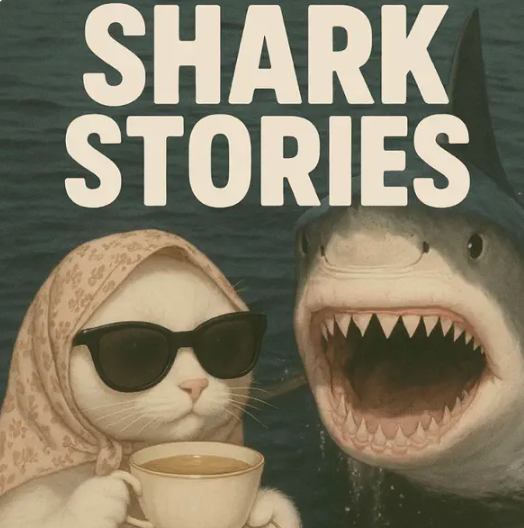
Welcome to Shark Stories, the podcast that dives beneath the surface of one of the ocean’s most misunderstood creatures. Hosted by award-winning shark conservationist and filmmaker Madison Stewart, this show transforms her years of underwater exploration, frontline conservation, and encounters with both sharks and shark fishermen into captivating, eye-opening stories. Whether you're shark-obsessed or simply shark-curious, dive deep into an interview with the world's most famous shark hunter, hear from a navy diver turned cyborg after a shark attack learn about Shark attack First Aid or policy battles and conservation wins.
Oceanography is a weekly podcast that explores the ocean’s most urgent stories—from marine biology and conservation to climate science and global policy. Hosted by science communicator Clark Marchese and produced by Pine Forest Media, each episode dives into the challenges and discoveries shaping our relationship with the sea.
Dive deep into the world of ocean science with Steve Taylor (known from Kurzgesagt) and Leo Richards (of NaturalWorldFacts). Launched May 2025. Relaxing and immersive documentaries for those who want to learn about our oceans in scientific detail.
A podcast that explores our blue planet’s breathtaking beauty, extraordinary creatures and the dangers that threaten them.
Books
These ocean books range from gripping deep-sea memoirs to scientific explorations of marine life, conservation, and our relationship with the sea.

The Wave by Susan Casey is an incredible read. It reads like a novel, it is highly researched and entertaining. I would recommend listening as an audiobook because the storytelling is superb. She has also written other books: Voices in the Ocean and Devil’s Teeth

This book may not be about the ocean itself, but it gives you a great sense of how all our bodies of water are connected. Jill Heinerth takes you through her journey of being one of the first few female cave divers and the challenges she encountered.

I devoured this book! Dr. Helen Scales writes in a compelling manner and this books reads like a novel.
The book is divided into 4 main parts and takes us on a journey to explore the deep, explain why the deep matters, how the deep is being exploited and how we can protect it. If you are not sure where to start learning about the deep-sea, its biodiversity and the important issues, start with this book.

I cannot tell you the number of times I had to put this book down and let my brain soak in what it had just learned. I had to stop and read aloud passages to others because I just had to share the incredible things! This is a book about the deep-sea but also a memoir. If you want to get inspired by a woman in science who went against career and personal challenges to kick ass, this book is it!

“Sy Montgomery explores the emotional and physical world of the octopus—a surprisingly complex, intelligent, and spirited creature—and the remarkable connections it makes with humans.”
I listened to this as an audiobook and it was a really good contrast to “My Octopus Teacher" which is about an octopus out in the wild while this focuses on octopus in an aquarium.

“A beautifully presented, practical gift guide for all surf seekers. Explained with fascinating, easy-to-understand commentary from surfer and scientist Easkey Britton, this guide helps you soak up maximum vitamin sea.
The book is divided into six main sections – each filled with exercises, ideas and fun facts to help you reconnect with your oceanic roots and create special moments by the sea… “

“Near the island of Black Conch, a fisherman sings to himself while waiting for a catch. But David attracts a sea-dweller that he never expected - Aycayia, an innocent young woman cursed by jealous wives to live as a mermaid.
When American tourists capture Aycayia, David rescues her and vows to win her trust. Slowly, painfully, she transforms into a woman again. Yet as their love grows, they discover that the world around them is changing - and they cannot escape the curse for ever . . .”

“From a marine scientist and writer, Lorac is the story of a young man making his way in the sea and in the readers’ hearts to protect our planet.
When you meet him you’ll think he’s just a boy who lives on a boat. But if you go a little deeper you will discover that Lorac is the boy adopted by the ocean—its voice and unwilling hero.”

“A scientific team has boarded the submarine Oceanos to explore the ocean’s depths. Suddenly, it gets caught in a violent storm, causing it to drift thousands of miles off-course. From the glittering surface of the sea to the darkness of the abyss, Deep in the Ocean takes readers on a bewitching journey through fascinating waters—some warm, colorful, and crowded with sea creatures, others mysterious and turbulent”

“From luminous squid to invisible plankton, from sandy shorelines to the bone-crushing pressure of the deep, marine conservationist Tom 'The Blowfish' Hird takes us on an incredible journey revealing what lurks beneath the waves.”

“Peter Godfrey-Smith, a distinguished philosopher of science and a skilled scuba diver, tells a bold new story of how subjective experience crept into being—how nature became aware of itself. As Godfrey-Smith stresses, it is a story that largely occurs in the ocean, where animals first appeared.”

“More often feared than revered, their role as predators of the deep have earned them a reputation as a major threat to humans. But the truth is that sharks are not a danger to us—they're in danger from us. Dr. David Shiffman explains why it's crucial that we overcome our misconceptions and rise above cinematic jump scares to embrace sharks as the imperiled and elegant ocean guardians they really are.”

“Cephalopods, Earth’s first truly substantial animals, are still among us: Their fascinating family tree features squid, octopuses, nautiluses, and more. The inventors of swimming, cephs presided over the sea for millions of years. Marine biologist Danna Staaf unspools how these otherworldly creatures once ruled the deep—and why they still captivate us today.”

“Best known for finding the wreck of the Titanic, celebrated adventurer Robert Ballard has a lifetime of stories about exploring the ocean depths…Here is the definitive story of the danger and discovery, conflict and triumph that make up his remarkable life.”

“Since Jaws scared a nation of moviegoers out of the water three decades ago, great white sharks have attained a mythic status as the most frightening and mysterious monsters to still live among us. Each fall, just twenty-seven miles off the San Francisco coast, in the waters surrounding a desolate rocky island chain, the world’s largest congregation of these fearsome predators gathers to feed.”

“A vivid tour of the Earth's last frontier, a remote and mysterious realm that nonetheless lies close to the heart of even the most land-locked reader."

“Before Marie Tharp's groundbreaking work in the 1950s, the ocean floor was a mystery—then, as now, we knew less about the bottom of the sea than we did about outer space. In a time when women were held back by the casually sexist atmosphere of mid-twentieth-century academia—a time when trained geologists and scientists like Tharp were routinely relegated to the role of secretary or assistant—Tharp's work would completely change the world's understanding of our planet's evolution.”

“Why are we drawn to the ocean each summer? Why does being near water set our minds and bodies at ease? In Blue Mind, Wallace J. Nichols revolutionizes how we think about these questions, revealing the remarkable truth about the benefits of being in, on, under, or simply near water.”

“One of the great scientific and archaeological feats of our time has been finally to cast light on the “eternal darkness” of the deep sea. This is the story of that achievement, told by the man who has done more than any other to make it possible: Robert Ballard.”
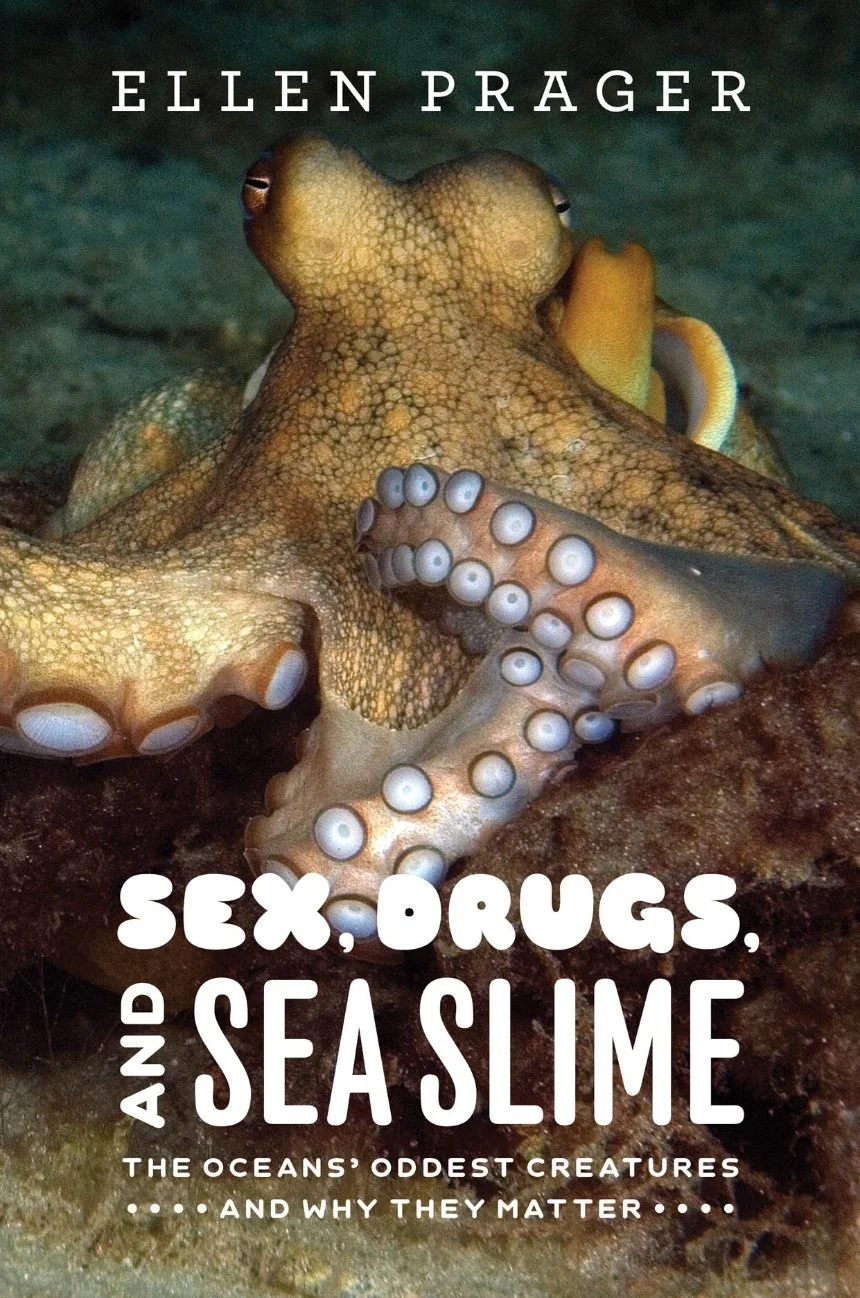
“Marine scientist Ellen Prager takes us deep into the sea to introduce an astonishing cast of fascinating and bizarre creatures that make the salty depths their home…Written with a diver’s love of the ocean, a novelist’s skill at storytelling, and a scientist’s deep knowledge, Sex, Drugs, and Sea Slime enchants as it educates, enthralling us with the wealth of life in the sea—and reminding us of the need to protect it.”

“Consider the humble lobster: an unsightly creature from the sea that tastes awfully good with melted butter. But it turns out that this aesthetically-challenged crustacean is so much more—a charming lover, a belligerent fighter, and a snoopy socializer with a nose that lets it track prey and paramour alike with the skill of a bloodhound.”

“n Learning from the Octopus, ecologist and security expert Rafe Sagarin rethinks the seemingly intractable problem of security by drawing inspiration from a surprising source: nature. Biological organisms have been living — and thriving — on a risk-filled planet for billions of years. Remarkably, they have done it without planning, predicting, or trying to perfect their responses to complex threats. Rather, they simply adapt to solve the challenges they continually face.”
“Long regarded as an empty and inhospitable environment, the deep ocean is rapidly emerging as an ecological hot spot with a remarkable diversity of biological life. Yet, the worlds oceans are currently on a dangerous trajectory of decline, threatened by acidification, oil and gas drilling, overfishing, and, in the long term, deep-sea mining, bioprospecting, and geo-engineering.”

“Drawing on his background in oceanic exploration on Jacques Costeau's Calypso, and his success as a businessman, Fonteneau planned a Caribbean sailing adventure, which inspired suggestions for incorporating a bit of science on the side. Through friends and colleagues at the University of Miami, Fonteneau finds himself involved in one project to monitor the tectonics of a tiny, nearly submerged island called Aves, and another to "listen" to fish.”

“In 1820, the whaleship Essex was rammed and sunk by an angry sperm whale, leaving the desperate crew to drift for more than ninety days in three tiny boats. Nathaniel Philbrick uses little-known documents and vivid details about the Nantucket whaling tradition to reveal the chilling facts of this infamous maritime disaster.”

“A Silent Spring for our era, this eloquent, urgent, fascinating book reveals how just 50 years of swift and dangerous oceanic change threatens the very existence of life on Earth. Legendary marine scientist Sylvia Earle portrays a planet teetering on the brink of irreversible environmental crisis. In recent decades we’ve learned more about the ocean than in all previous human history combined. But, even as our knowledge has exploded, so too has our power to upset the delicate balance of this complex organism.

“The worst storm in history seen from the wheelhouse of a doomed fishing trawler; a mesmerisingly vivid account of a natural hell from a perspective that offers no escape.
The ‘perfect storm’ is a once-in-a-hundred-years combination: a high pressure system from the Great Lakes, running into storm winds over an Atlantic island – Sable Island – and colliding with a weather system from the Caribbean: Hurricane Grace.”

I loved this book! And highly recommend it wether you are a deep sea lover or not, I guarantee that after reading this book, you will become one too.
“For The Underworld she traversed the globe, joining scientists and explorers on dives to the deepest places on the planet, interviewing the marine geologists, marine biologists, and oceanographers who are searching for knowledge in this vast unseen realm.”

“Am I hopeful for the future of the ocean?
I decided to write the book to give myself a chance to think deeply about that question. Am I an optimist or a pessimist? It turns out, I’m a both.
The book draws on more than 20 years of exploring and studying the ocean, and witnessing the changing seas for myself, and two years of thinking about my hopes and fears for the future.”

“Two thirds of the world's oceans lie beyond national borders. Owned by all nations and no nation simultaneously, the high seas are home to some of the richest and most biodiverse environments on the planet. But they are also home to exploitation on a scale that few of us have imagined.
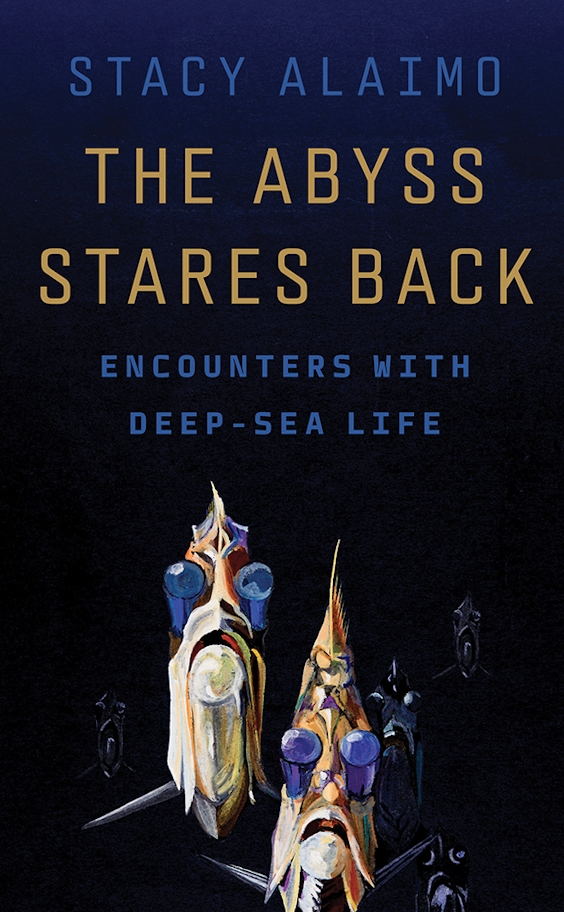
“The Abyss Stares Back analyzes a diverse range of scientific, literary, and artistic accounts of deep-sea exploration, including work from the naturalist William Beebe and the artist Else Bostelmann as well as results of the Census of Marine Life that began at the turn of the twenty-first century. As she focuses on oft-overlooked creatures of the deep, such as tubeworms, hatchetfish, siphonophores, and cephalopods, which are typically cast as “alien,” Alaimo shows how depictions of the deep seas have been enmeshed in long colonial histories and racist constructions of a threatening abyss.”
“In this thrilling work—a blend of history, science, nature writing, and environmentalism—acclaimed writer James Bradley plunges into the unknown to explore the deepest recesses of the natural world.
Seventy-one percent of the earth’s surface is ocean. These waters created, shaped, and continue to sustain not just human life, but all life on Planet Earth, and perhaps beyond it. They serve as the stage for our cultural history—driving human development from evolution through exploration, colonialism, and the modern era of global leisure and trade. They are also the harbingers of the future—much of life on Earth cannot survive if sea levels are too low or too high, temperatures too cold or too warm. Our oceans are vast spaces of immense wonder and beauty, and our relationship to them is innate and awe inspired.”
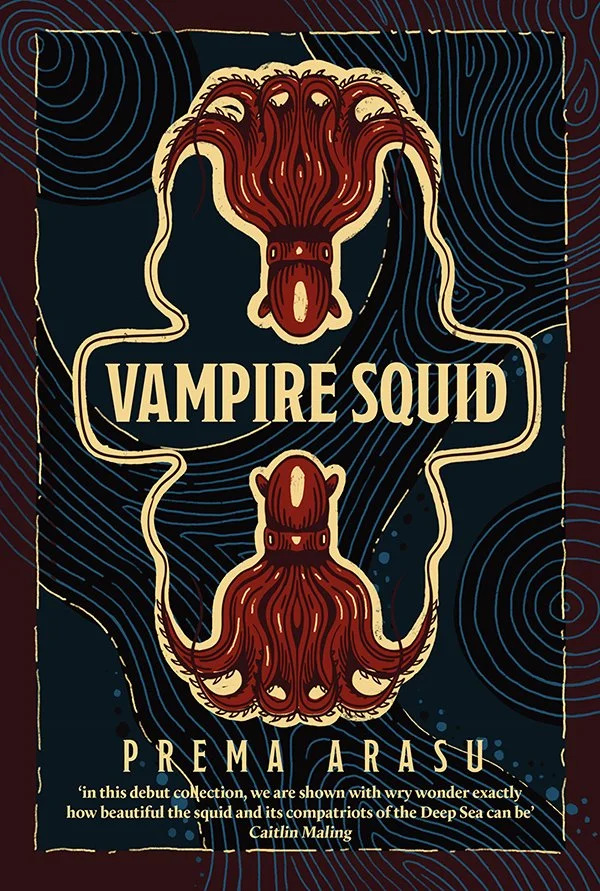
You are what you see. The deep sea – home of the uncanny vampire squid – is fathomless and mysterious, but so too are the scientists who observe the creatures of the deep.
Full of wry wit and ironic scrutiny, Vampire Squid examines the relationship between humans and the deep sea as the poet places their colleagues under the microscope to draw attention not only to the teeming life beneath the sea, but the distinctive ways that oceanographer, geoscientist, taxonomist, marine biologist and geneticist interpret the same world through very different eyes.
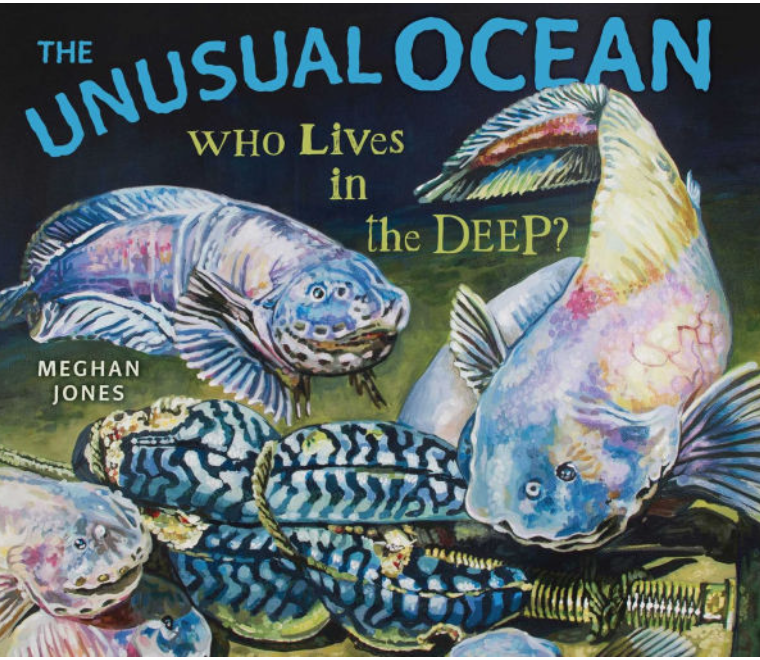
Between four and seven miles deep, the ocean—where pressure is one ton per square centimeter—evokes both mystery and misunderstanding; accessing these depths is challenging to human exploration. Our fear of this dark unknown often conjures images of monsters of the deep, especially in the minds of children. Based on current scientific observations and studies, this book demonstrates that reality can be more fascinating than the wildest imagination all while traveling from the shore to the deepest of ocean trenches. Along the way it introduces children to twenty of the most unusual creatures to inhabit the oceans, including bone-eating worms, supergiant amphipods with expanding stomachs, snails made of iron, worms that eat chemicals and even hagfish who can suffocate on their own slime.
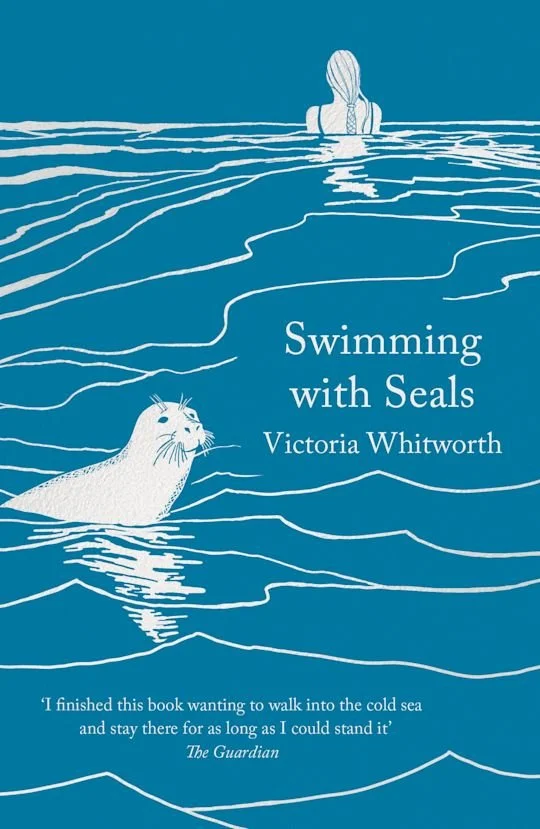
“This is a memoir of intense physical and personal experience, exploring how swimming with seals, gulls and orcas in the cold waters off Orkney provided Victoria Whitworth with an escape from a series of life crises and helped her to deal with intolerable loss.
It is also a treasure chest of history and myth, local folklore and archaeological clues, giving us tantalising glimpses of Pictish and Viking men and women, those people lost to history, whose long-hidden secrets are sometimes yielded up by the land and sea.”
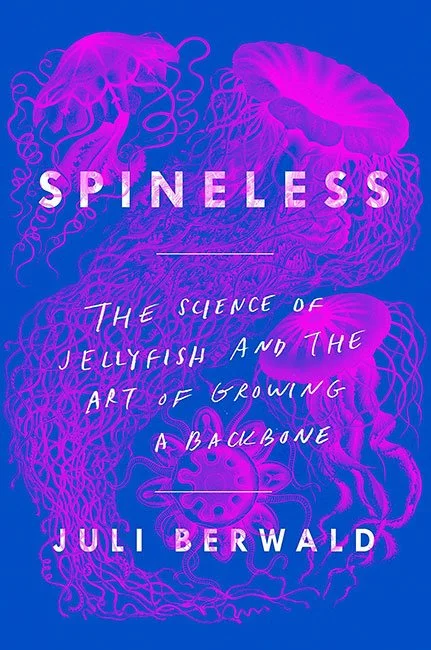
“Jellyfish have been swimming in our oceans for well over half a billion years, longer than any other animal that lives on the planet. They make a venom so toxic it can kill a human in three minutes. Their sting—microscopic spears that pierce with five million times the acceleration of gravity—is the fastest known motion in the animal kingdom. Made of roughly 95 percent water, some jellies are barely perceptible virtuosos of disguise, while others glow with a luminescence that has revolutionized biotechnology. Yet until recently, jellyfish were largely ignored by science, and they remain among the most poorly understood of ocean dwellers.
More than a decade ago, Juli Berwald left a career in ocean science to raise a family in landlocked Austin, Texas, but jellyfish drew her back to the sea. Recent, massive blooms of billions of jellyfish have clogged power plants, decimated fisheries, and caused millions of dollars of damage. Driven by questions about how overfishing, coastal development, and climate change were contributing to a jellyfish population explosion, Juli embarked on a scientific odyssey. She traveled the globe to meet the biologists who devote their careers to jellies, hitched rides on Japanese fishing boats to see giant jellyfish in the wild, raised jellyfish in her dining room, and throughout it all marveled at the complexity of these alluring and ominous biological wonders.”
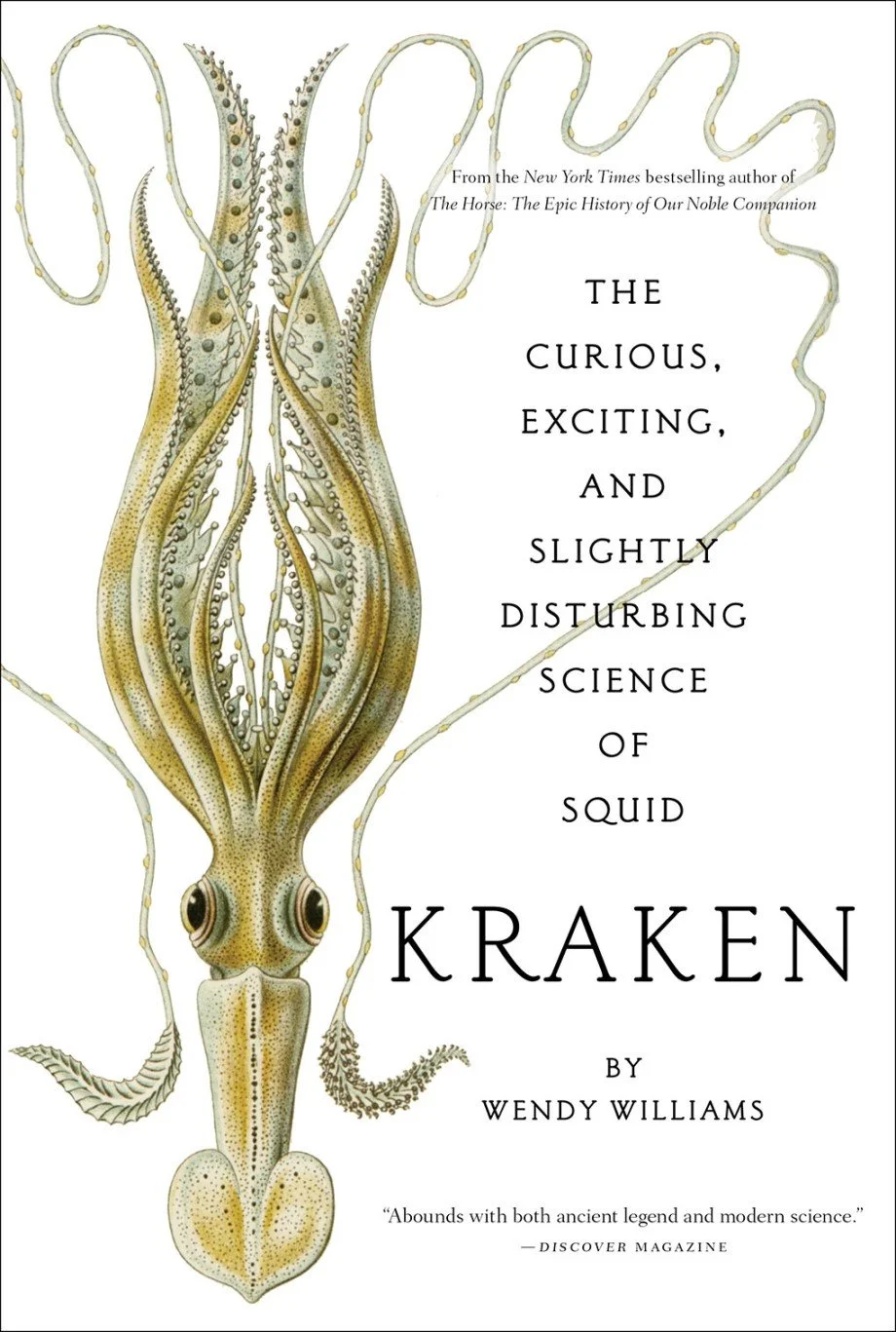
“The ocean is the last remaining source of profound mystery and discovery on Earth with 80 percent of it still largely unexplored; thus, it is of perennial fascination. In Kraken: The Curious, Exciting, and Slightly Disturbing Science of Squid, journalist Wendy Williams introduces one of the ocean’s most charismatic, monstrous, enigmatic, and curious inhabitants: the squid. More than just calamari, squid species are fascinatingly odd creatures, with much to teach us about our own species, not to mention the obsessive interest so many of us can’t help but have for the enormous beast that is the giant squid, which is quick to attack sperm whales, and even submarines and boats.”
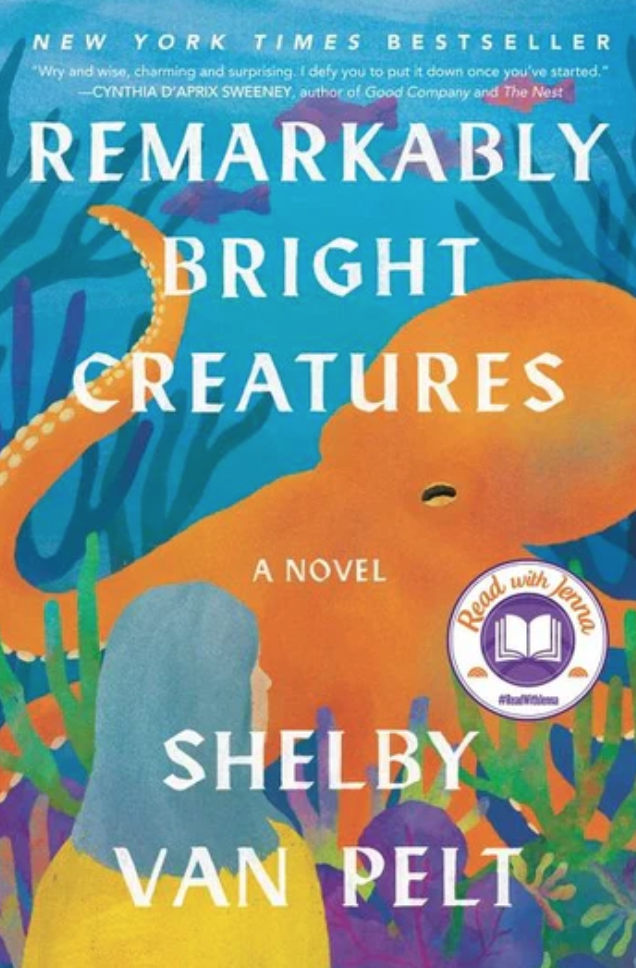
“After Tova Sullivan’s husband died, she began working the night shift at the Sowell Bay Aquarium, mopping floors and tidying up. Keeping busy has always helped her cope, which she’s been doing since her eighteen-year-old son, Erik, mysteriously vanished on a boat in Puget Sound over thirty years ago.
Tova becomes acquainted with curmudgeonly Marcellus, a giant Pacific octopus living at the aquarium. Marcellus knows more than anyone can imagine but wouldn’t dream of lifting one of his eight arms for his human captors—until he forms a remarkable friendship with Tova.”
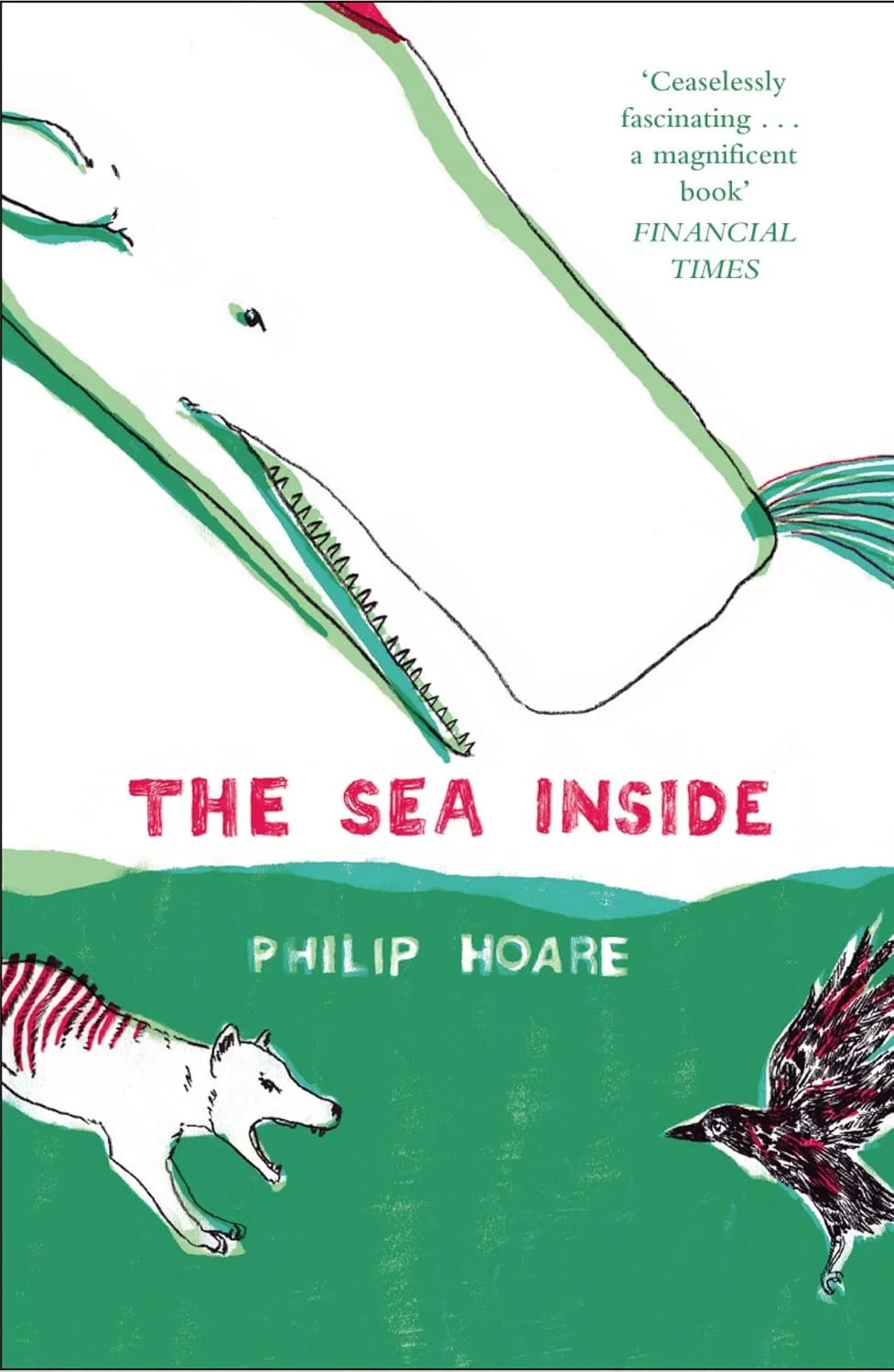
“The sea surrounds us. It gives us life, provides us with the air we breathe and the food we eat. It is ceaseless change and constant presence. It covers two-thirds of our planet. Yet caught up in our everyday lives, we barely notice it.In ‘The Sea Inside’, Philip Hoare sets out to rediscover the sea, its islands, birds and beasts. He begins on the south coast where he grew up, a place of almost monastic escape. From there he travels to the other side of the world – the Azores, Sri Lanka, New Zealand – in search of encounters with animals and people. Navigating between human and natural history, he asks what these stories mean for us now.Along the way we meet an amazing cast; from scientists to tattooed warriors; from ravens to whales and bizarre creatures that may, or may not, be extinct. Part memoir, part fantastical travelogue, ‘The Sea Inside’ takes us on an astounding journey of discovery.”
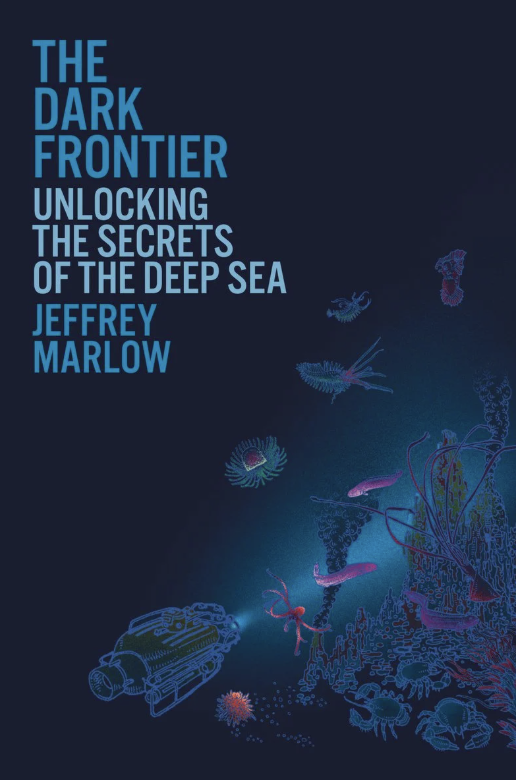
The Dark Frontier is an engaging narrative journey grounded in Marlow’s research and wide-ranging knowledge, together with insights from hundreds of experts, from deep-sea scientists to conservationists and UN diplomats. The book considers the twinned forces of exploration and exploitation, shining a light on deep-sea drilling and mining as well as the complexity of governing the high seas and their precious resources.
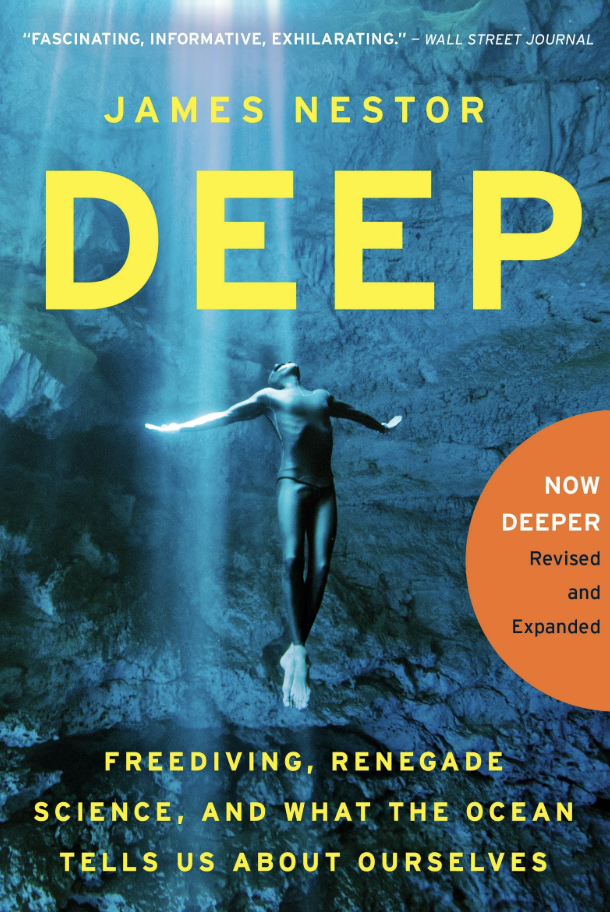
The book follows clans of extreme athletes, adventurers, and scientists as they plumb the limits of the ocean's depths and uncover weird and wondrous new discoveries that, in many cases, redefine our understanding of the ocean and ourselves.
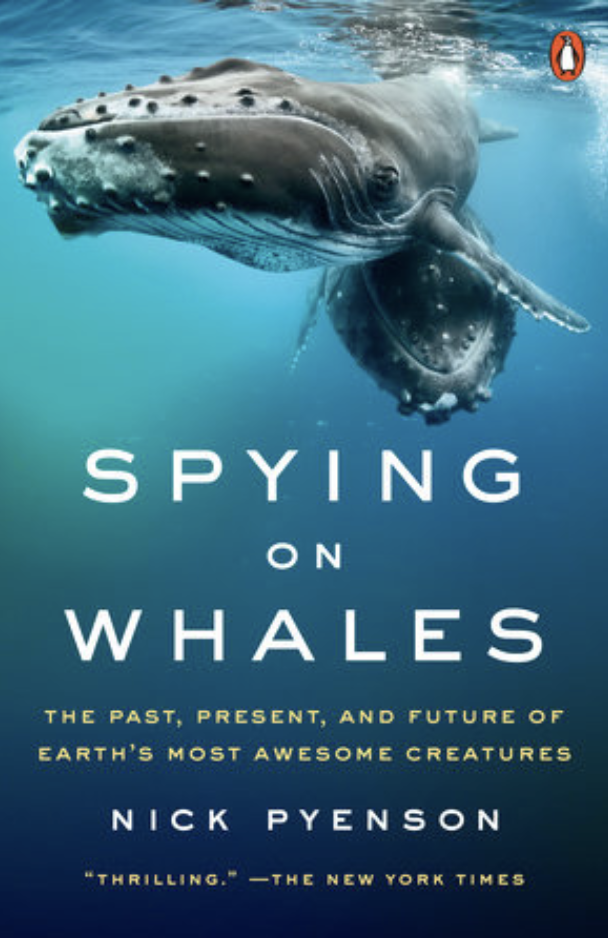
Nick Pyenson’s research has given us the answers to some of our biggest questions about whales. He takes us deep inside the Smithsonian’s unparalleled fossil collections, to frigid Antarctic waters, and to the arid desert in Chile, where scientists race against time to document the largest fossil whale site ever found. Full of rich storytelling and scientific discovery, Spying on Whales spans the ancient past to an uncertain future–all to better understand the most enigmatic creatures on Earth.
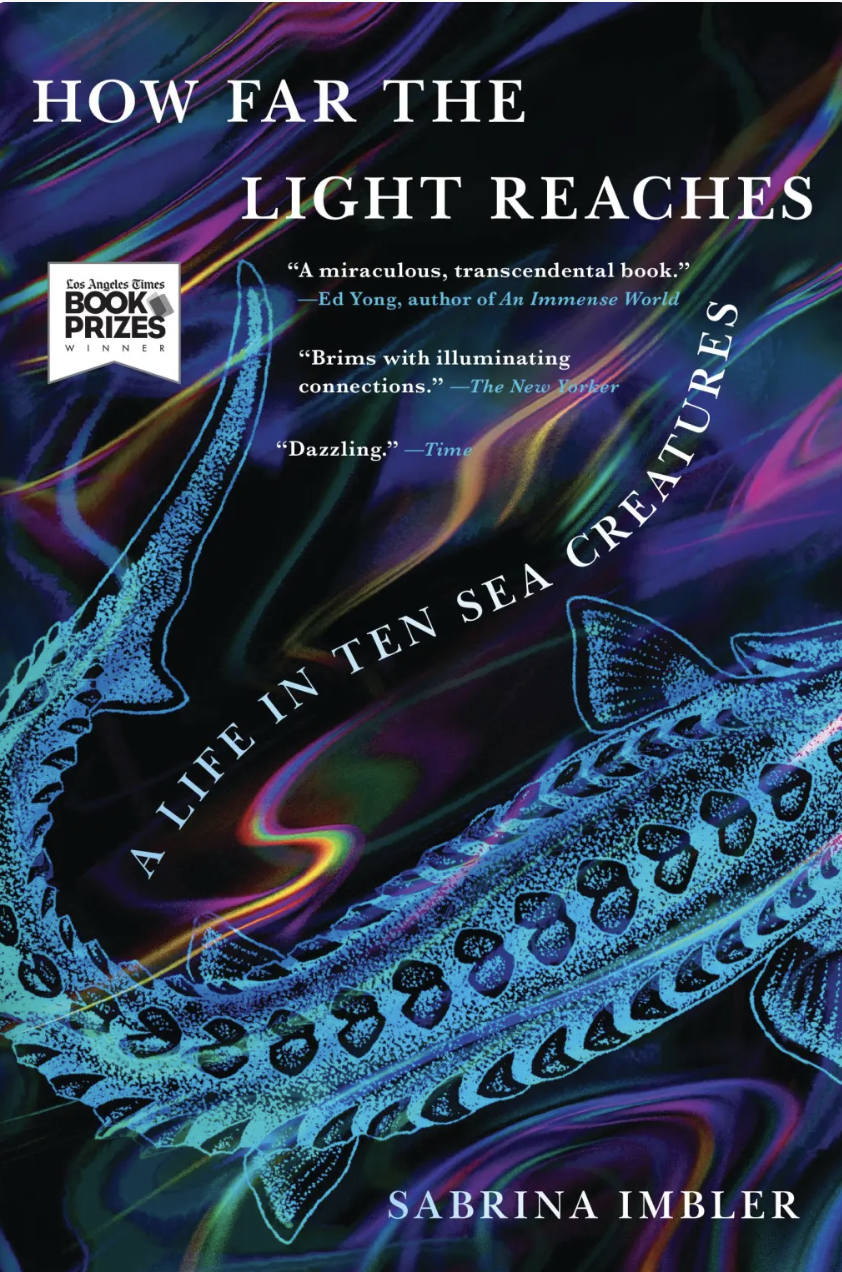
Imbler discovers that some of the most radical models of family, community, and care can be found in the sea, from gelatinous chains that are both individual organisms and colonies of clones to deep-sea crabs that have no need for the sun, nourished instead by the chemicals and heat throbbing from the core of the Earth. Exploring themes of adaptation, survival, sexuality, and care, and weaving the wonders of marine biology with stories of their own family, relationships, and coming of age, How Far the Light Reaches is a shimmering, otherworldly debut that attunes us to new visions of our world and its miracles.
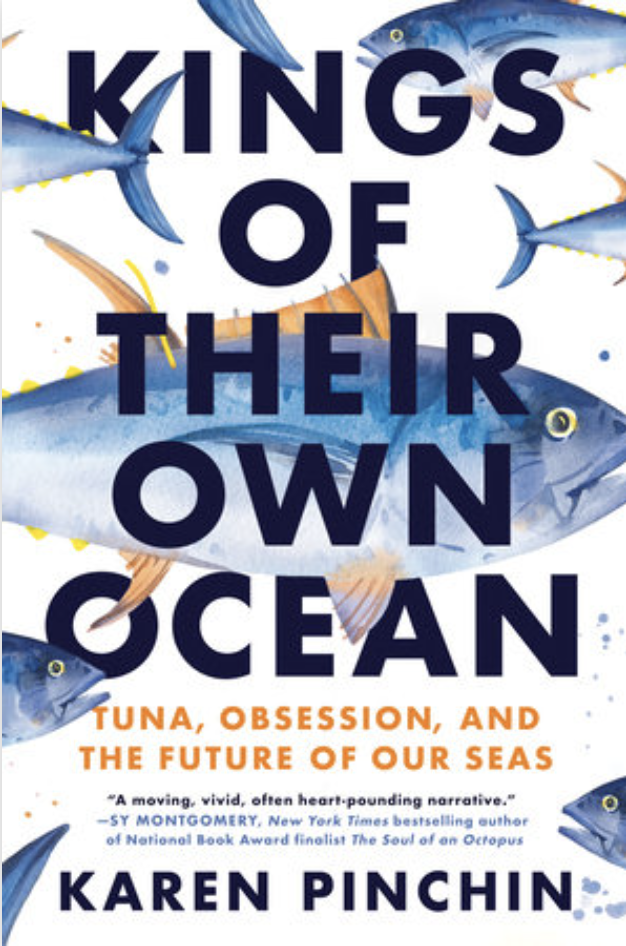
Kings of Their Own Ocean is an urgent investigation that combines science, business, crime, and environmental justice. As Pinchin writes, “as a global community, we are collectively only ever a few terrible choices away from wiping out any ocean species.” Through her exclusive access and interdisciplinary, mesmerizing lens, readers will join her on boats and docks as she visits tuna hot spots and scientists from Portugal to Japan, New Jersey to Nova Scotia, and glimpse, as the author does, rays of dazzling hope for the future of our oceans.
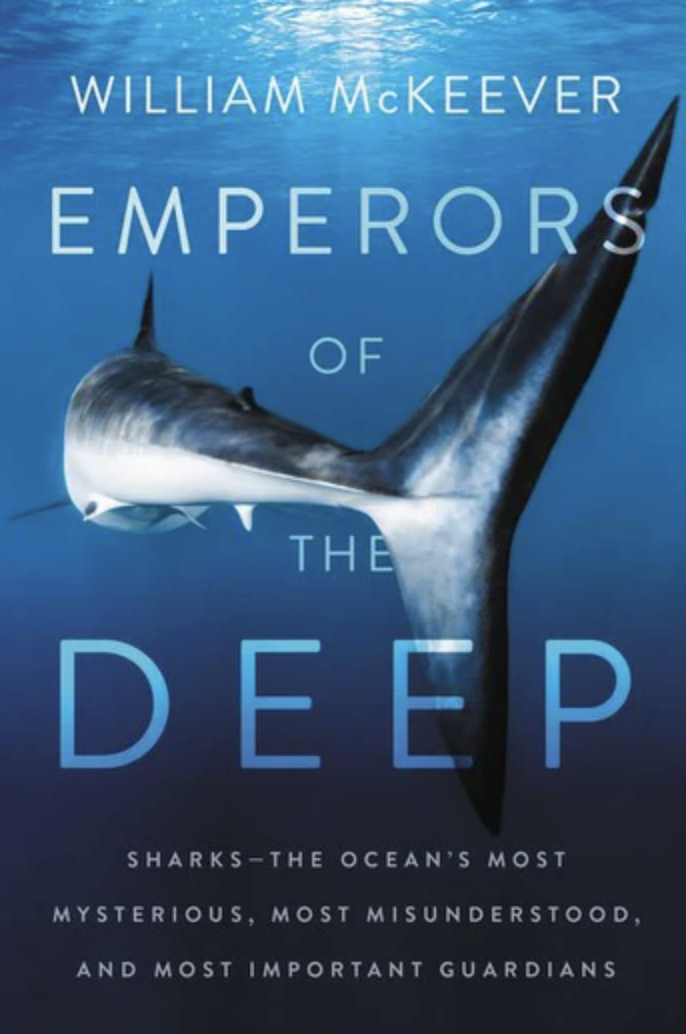
In this remarkable groundbreaking book, a documentarian and conservationist, determined to dispel misplaced fear and correct common misconceptions, explores in-depth the secret lives of sharks—magnificent creatures who play an integral part in maintaining the health of the world’s oceans and ultimately the planet.
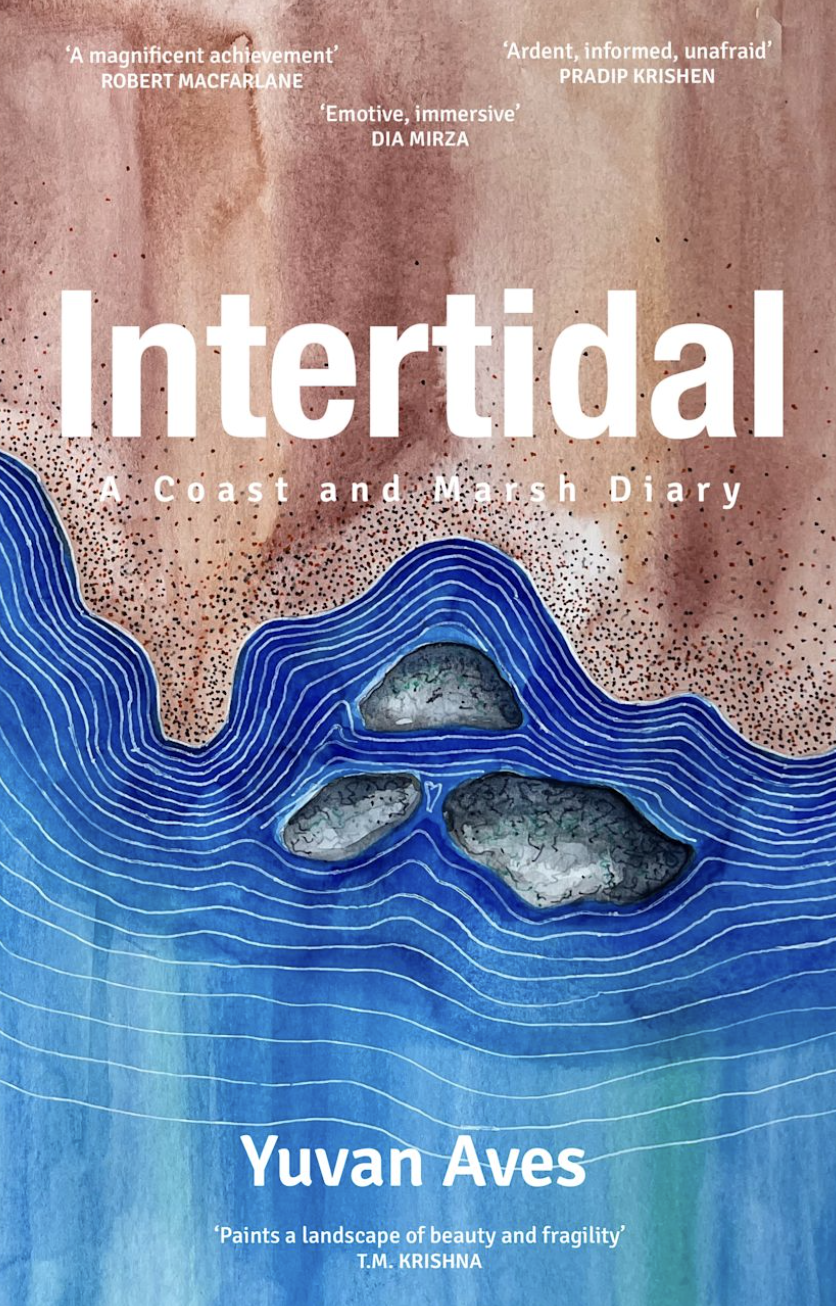
Intertidal asks us to reimagine values to live by in the here and now, heeding the living world and attending to the climate's calling, moving away from the old political, religious and cultural values that have proved to be ecologically disastrous. Yuvan Aves invites us to see beyond the binaries of sea and coast, mindscape and landscape, human and not human, self and other, and live in deep animism amid all of life.
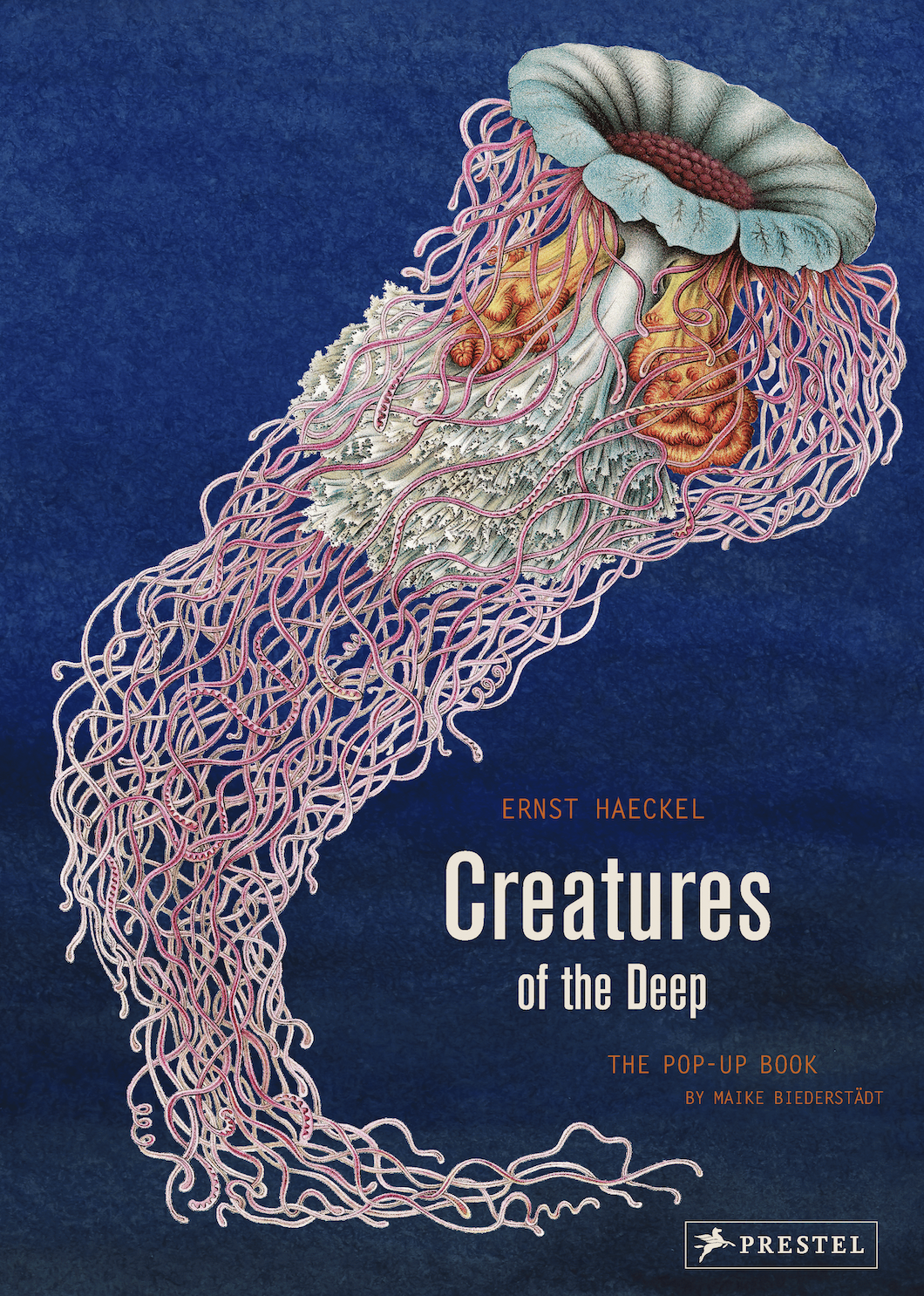
The magnificent prints of Ernst Haeckel, who captured the amazing forms of the natural world, spring to life in this exciting pop-up book that reveals the vibrant intricacy of his work. The book Art Forms in Nature is a collection of prints, made by the scientist Ernst Haeckel, of an enormous variety of flora and fauna from the sea–including microscopic Radiolaria, starfish, and jelly fish. Since Prestel published it in 1998, the book has been a favorite with artists, designers, illustrators, and anyone who enjoys the wondrous forms of the natural world.
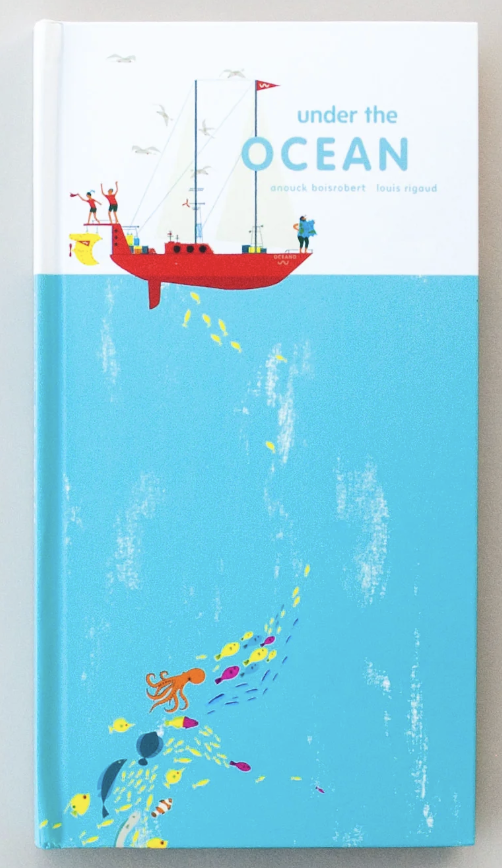
Climb aboard the sailboat Oceano and get ready to depart on an expedition around the world! The scenery changes as we sail from busy port to icy Arctic, over stormy seas, and toward an idyllic sunset. This book’s gorgeous palette and lyrical prose make an appealing package, though it’s what lies under the ocean that will surprise and thrill the most.
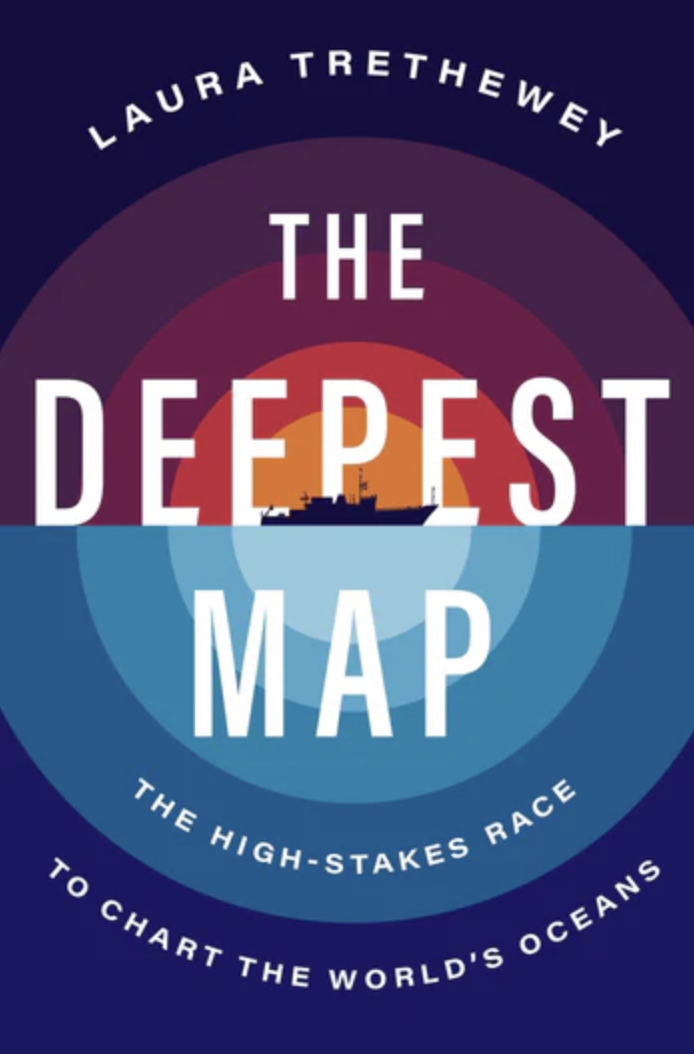
In The Deepest Map, Laura Trethewey documents this race to the bottom, following global efforts around the world, from crowdsourcing to advances in technology, recent scientific discoveries to tales of dangerous dives in untested and costly submersibles. The lure of ocean exploration has attracted many, including the likes of James Cameron, Richard Branson, Ray Dalio, and Eric Schmidt. The Deepest Map follows a cast of intriguing characters, from early mappers such as Marie Tharp, a woman working in the male-dominated fields of oceanography and geology whose discoveries have added significantly to our knowledge; Victor Vescovo, a man obsessed with reaching the deepest depths of each of the five oceans, and his young, brilliant, and fearless mapper Cassie Bongiovanni; and the diverse entrepreneurs looking to explore and exploit this uncharted territory and its resources.
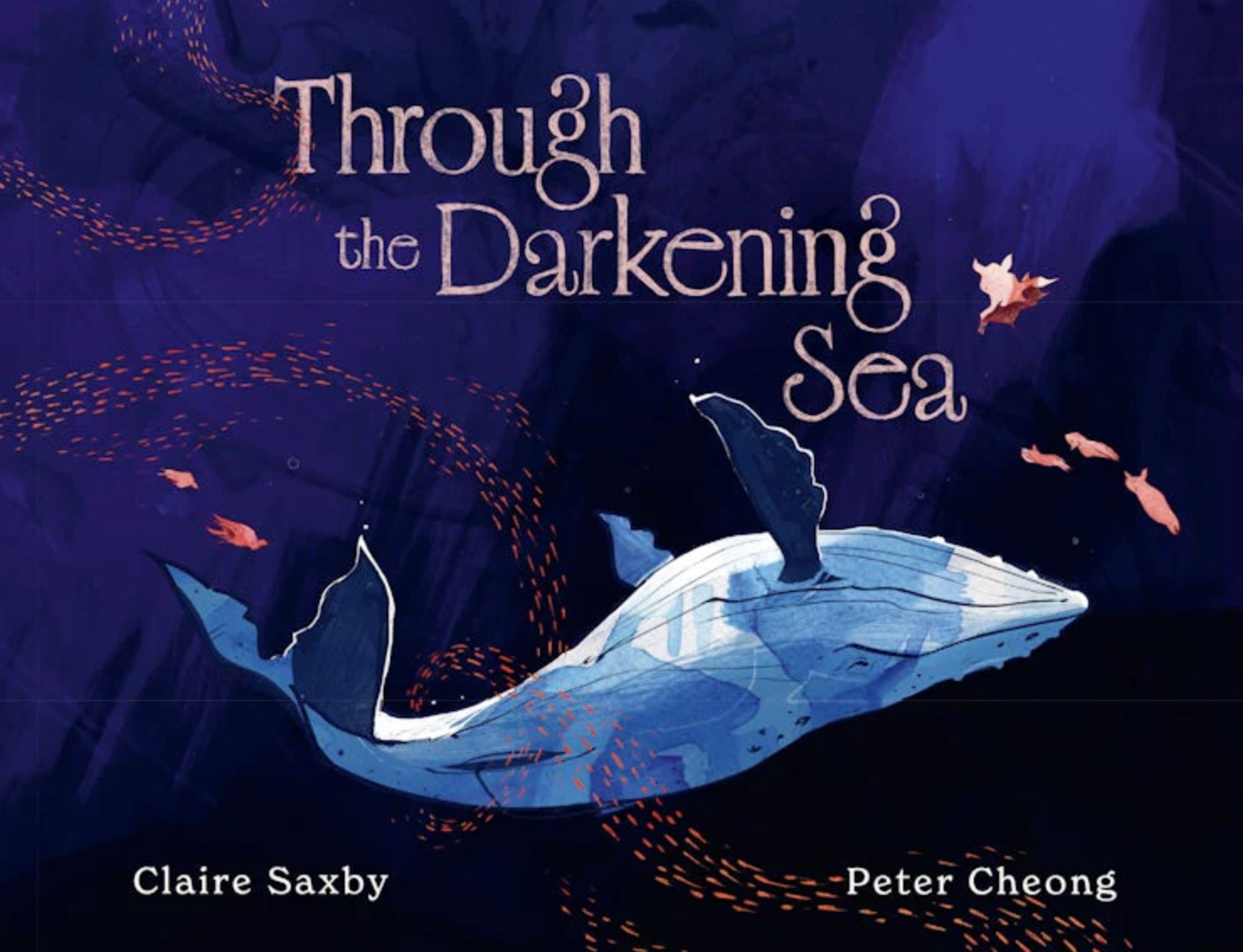
The ocean comes alive in this incredible tale about the cycle of life. Watch the colours of marine creatures change as a whale falls towards the darkness of deep waters. Discover the extraordinary animals that live beyond the light.
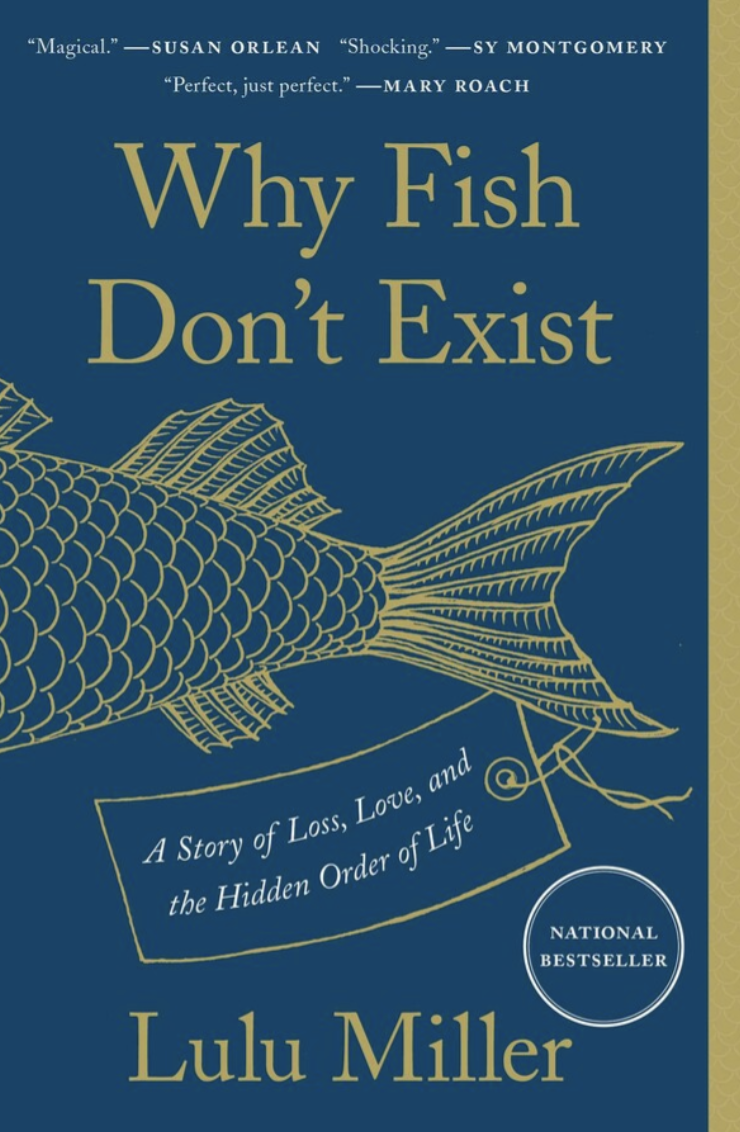
David Starr Jordan was a taxonomist, a man possessed with bringing order to the natural world. In time, he would be credited with discovering nearly a fifth of the fish known to humans in his day. But the more of the hidden blueprint of life he uncovered, the harder the universe seemed to try to thwart him. His specimen collections were demolished by lightning, by fire, and eventually by the 1906 San Francisco earthquake—which sent more than a thousand discoveries, housed in fragile glass jars, plummeting to the floor. In an instant, his life’s work was shattered.
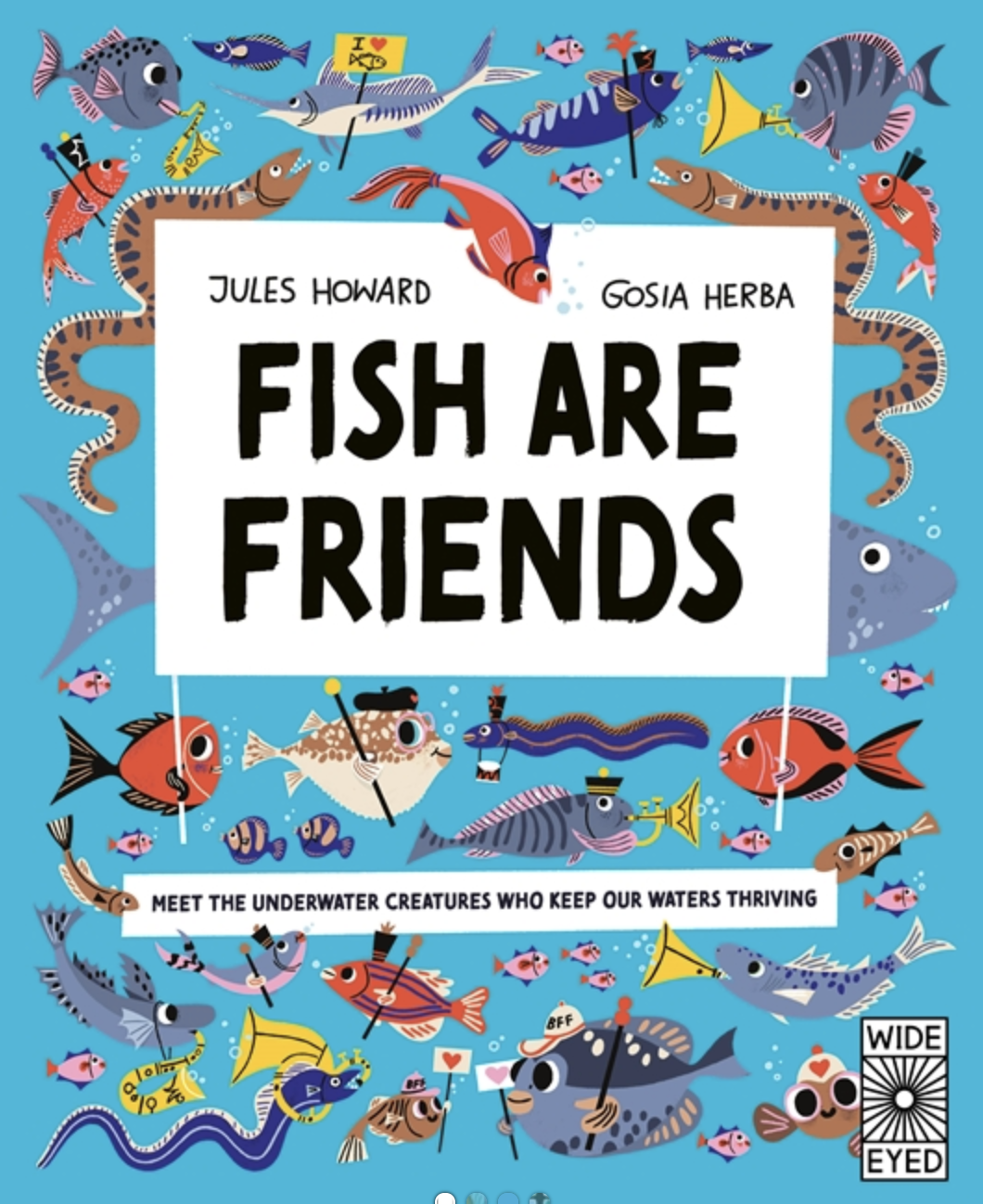
Dive into a dazzling underwater world and discover just how important fish really are.
Fish are FINTASTIC! No, really – they do so much for us. They help prevent diseases, build beaches, create medicines and balance entire ecosystems. Yet most people have no idea how incredible fish are . . .
Follow your pufferfish guide through a wild, witty underwater adventure that reveals the brilliant skills, hidden superpowers and ecological importance of fish – and why they should never, ever be underestimated.
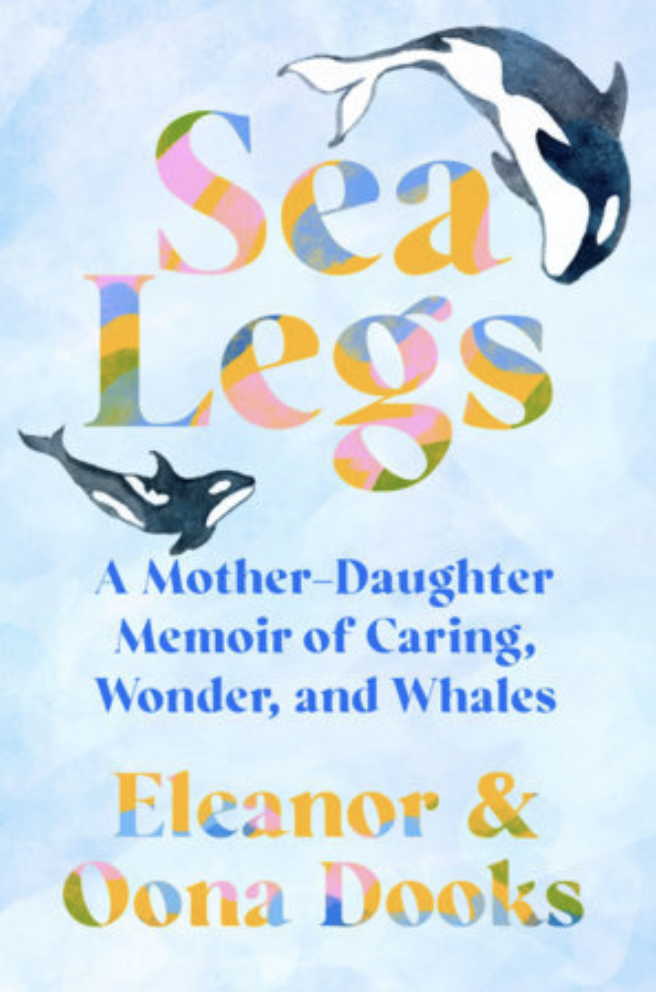
Eleanor Dooks is raising her family on the Scottish seaside, but she’s afraid of the water—until her eleven-year-old daughter, a wheelchair user, discovers a passion for swimming. As they begin to embrace the water, they soon find that the surrounding marine life seem to know something about caregiving that we don’t.
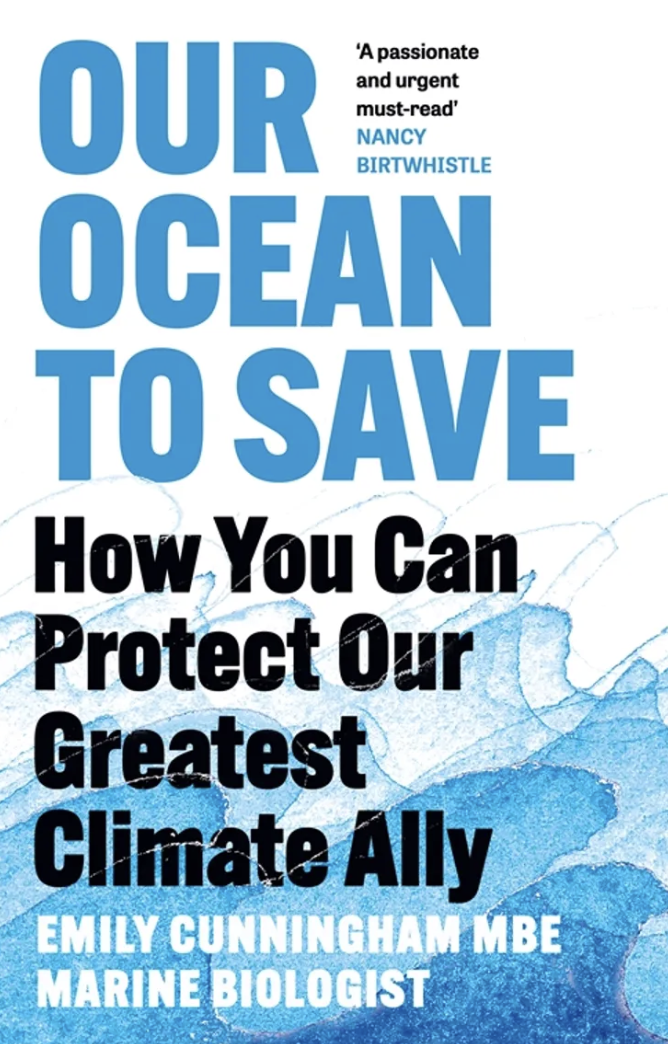
Our Ocean to Save is an urgent call to action, drawing on her years of experience to paint a global picture of the state of the ocean, what its future may hold and what you can do to meaningfully help our greatest climate ally.
Our Ocean to Save is packed with sustainability tips to help the ocean at home and work, showing you how to become a citizen marine biologist, as well as offering powerful advice for how to engage with your elected representatives and make your voice heard. Wherever you are on your ocean conservation journey, and no matter where you live, this book will help.
Games
These ocean-themed games offer an immersive way to explore marine environments and deepen your connection to the underwater world.
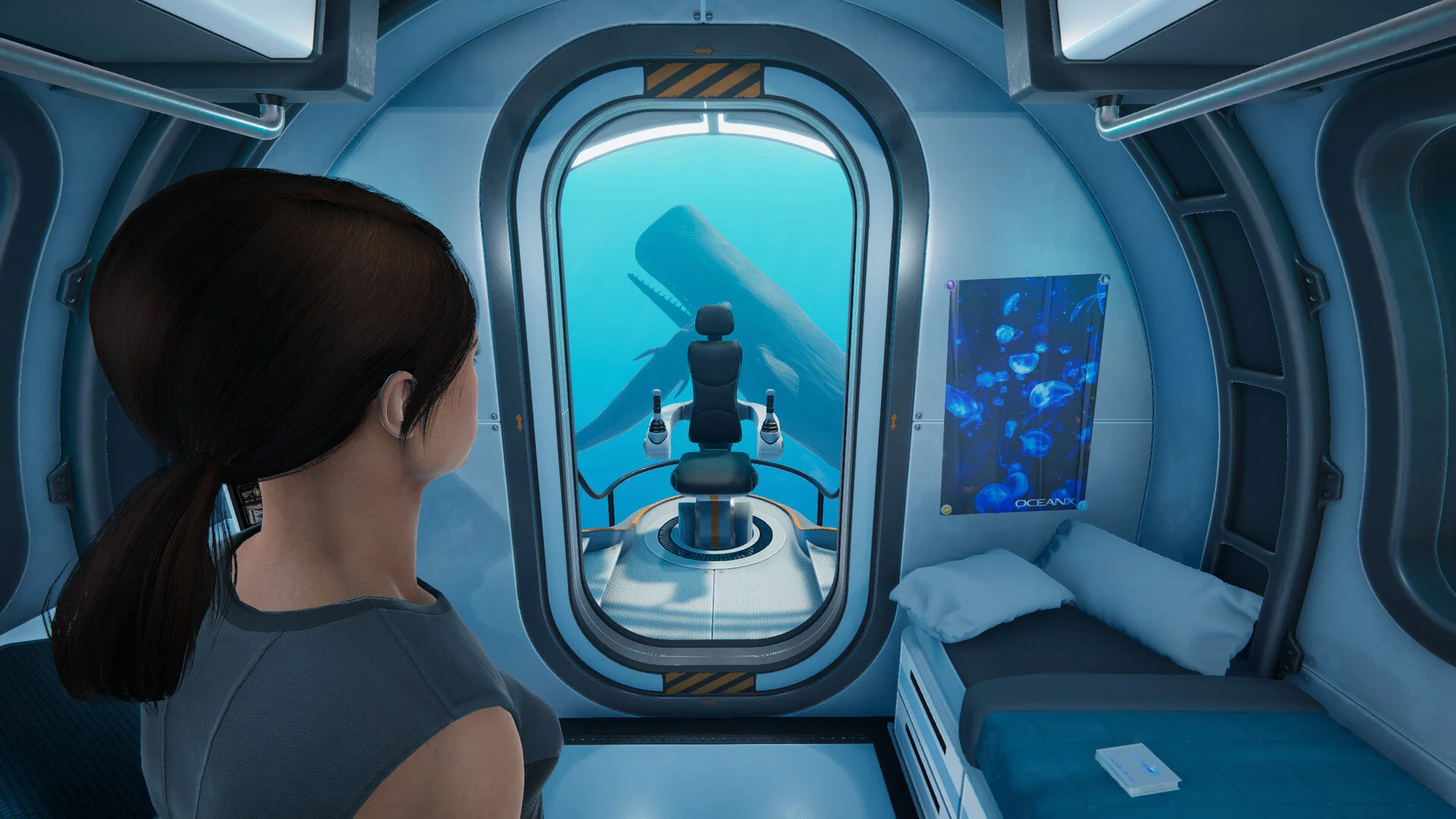
Beyond Blue
“Beyond Blue takes players into the near future, where they will have the opportunity to explore the mysteries of our ocean through the eyes of Mirai, a deep-sea explorer and scientist. She and her newly-formed research team will use groundbreaking technologies to see, hear, and interact with the ocean in a more meaningful way than has ever been attempted. The game features an evocative narrative and exploration of an untouched world.”

In Other Waters
“Play as an Artificial Intelligence guiding a stranded xenobiologist through a beautiful and mysterious alien ocean. A non-violent sci-fi story, enter a world of wonder, fear and vulnerability, unraveling the history and ecology of an impossible planet. What will you discover together?”
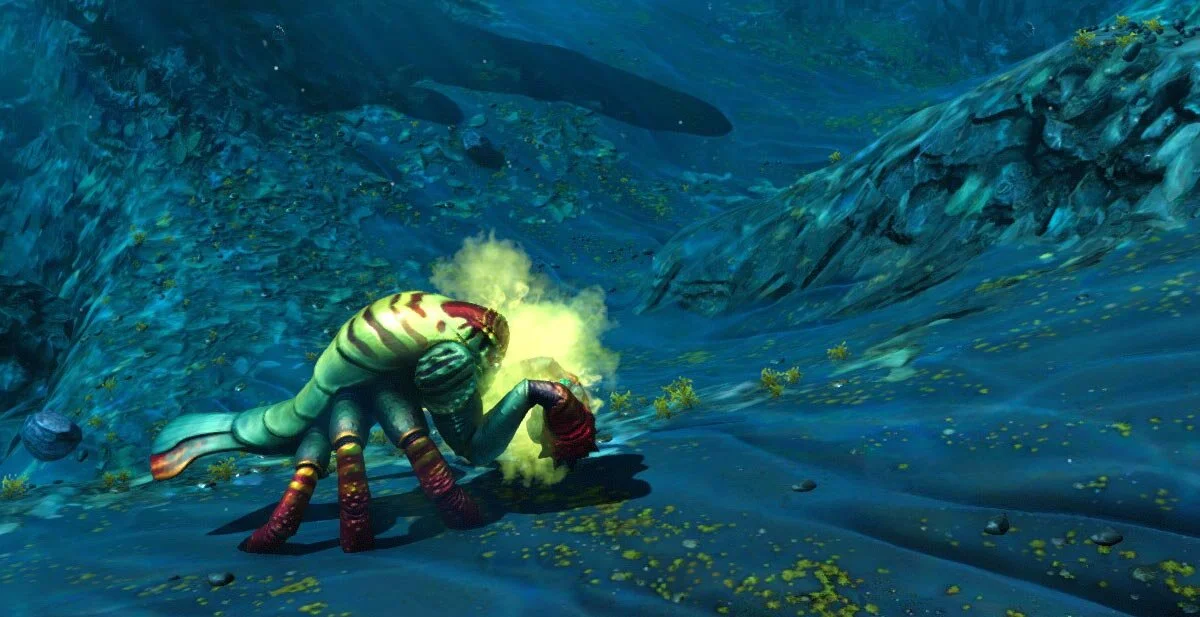
Subnautica
“You have crash-landed on an alien ocean world, and the only way to go is down. Descend into the depths of a vast underwater world filled with wonder and peril. Craft equipment, pilot submarines and out-smart wildlife to explore lush coral reefs, volcanoes, cave systems, and more - all while trying to survive.”

Abzu
“ABZÛ is an epic descent into the depths of the sea, where players will explore beautifully rendered ocean environments with fluid swimming controls. The experience draws inspiration from the deep innate narrative that we all carry within our subconscious: the story of ABZÛ is a universal myth that resonates across cultures. The name references a concept from the oldest mythologies; it is the combination of the two ancient words AB, meaning ocean, and ZÛ, meaning to know. ABZÛ is the ocean of wisdom.”

subROV: Underwater Discoveries
“subROV is a simulation game that allows you to launch and pilot a submarine ROV (Remotely Operated Vehicle) and explore the oceans. Transport, deploy, and take control of a full-ocean-depth rated submarine equipped with an array of advanced tools.”

FathomNet
FathomNet is an open-source image database that can be used to train, test, and validate state-of-the-art artificial intelligence algorithms to help us understand our ocean and its inhabitants.
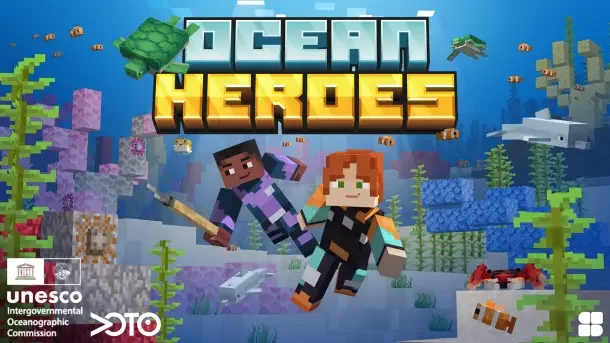
Ocean Heroes invites students globally to embark on an immersive marine conservation adventure. Players join virtual marine scientists aboard a research vessel, exploring and addressing real-world ecological challenges affecting coral reefs, kelp forests, and mangrove ecosystems.
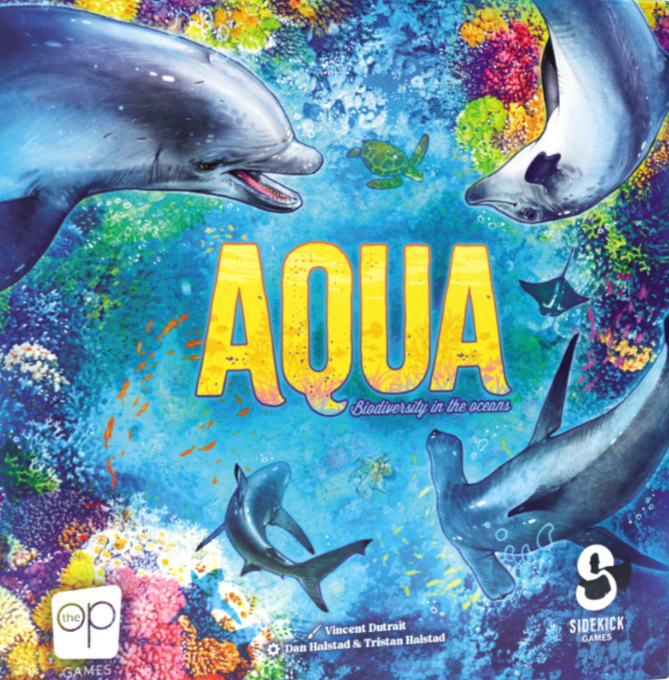
In AQUA, your starting point is a hot spot that gradually becomes surrounded by expanding coral formations. These corals serve as habitats for small marine animals. By fostering biodiverse habitats, you can then create ideal conditions for attracting the largest marine animals.
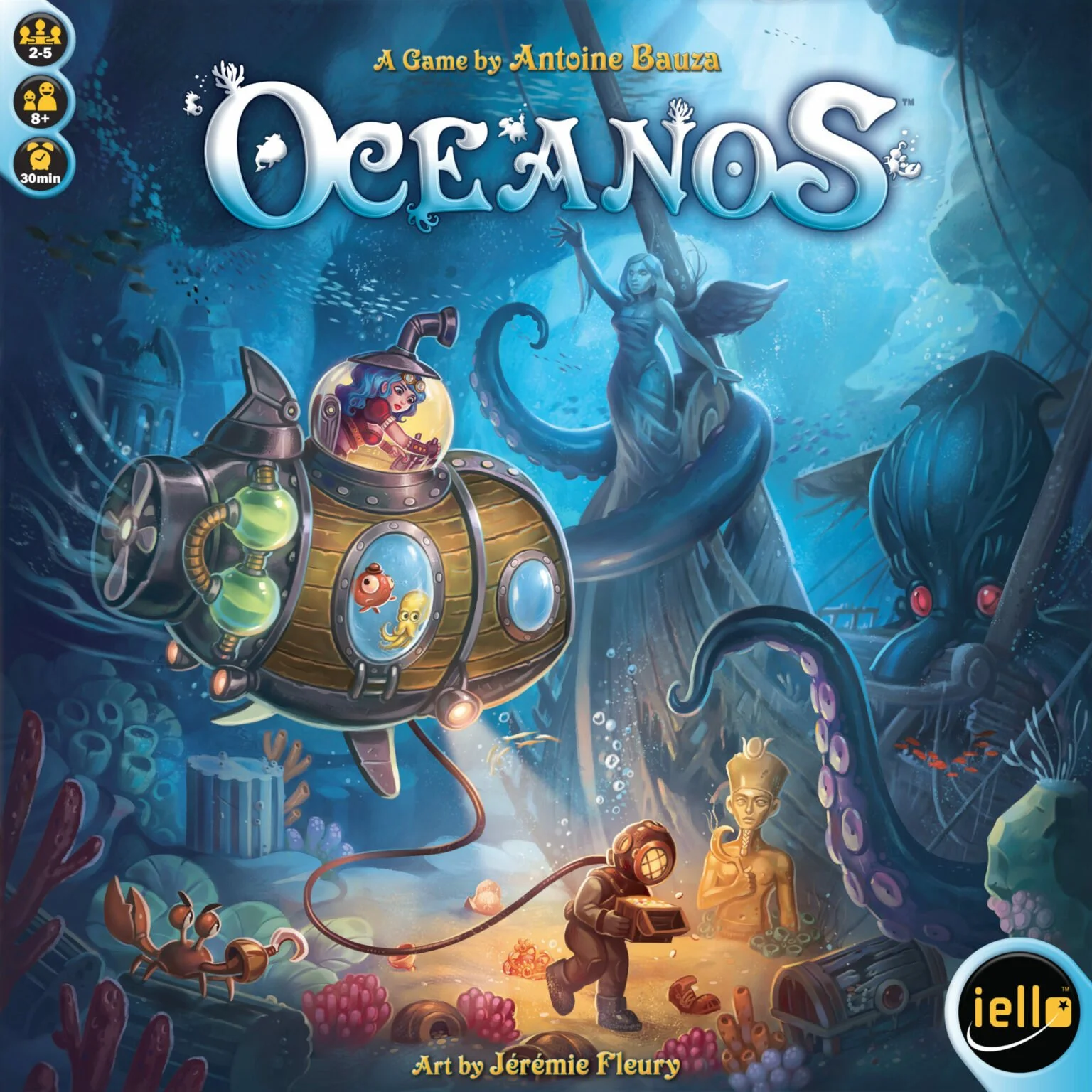
In Oceanos, take on the role of an Expedition Captain and dive to the bottom of the oceans in your submarine. Collect amazing animal species, discover the world's largest coral reef and harvest unsuspected treasures with the help of your scuba divers!
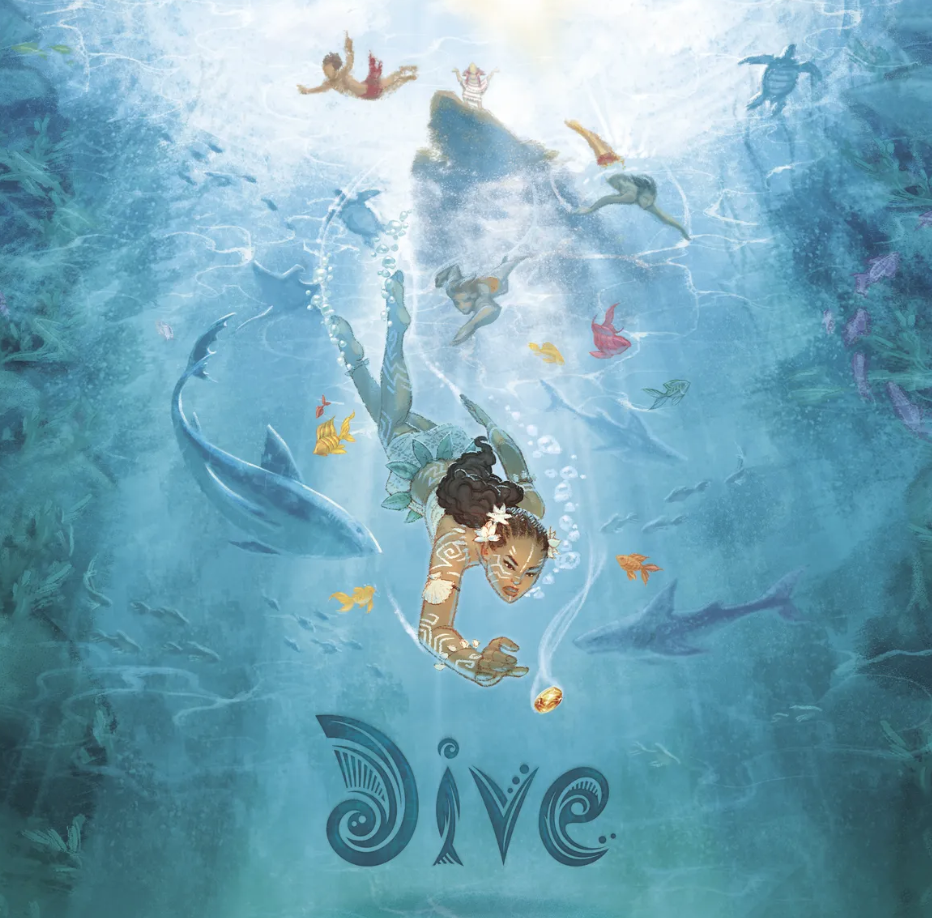
Dive into the water. Progress deeper and deeper avoiding disturbing the sharks to be the first one to grab a beautiful gem thrown at the bottom of the sea. Pay attention to your oxygen, you need to use it carefully and at the right time to keep the strength to reach the treasure. Keep your eyes open, some kind animals might help you to dive deeper.
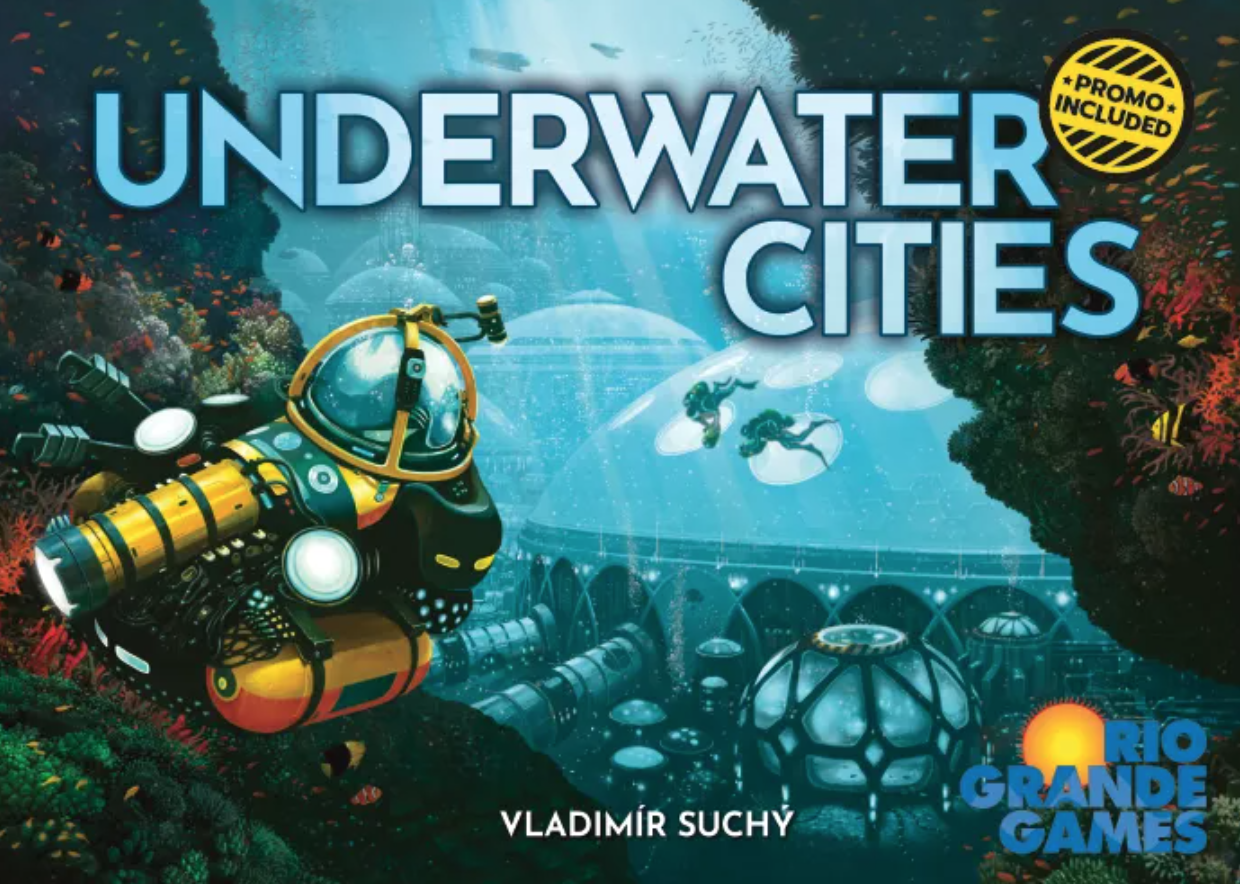
As overcrowded metropolises spread across the earth, humanity has realized it is time to establish a new home on the ocean floor. Kelp farms can provide food. Desalination plants can provide water. And laboratories can provide the technology needed to build a network of underwater cities.
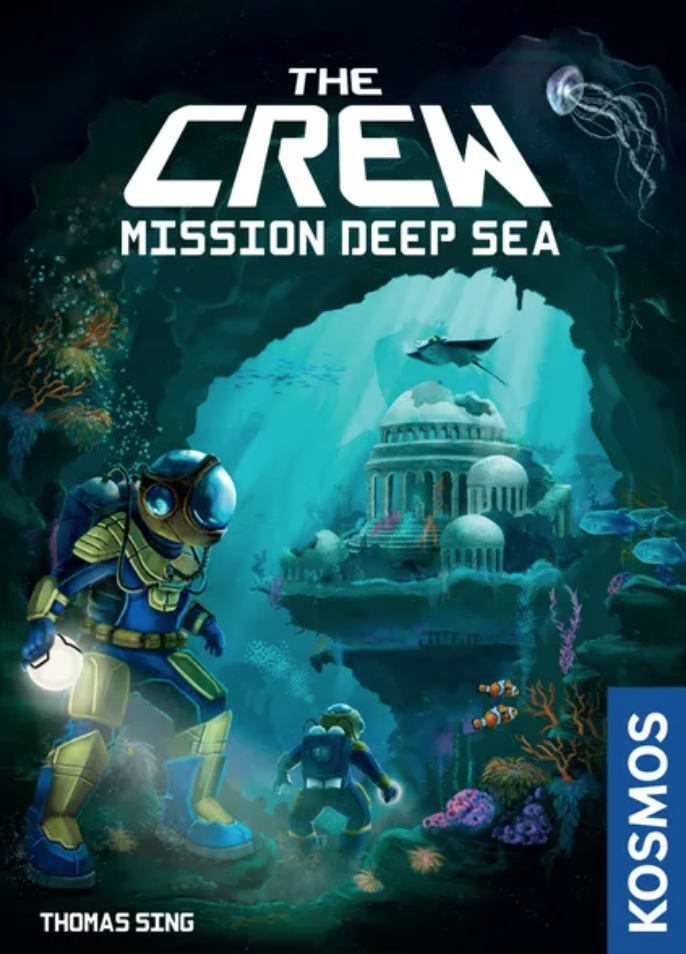
This new adventure takes your crew deep down into the abyss on a search for the fabled sunken land. How far you get depends entirely on how well you work together as a team. Card by card, trick by trick, your search party will discover the challenges that lie ahead and forge a path to Mu. This new version of The Crew has the same innovative cooperative trick-taking mechanic as the highly lauded original game — but with some exciting new surprises!
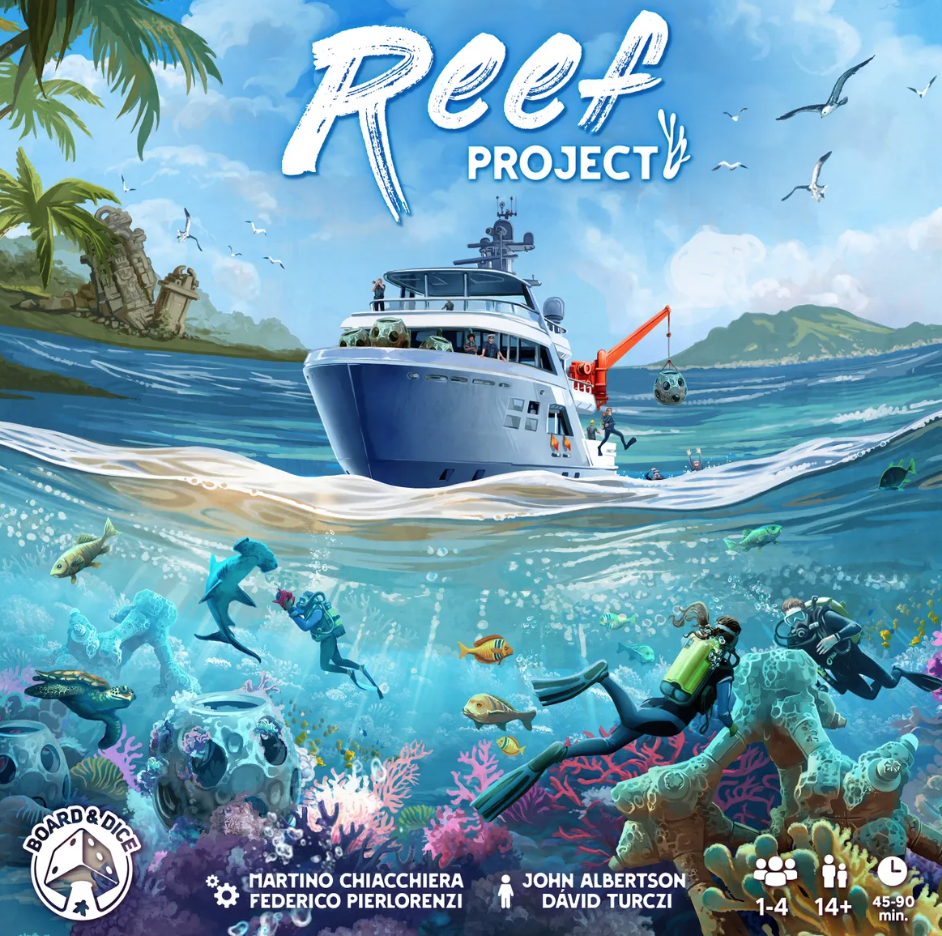
Reef Project places you at the heart of coral reef conservation, a mission to protect one of the ocean’s most vibrant but endangered ecosystems. Take command of a scientific vessel and lead your crew on a journey to restore the reefs, battling climate change, pollution, and overfishing.
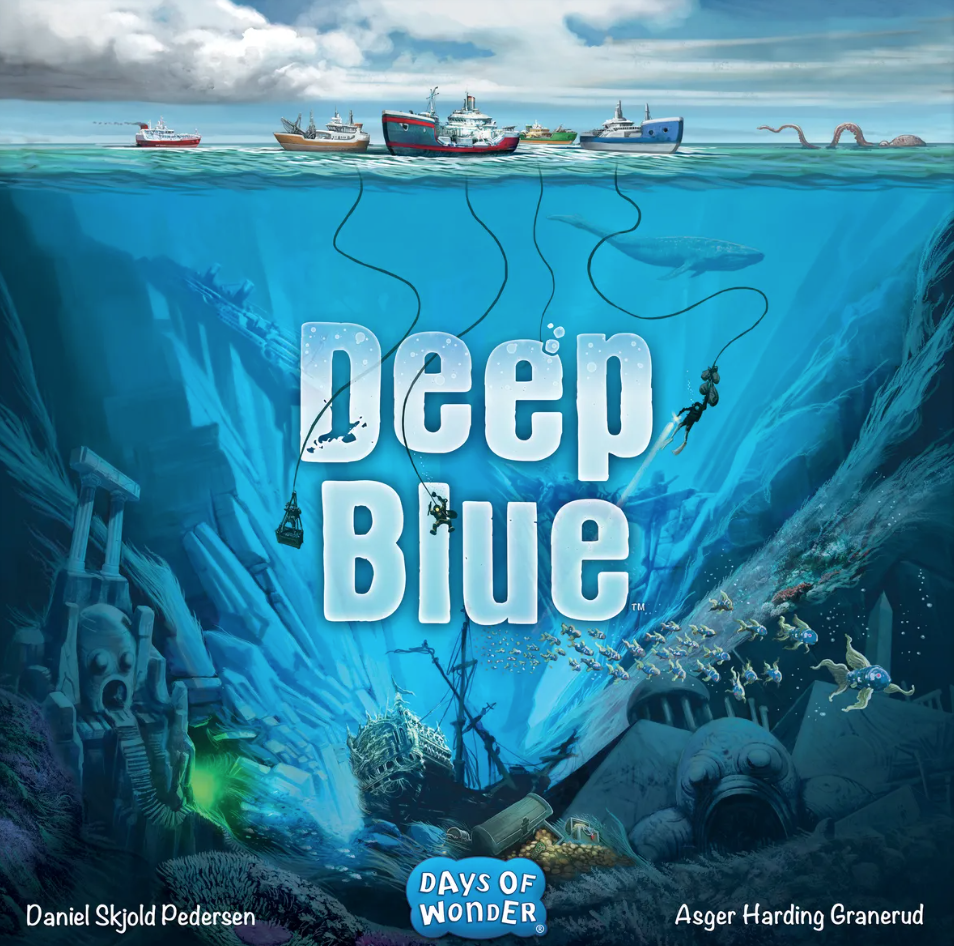
The most ancient, legendary, and extravagant underwater wrecks are waiting for divers. Diving suits and oxygen tanks are aboard, and the ship is ready to weigh anchor. There's no time to lose! The increased hustle and bustle of the harbor, with ship captains attempting to hire the best divers and historians, can mean only one thing: Other captains have the same map, and the biggest treasure hunt of all time is about to begin!
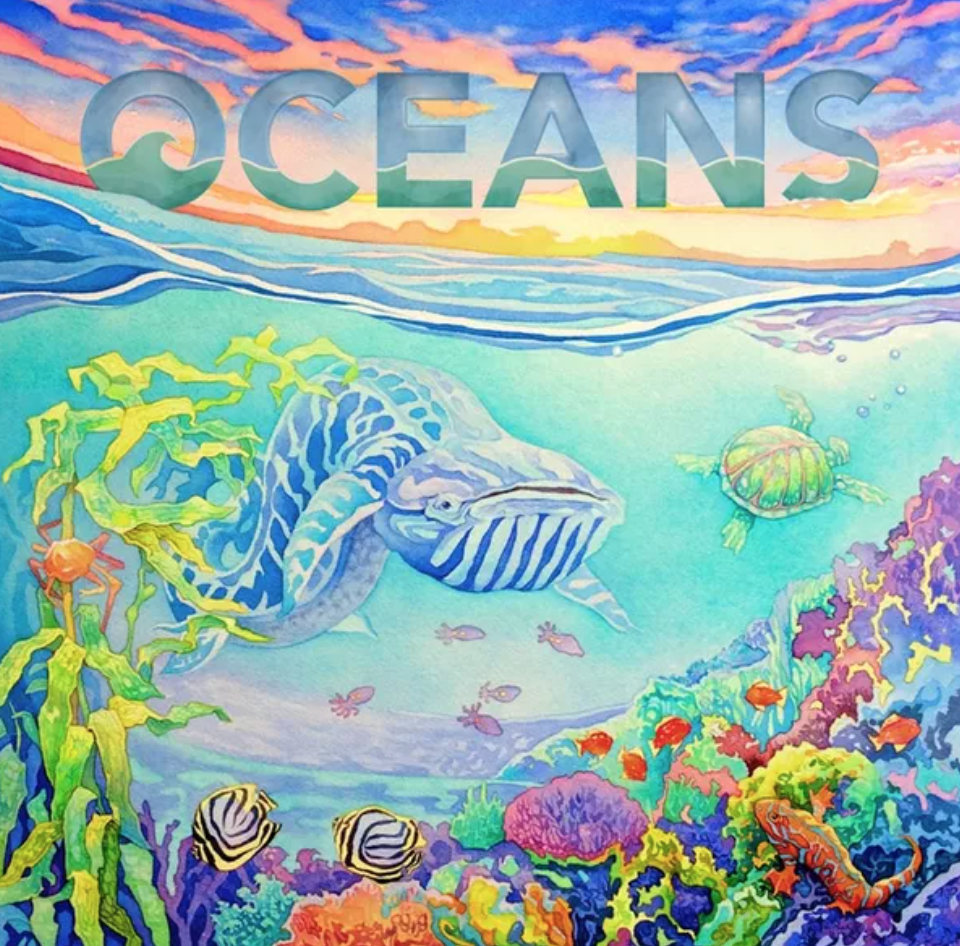
Oceans depicts the boundaries between the known world near the ocean’s surface, and the mysteries lurking in Earth’s deepest unexplored region. Enter a vast, underwater cosmos: a mysterious interconnected world of sharp teeth, glowing eyes, and black ink, where your survival depends on your ability to adapt to the unknown. The foundation of the oceanic food chain are billions of one-celled organisms called phytoplankton that capture the sun's energy through photosynthesis. Every other species in the ocean is a predator, each bigger than the next, all the way up to the dreaded Apex Predator. And even bigger than Apex Predators are enormous Whales that gently swim through the ocean scooping up everything in their path. This ecosystem mimics the known world near the surface. But there is more if you are willing to dive deeper.
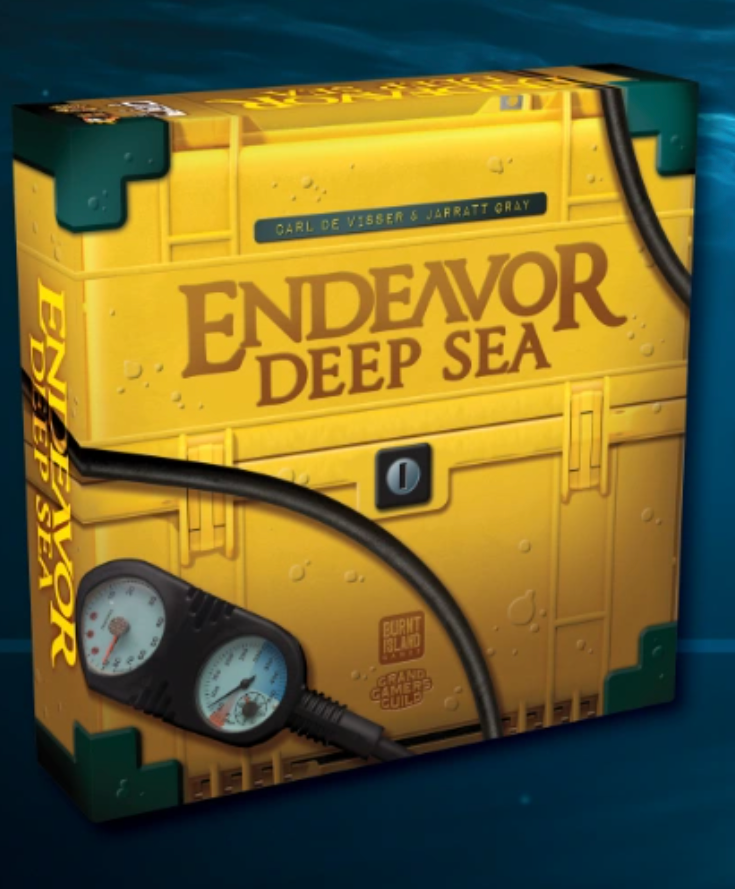
In Endeavor: Deep Sea, you head an independent research institute with the goal of developing sustainable projects and preserving the fragile balance of marine life. Throughout the game, you’ll recruit field experts and use their abilities to explore new locations, research dive sites, publish critical ecological papers, and launch conservation efforts.
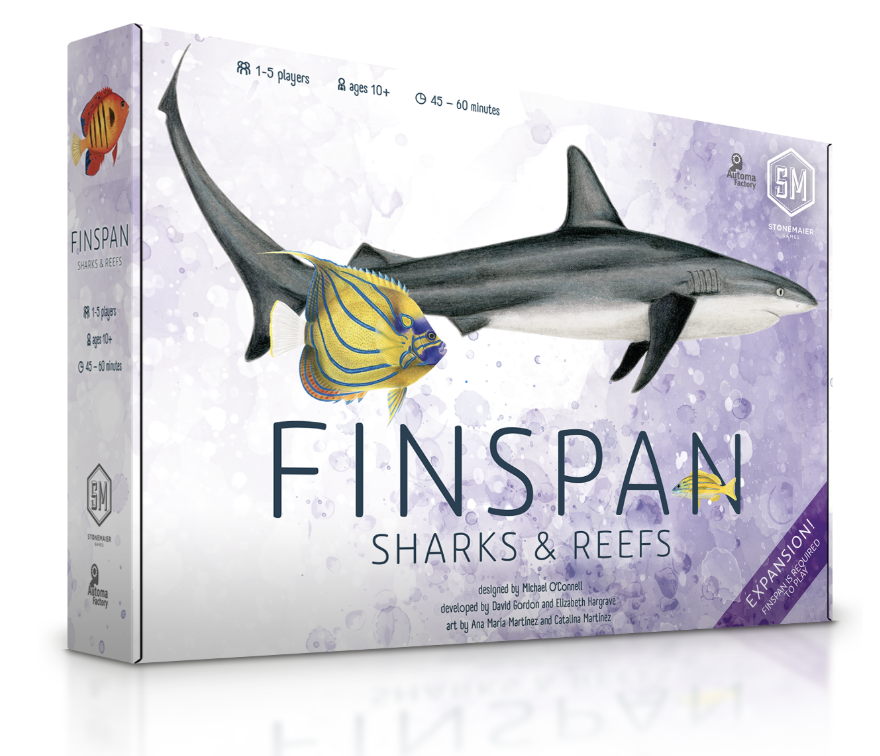
Players can now nurture colorful coral reefs in each of their ocean’s three dive sites. Healthy reefs enable you to play powerful reef fish, unlock fish abilities, and score bonuses at the end of the game. Meanwhile, sharks scatter schools of young (to form even more schools elsewhere) and leave behind food scraps that any fish in your ocean can consume.
I’ll keep updating this list as I discover new ocean films, books, and projects worth sharing. If you have a favorite resource or something I should check out, I’d love to hear about it! The more we learn, the more we can appreciate and protect the ocean.