
Reef Chats
Reef Chat was a laid-back, creative monthly conversation series that dives into the mysteries and realities of the deep sea, blending the insights of both art and science. Each session paired one artist with a subject-matter expert to spark an informal, thought-provoking exchange centered on a specific theme.
The format is intentionally conversational and collaborative, not a panel, not a workshop, just a good conversation. We want to create a space where everyone feels welcome to ask questions, share their ideas, or simply listen and be inspired.
A collaboration with the Sustainable Ocean Alliance, Reef Chat invites participants to stick around and join the conversation as long as they’d like. We aim to keep things fun, engaging, and open to all kinds of curiosity! We also invite you to check out the SOA’s Deep-Sea Academy.

All about the Deep-Sea
In this session, we explore the fundamentals of the deep sea, its ecosystems, biodiversity, and why this largely unexplored environment matters for the health of our entire planet.
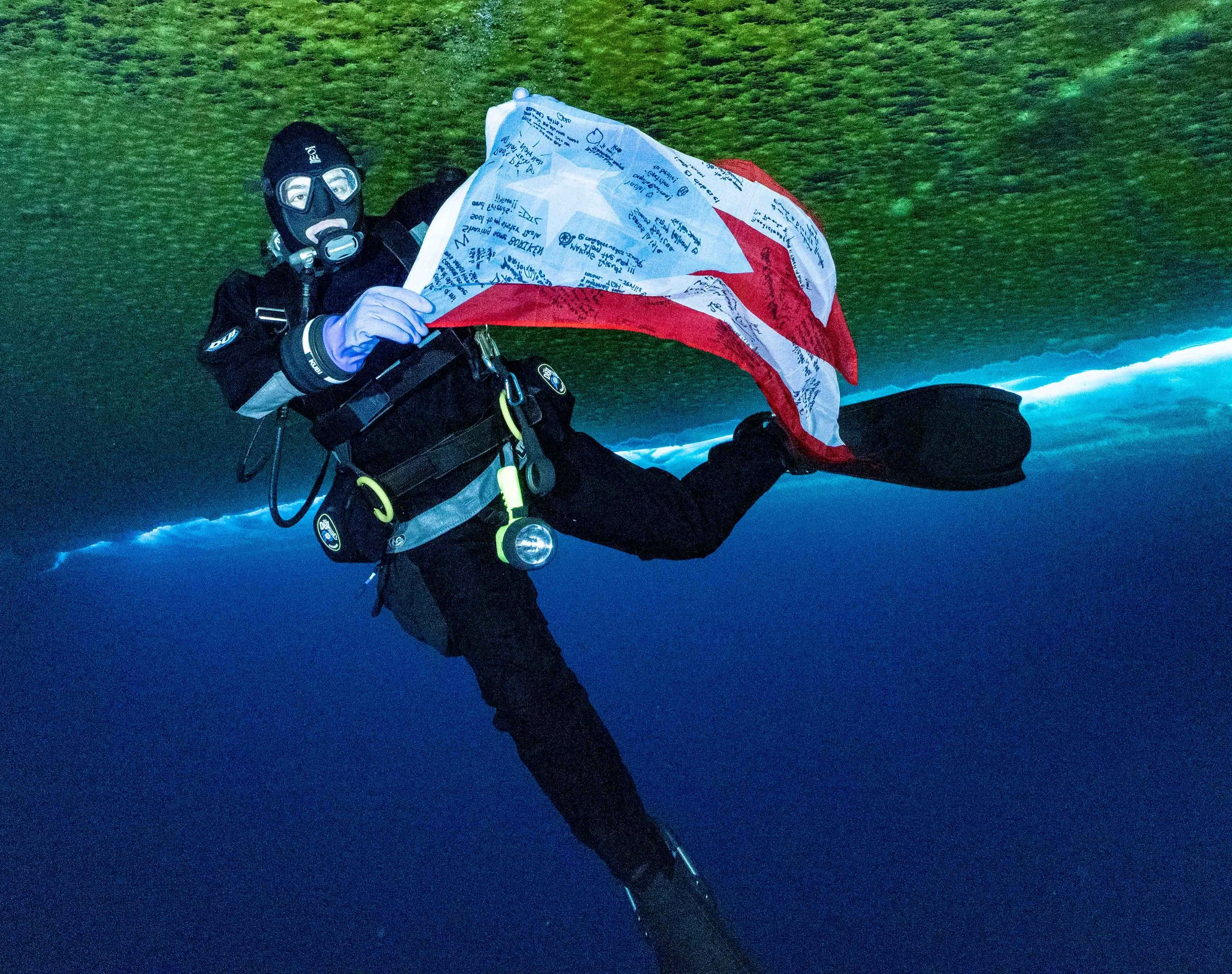
Paola Santiago Padua
Deep-Sea and Polar Researcher
“Saving the world, one coral at a time”, her team would joyfully say before diving into the lukewarm waters. Growing up on an island surrounded by coral reefs, Paola has been privileged to be part of the few research-based eCorts toward their restoration in Puerto Rico. After being a volunteer diver for over four years, this was the first time she was coming back as part of the response team after Hurricane Fiona in 2022. She has been involved in their coral nurseries’ development and advocacy events, which have empowered her to lead the first (free) ocean internship for students on the island. Admiring the resilience of our reefs upon a warming ocean has taught her how science, conservation, and education are a continuum that together pave the way toward ocean health. As a biology undergraduate and co-president of the coral restoration student chapter, she fostered great value in citizen science initiatives through beach clean-up events and outreach. Eager to explore beyond the reefs, Paola has embarked on three deep-sea expeditions so far. Now as a PhD student studying deep sea and Antarctic methane seeps food webs, Paola aims to bring Caribbean representation into the last frontiers on Earth: diving below sea ice in Antarctica. She looks forward to translating these skills into the Caribbean deep-sea exploration and grow into an ocean leader to pioneer its research eCorts to connect her community and broader Latin America with all of their ocean resources.
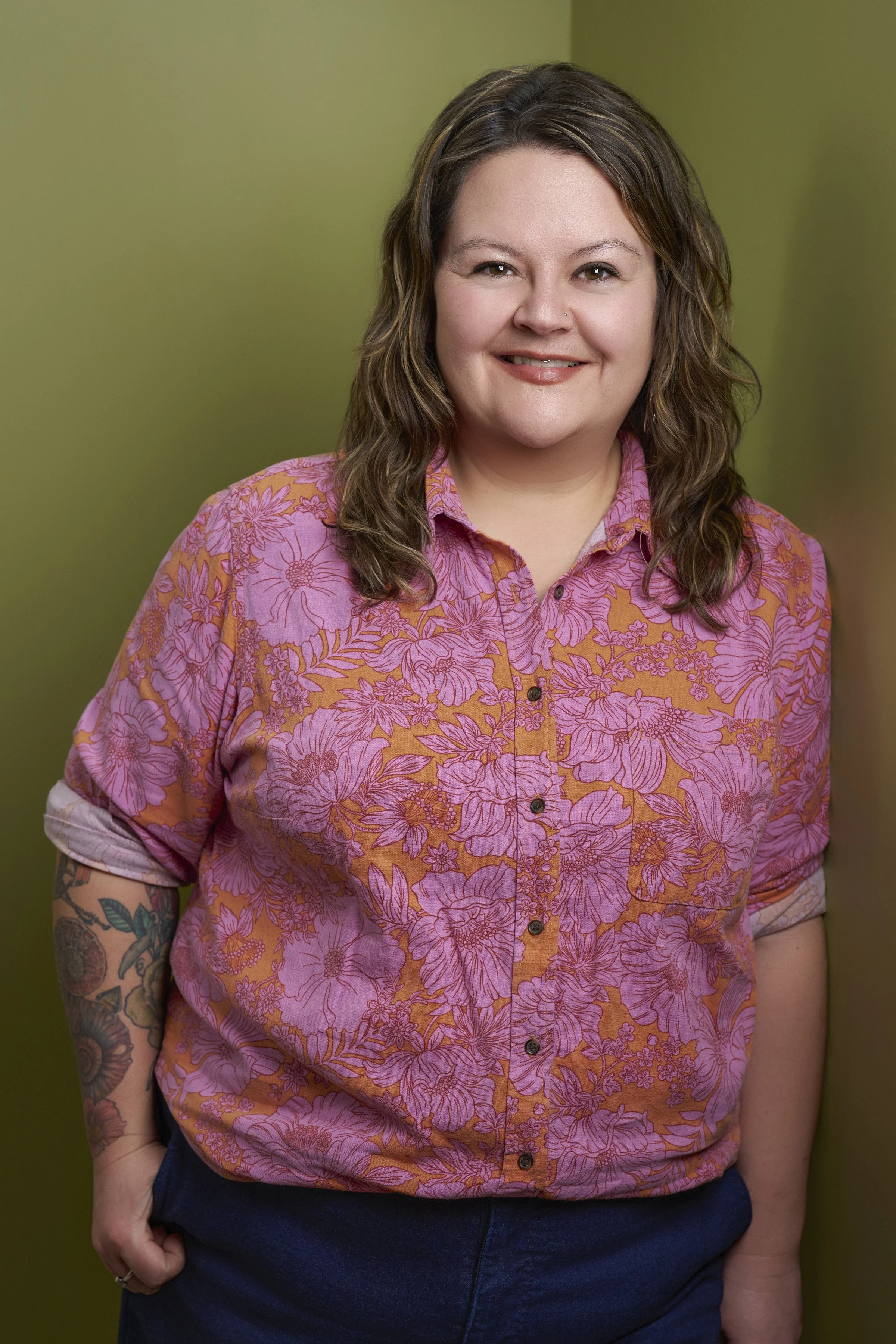
Meghan Jones
Artist and Author
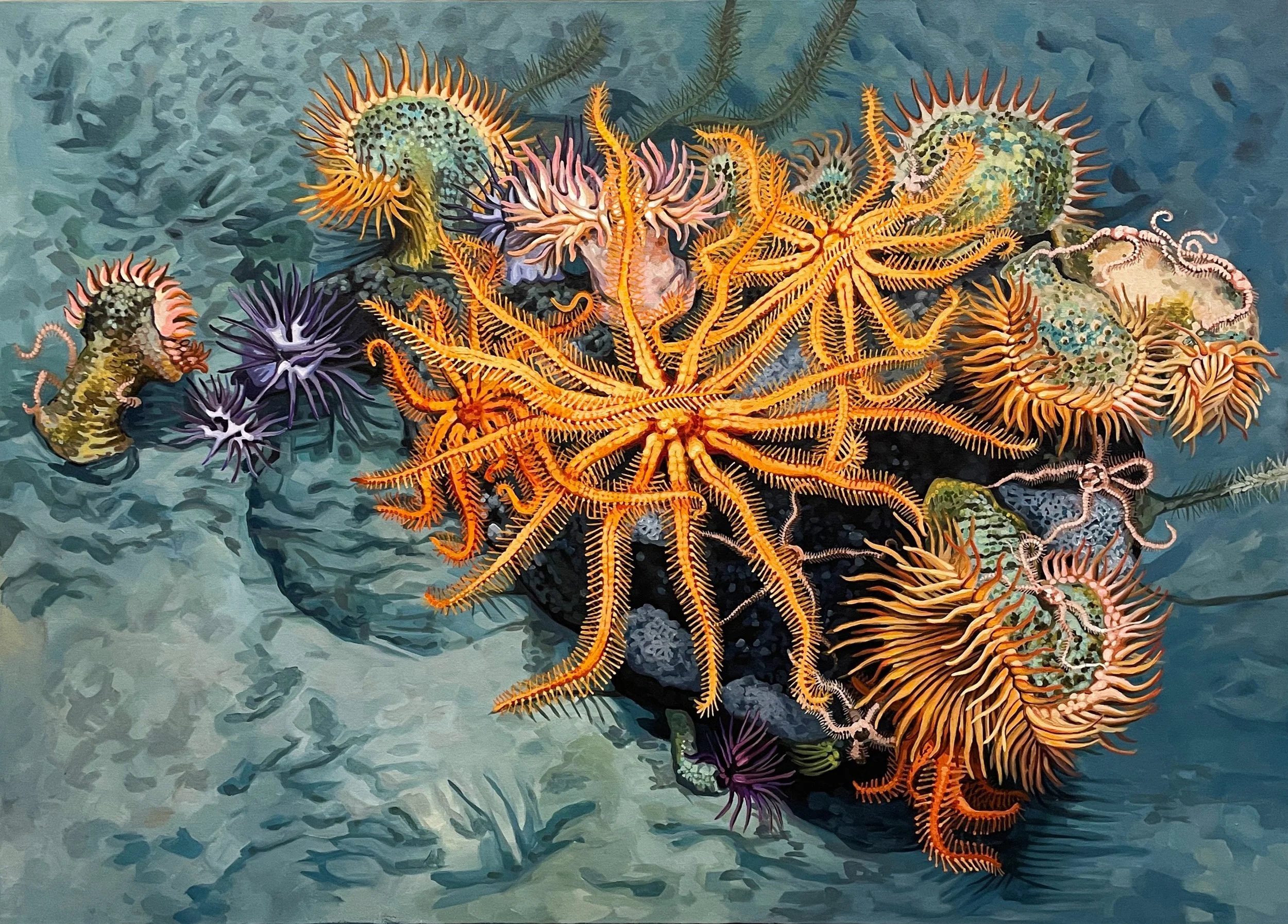
Garden of Venus
Meghan Jones has a Bachelor of Fine Arts, she primarily works in acrylic on canvas, and sometimes with graphite or colored pencils on paper. After a 20 year hiatus from painting, a chance connection with deep-sea scientists in 2023 rekindled her love for all things science, and prompted Meghan to begin a fine art career.
Her work focuses on the light, color and texture in the deep-sea below 1000m. Her modern impressionism painting style and research based art combine to raise awareness, and promote love for the deep ocean.
In 2025 Meghan co-founded the Unseen Ocean Collective; a trailblazing group of four women, three artists and a scientist, dedicated to revealing the beauty and wonder of the deep-sea through international art and science outreach events.
About Deep-Sea Mining
This session dives into one of the ocean's most urgent issues, deep-sea mining, its potential environmental impact, and why artists and scientists are joining forces to raise awareness.
Gayathra Bandara
Deep-Sea Biologist and Ichthyologist
Gayathra Bandara is a deep-sea biologist and ichthyologist passionate about exploring the biodiversity of our ocean’s most remote and fragile ecosystems. His research focuses on understanding human impacts on the deep sea, including the threats posed by deep-sea mining. As a sea-going marine biologist, Gayathra has spent over 100 days at sea, sailing across the Indian, Pacific, and Atlantic Oceans, and even into the icy waters of the Arctic. Beyond research, he’s an active science communicator and ocean advocate, working to raise awareness and protect life in the deep. In his free time, he loves solo travel and has explored more than 30 countries around the world.
Delphine Mestdagh
Artist
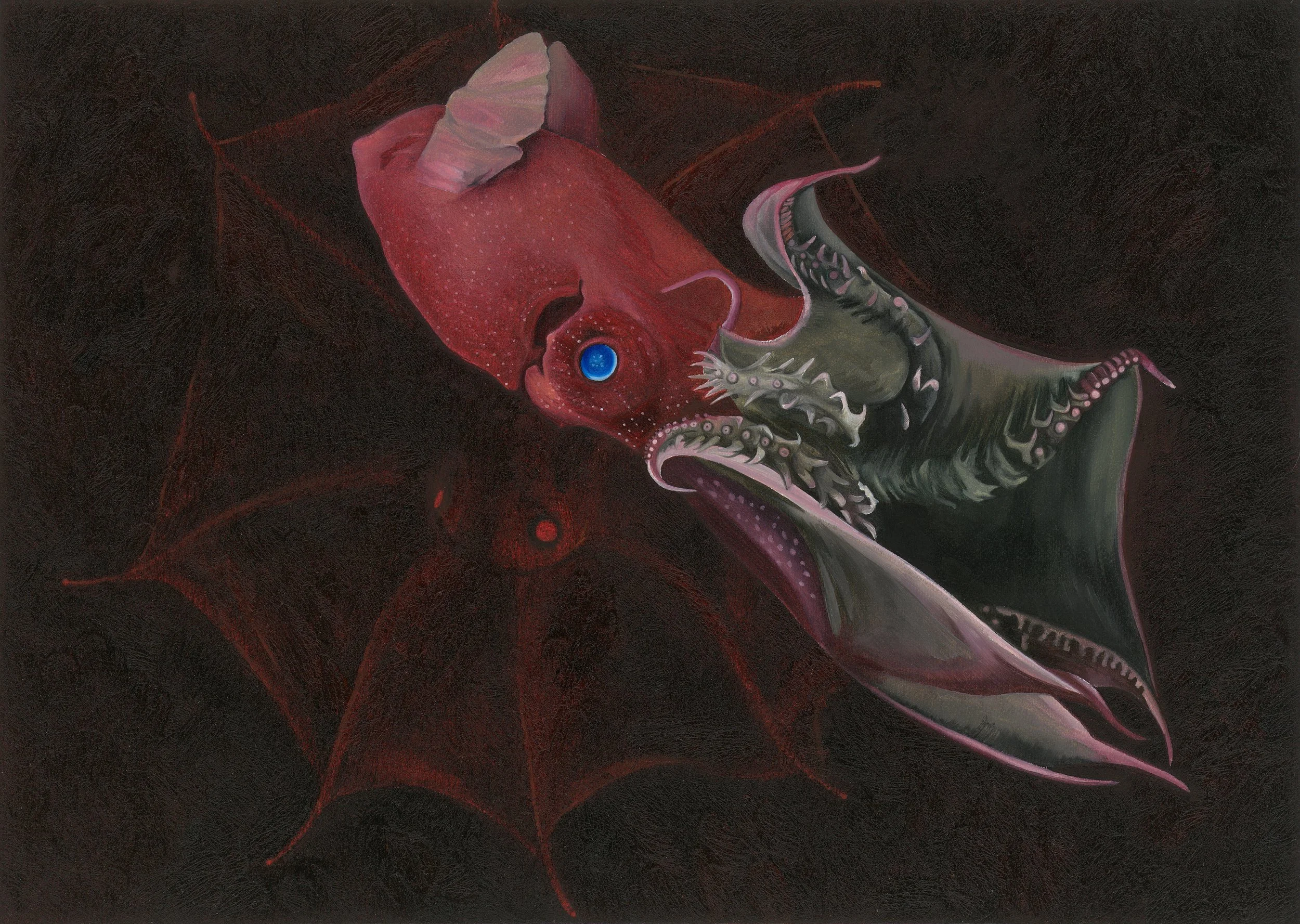
Vampyroteuthis infernalis
“Creatures that live in the deep sea are often called monsters. Since I love animals in general, I mean all animals really, it was very hard for me to hear. This initially inspired me to start painting the wonderful creatures of the deep. Granted, most animals living in the deep sea may not win beauty contests. They are not considered the fairest of them all. Yet, I wanted to defend them against this strong prejudice. I have always been prone to pity when it comes to animals, they so easily get the wrong image because they are different. When in fact they are awesome, resilient, sometimes even fairytale-like (siphonophores!), alien like (carnivorous sponge?!) Seriously, you can’t make up creatures like this. And honestly, I think they all possess a special beauty. Some because of the fairy-like light they emit, and others have beautiful colours; but above all, I have the greatest admiration for their way of life in those dark depths. With my paintings, I want to showcase these wonderful creatures in a new light. Really portray them at their best. I want to break their image. So that perhaps they will no longer be called monsters and get the admiration they deserve.”
Exploring the Deep-Sea
This session explores what it means to venture into the unknown, scientifically and artistically, and why the deep sea keeps calling us back
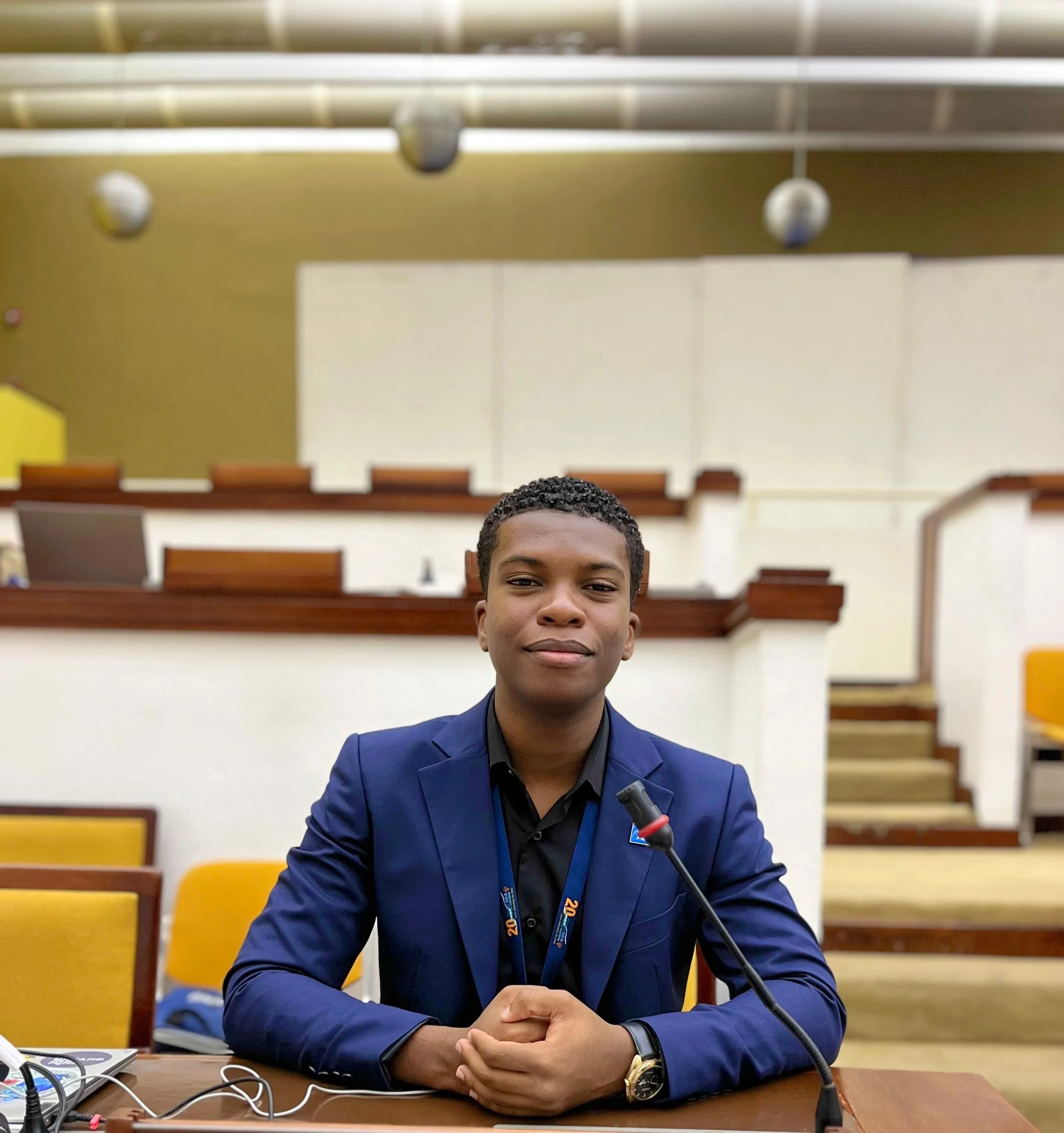
Kyle Foster is an M.Phil. candidate in Environmental Biology at the University of the West Indies, St. Augustine Campus, where his thesis has a particular focus on Deep-Sea Biology. His work aims to assess the current knowledge of Barbados’ deep-sea biodiversity – his home – in order to identify existing gaps and begin to chart a path forward in the island’s deep-sea research. He has been able to share his research at conferences such as the 17th Deep-Sea Biology Symposium in Hong Kong, and the Research Frontiers Symposium hosted by Barbados’ Ministry of Environment and National Beautification. The second part of his thesis revolves around the importance of the fishing industry’s Local Ecological Knowledge in deep-sea science, as scientific research often proves difficult for Small Island Developing States such as Barbados.
He has also combined his love for the environment with his love for writing, and has had pieces featured with Climate Tracker, Sustainable Ocean Alliance, and local newspapers such as Barbados Today.
Kyle Foster
Deep-Sea Biologist and Environmental Journalist
Lea Kannar-Lichtenberger
Artist

2021 Veits Height Unseen
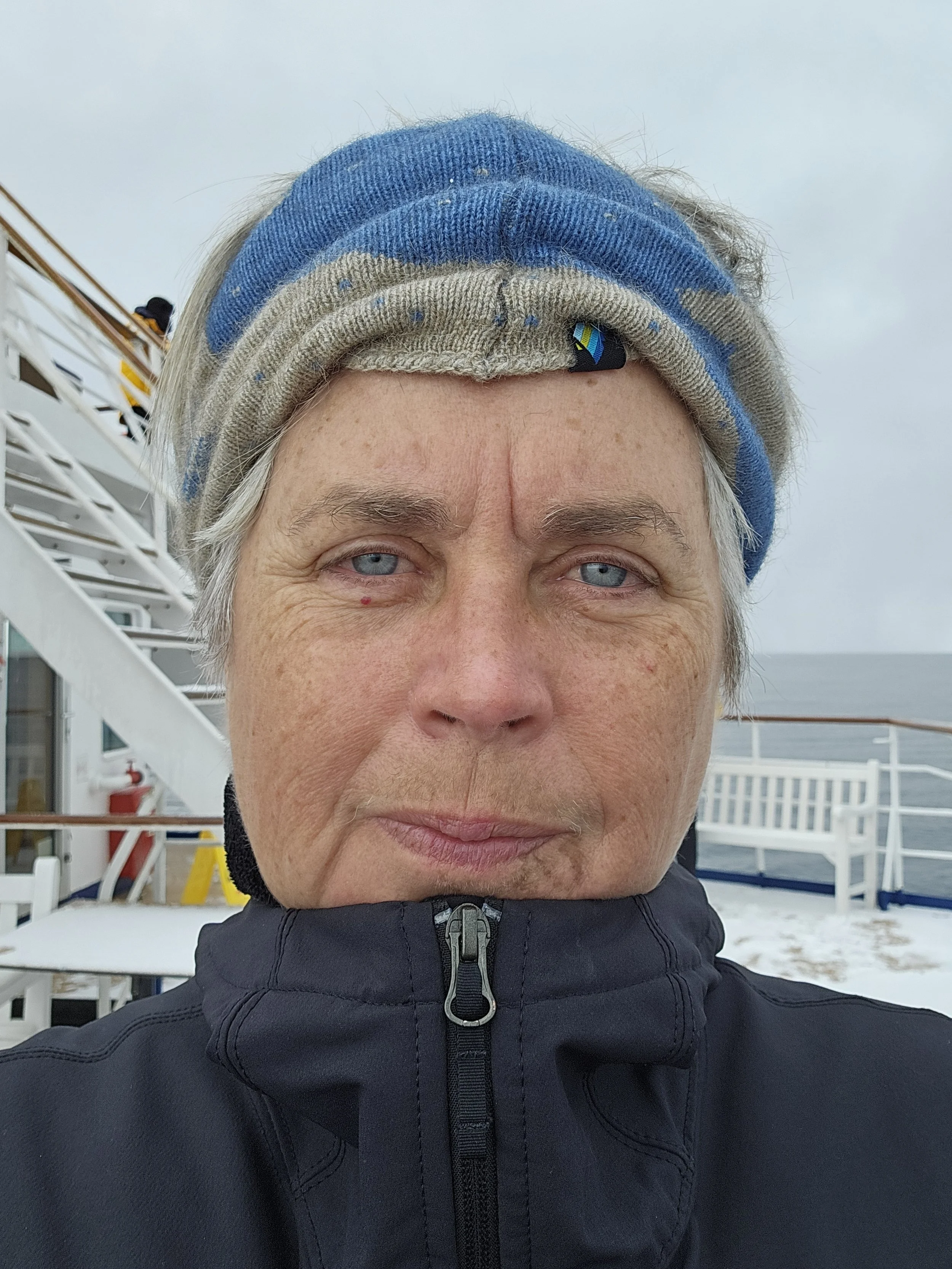
Lea Kannar-Lichtenberger is an environmental artist exploring human impact on islands and isolated environments. Through immersive residencies as artist/traveller/observer, she looks beyond travel guide rhetoric to create artworks examining the Anthropocene's impact on utopian destinations.
With a Master of Fine Art (2016) and Master of Contemporary Art (2014) from Sydney College of the Arts - University of Sydney, Lea shares her research through exhibitions in Australia and internationally. Her work appears in peer-reviewed journals and a book, and she has delivered over 20 conference papers globally. in 2025 Lea was invited to become a member of the Royal Society of NSW, having already given an open lecture there titled "Antarctica: This Ain't No Mirage - the value of art in disseminating scientific information."
Her 2017 Antarctica research featured in seven solo exhibitions across Austarlia. In 2023 her focus shifted to our polar regions with expeditions to Antarctica and Svalbard. Her art practice and writing has expanded with invitations to give two papers at SCAR (scientific Community on Antarctic Research). Her future is linked to the northern hemisphere with future expeditions returning her to Svalbard in 2025 (with Ocean Geographic under the Explorers Club Flag) & 2026 (Artica lad based research residency).
Bioluminescence
This session explores one of the ocean's most magical phenomena, bioluminescence, and the creatures that produce their own light in the darkness of the deep sea.
Emma Román
Microbial Ecologist
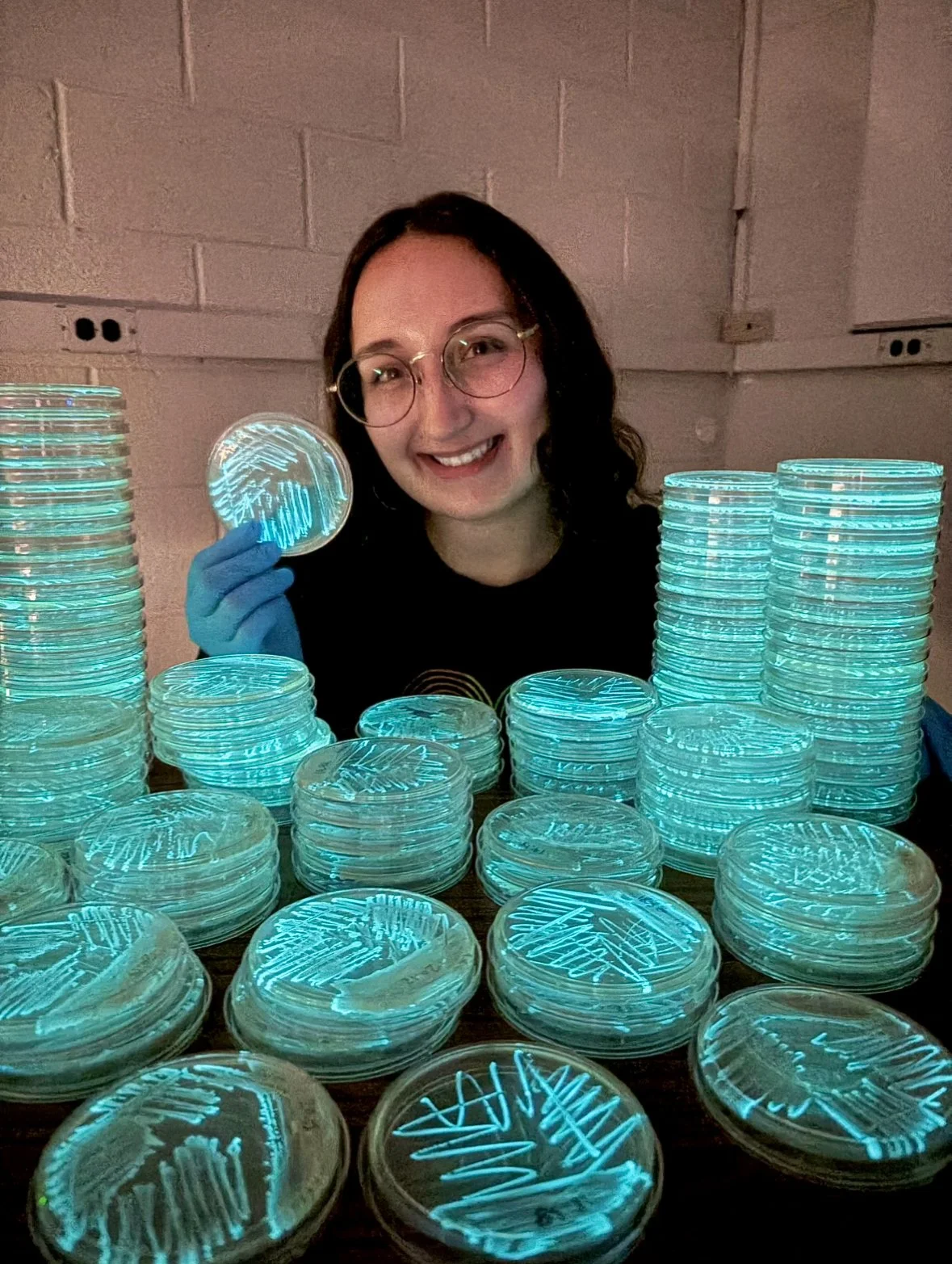
Emma Román is a PhD student in Dr. Alison Gould’s lab at Temple University, where she studies how bioluminescent bacteria form and persist inside coral-reef fish. She explores where fish find their “glow-in-the-dark” partners and how these microbial communities take shape over time. When she’s not in the lab or underwater, Emma enjoys hiking, caring for her leopard gecko, and learning to paint.
Chris Bellamy
Artist
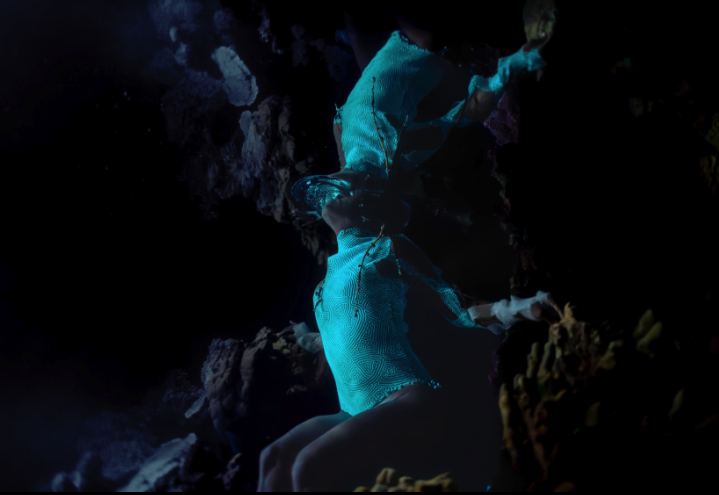
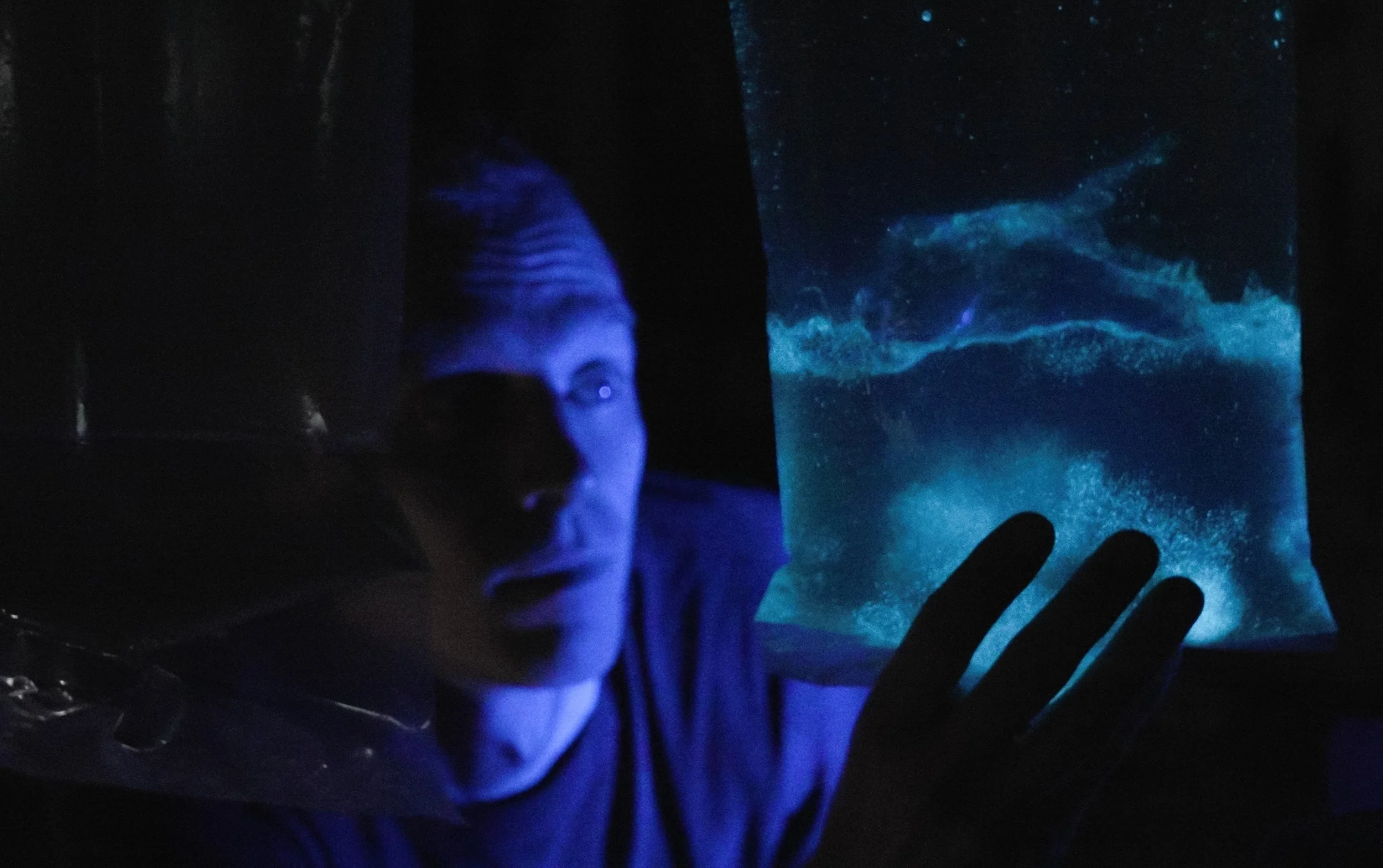
Lucid Life | Marama Ora, Living Bioluminescent Swimsuit,
Chris Bellamy is the founder of Bio Crafted, an award-winning biodesign studio exploring how living materials can reshape everyday life. After 15 years designing for global brands, Chris realised his “sustainable” innovations - like electric cars powered by coal or recyclable shoes that never get recycled - weren’t enough to meet climate goals. He now works with living systems, blending the arts, sciences and traditional knowledge to create bold, interspecies collaborations and awe-inspiring artefacts.
Policy
This session examines the laws, regulations, and advocacy efforts shaping the future of our oceans, and how artists can play a role in influencing ocean policy.
Maria Guillamont
Environmental Law
Maria Guillamont is a law student leading a coalition of law students against deep sea mining. She is interested in international and environmental law, works in ocean and mining policy, and loves to hike, scuba dive, and cook.
Dodd Holsapple
Artist
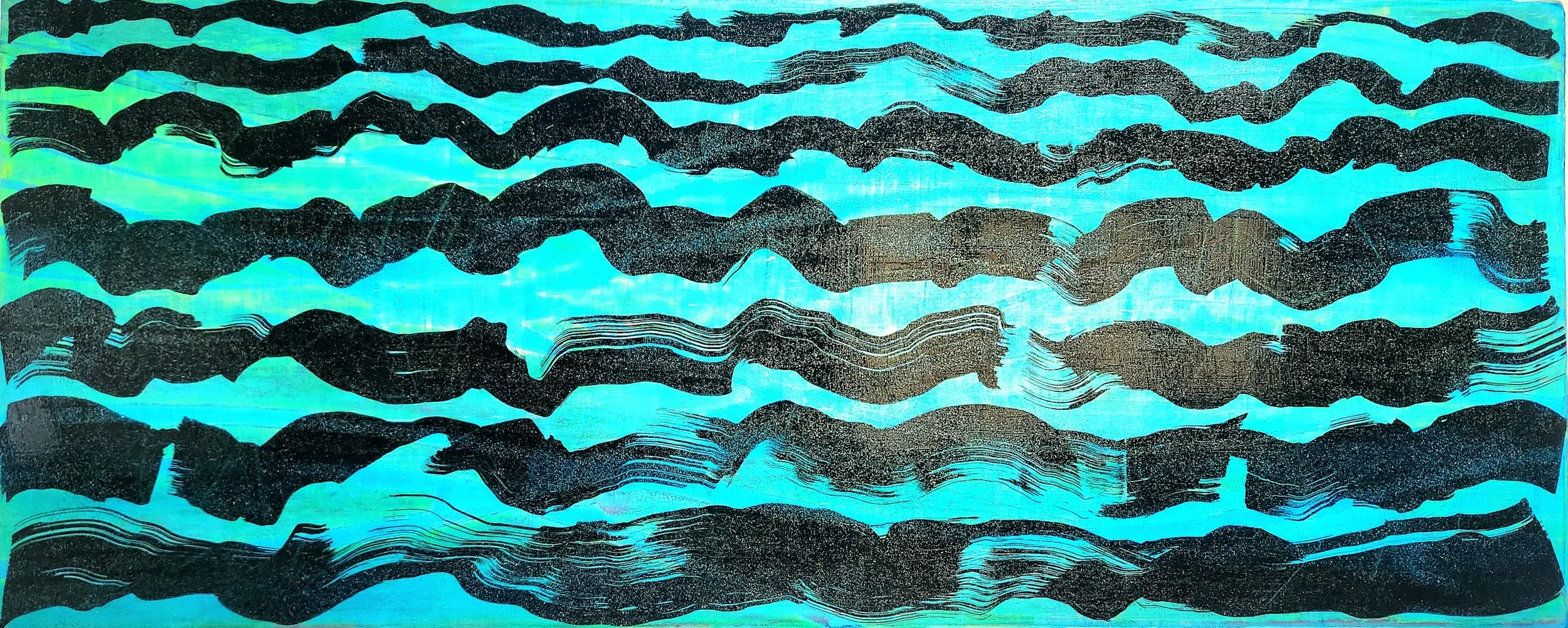
Dodd Holsapple / Visual Artist graduated from Ball State University, Indiana USA / BFA’s Drawing and Painting. Mr. Holsapple actively produces contemporary visual artwork in a wide range of mediums. Dodd created the inventive and widely popular Living Sculptural Works / View Planter Series, which was extensively published, exhibited, and featured in a televised documentary about progressive contemporary sculpture and architecture.
Dodd has completed several public art installations focused on environmental awareness and social connectivity with notable solo and group exhibitions at Universities, museums and galleries featuring his recognizable style. Holsapple has been included in leadership and environmental podcasts and showcased a landmark live painting event at Budman Studio, WNDW, Venice California. Internationally published in magazines and periodicals, Dodd's work was included in the 5th Annual US Congress Climate Assessment. In October 2023 “See Glass Again” Public Art Installation was completed in Loncari Croatia, the largest public art installation in the country. His work continues to gain international exposure through exhibitions and numerous Artist in Residence programs.
Ocean Influence on Climate
This session explores the critical relationship between the ocean and our climate, how the sea regulates temperature, stores carbon, and what its changes mean for life on Earth.
Mickey Rogers, Ph.D.
Atmospheric Chemist
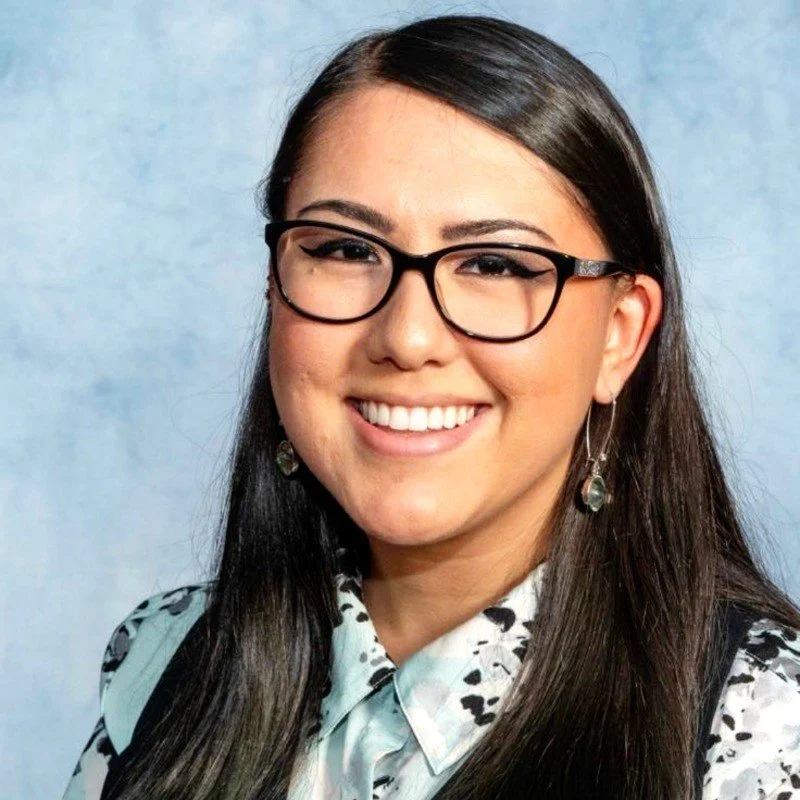
Born in Ohio and raised along the Lake Erie coast, Mickey turned her love for water into an actionable science policy career. Mickey Rogers, Ph.D. is an atmospheric chemist and was most recently a Research Fellow at Pacific Northwest National Laboratory where she led novel, nature-based carbon capture research on airborne algae to unravel the complex interactions between ocean and climate. Co-Founder of the Pacific Northwest Hub of Sustainable Ocean Alliance (SOA) and now Co-Chair of the SOA DMV Hub—part of the world’s largest youth-led ocean advocacy network—Mickey has spearheaded outreach initiatives from deep-sea conservation to hands-on science briefings with members of Congress. Mickey is a newly appointed 2025-2026 Science, Technology, and Policy Fellow with the American Association for the Advancement of Science and is working at the Department of Energy. Passionate about science education, she champions research at the ocean-climate nexus and advocates for the seamless integration of scientific evidence into policy.
Nilanjana Das
Artist
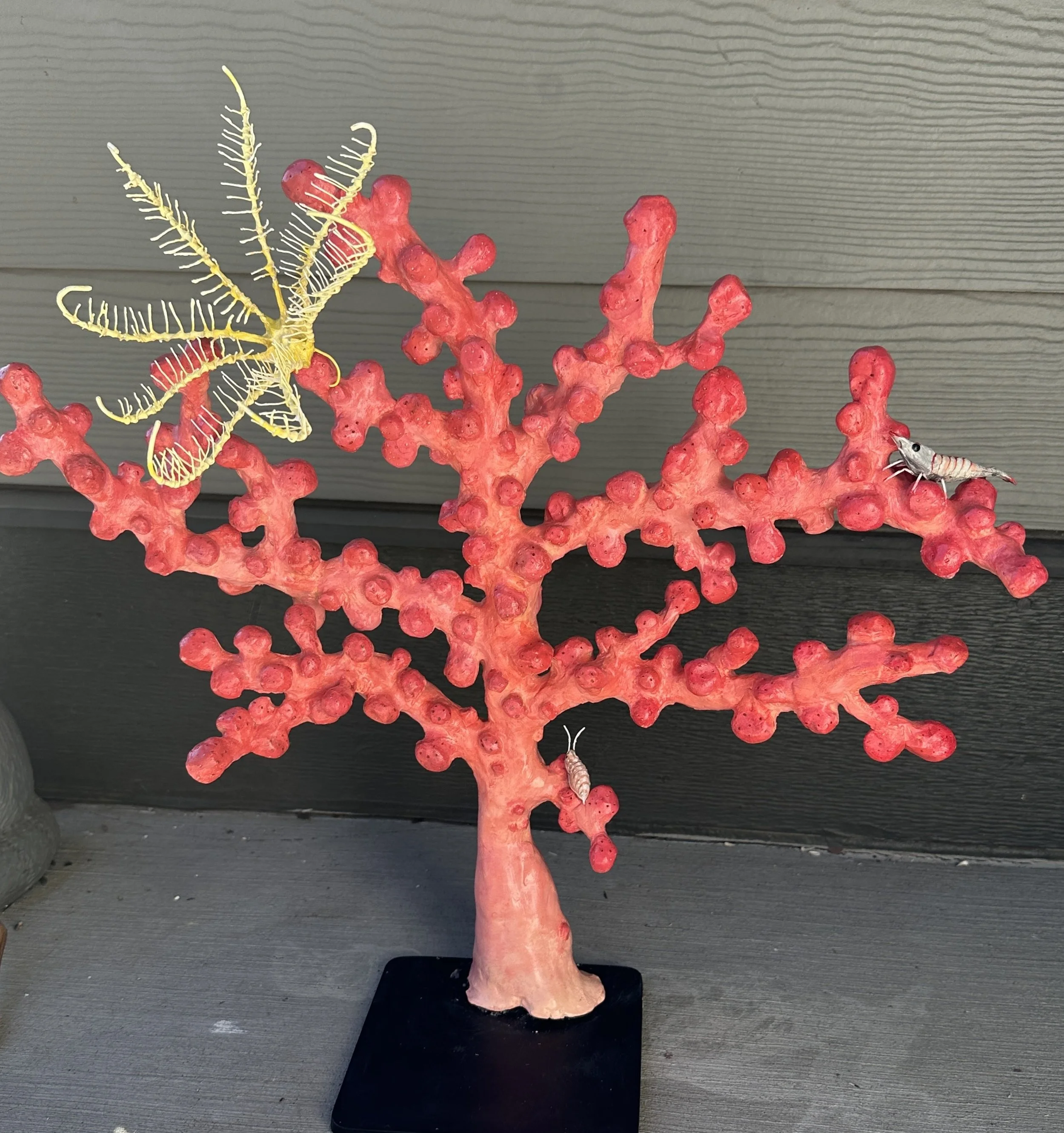
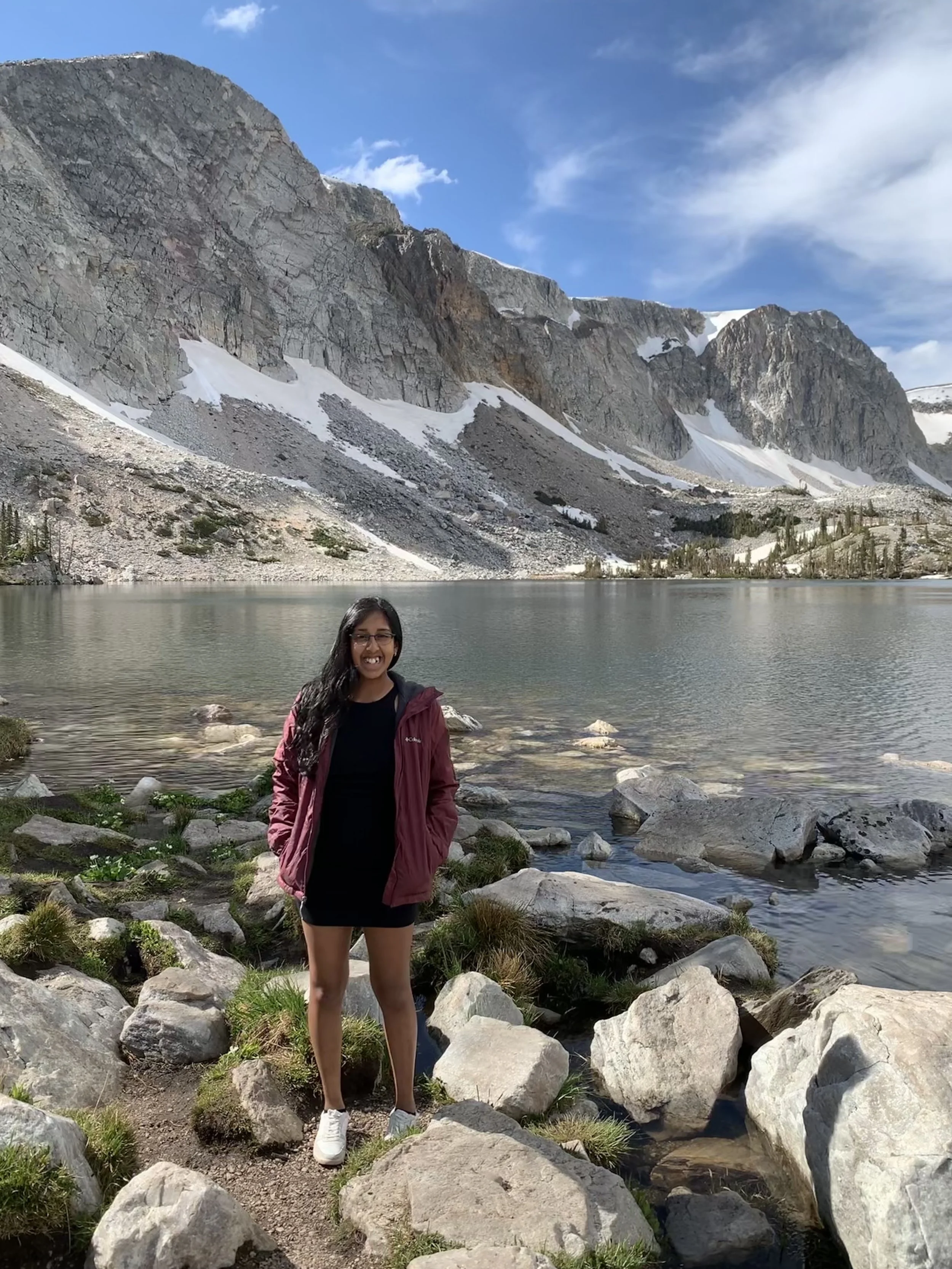
Nilanjana Das is a Corvallis-based interdisciplinary artist and PhD student in Microbiology at Oregon State University. Her work bridges fish parasitology and large-scale sculpture, revealing the hidden worlds that shape life in Pacific Northwest waters. From pathogenic microbes that impact salmon, to deep-sea corals and sponges that build entire ecosystems, Nilanjana aims to transform complex science into immersive visual experiences. Now creating with the Unseen Ocean Collective, she’s crafting life-sized sculptures of deep-sea habitats and their invertebrate residents — reminding us that even the ocean’s darkest places are vibrant, fragile, and worth protecting.
Being on a Research Vessel
This session offers a firsthand look at life and work aboard a scientific research vessel, and what it takes to study the ocean from the inside.
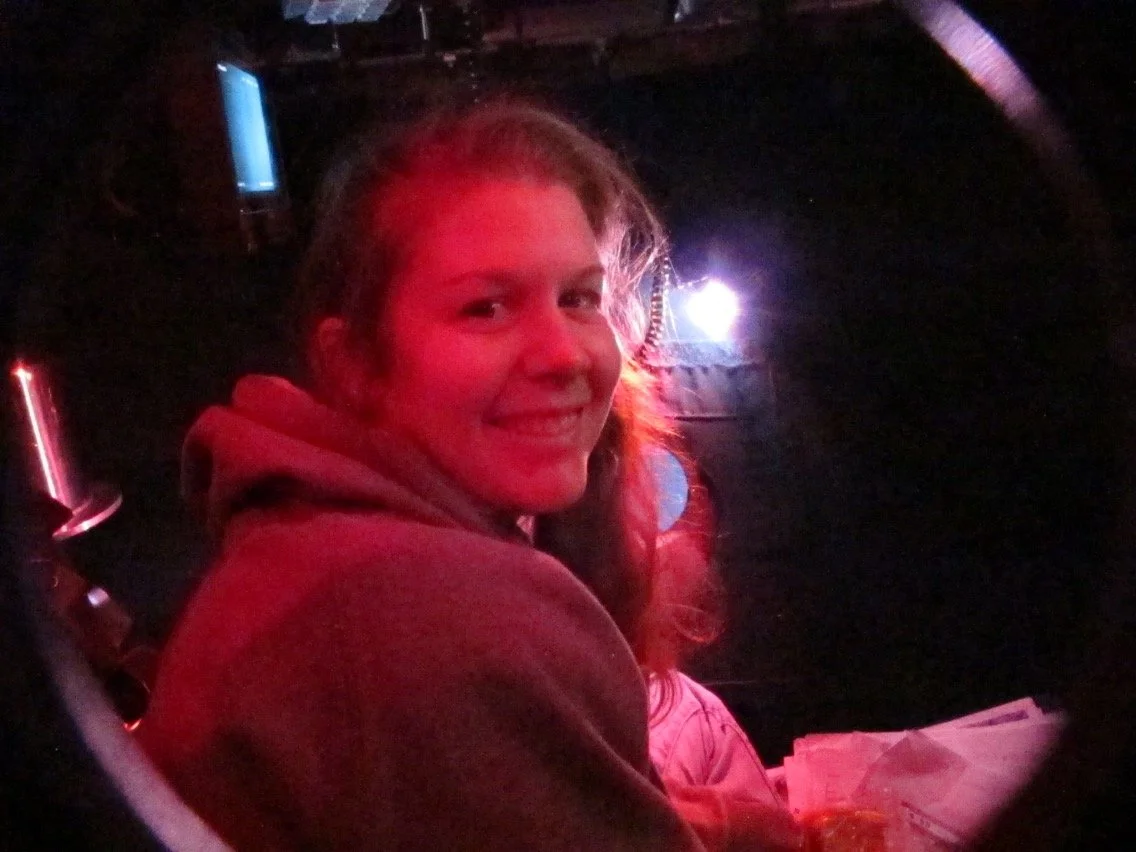
Anne Hartwell
Deep-sea scientist, explorer, and mapper.
Anne Hartwell is a deep-sea scientist, explorer, and mapper. Anne earned degrees in Oceanography (PhD, MS) and Geology (BS), and certificates in Geospatial Science, Ocean Mapping, and College Teaching. In 2014, Anne dove 1.8 miles down to the bottom of the ocean in the HOV Alvin, a 3-person science submarine. Seeing the vibrant and dense community of ocean critters during that dive propelled her research focus into understanding links between the deep-sea environment (bottom material and shape, temperature, chemistry, etc.) and the life (octopus, corals, ect.) living in it.
Understanding those links is paramount for understanding how life on the seafloor may respond to disturbances or changes, and for predicting where else on the seafloor similar communities could exist. Anne has spent ~208 days at sea, in roles of scientist, underwater robot navigator, and ocean mapper. Anne also enjoys science related outreach, and in her current role she introduces young children to science through play and simple experiments.
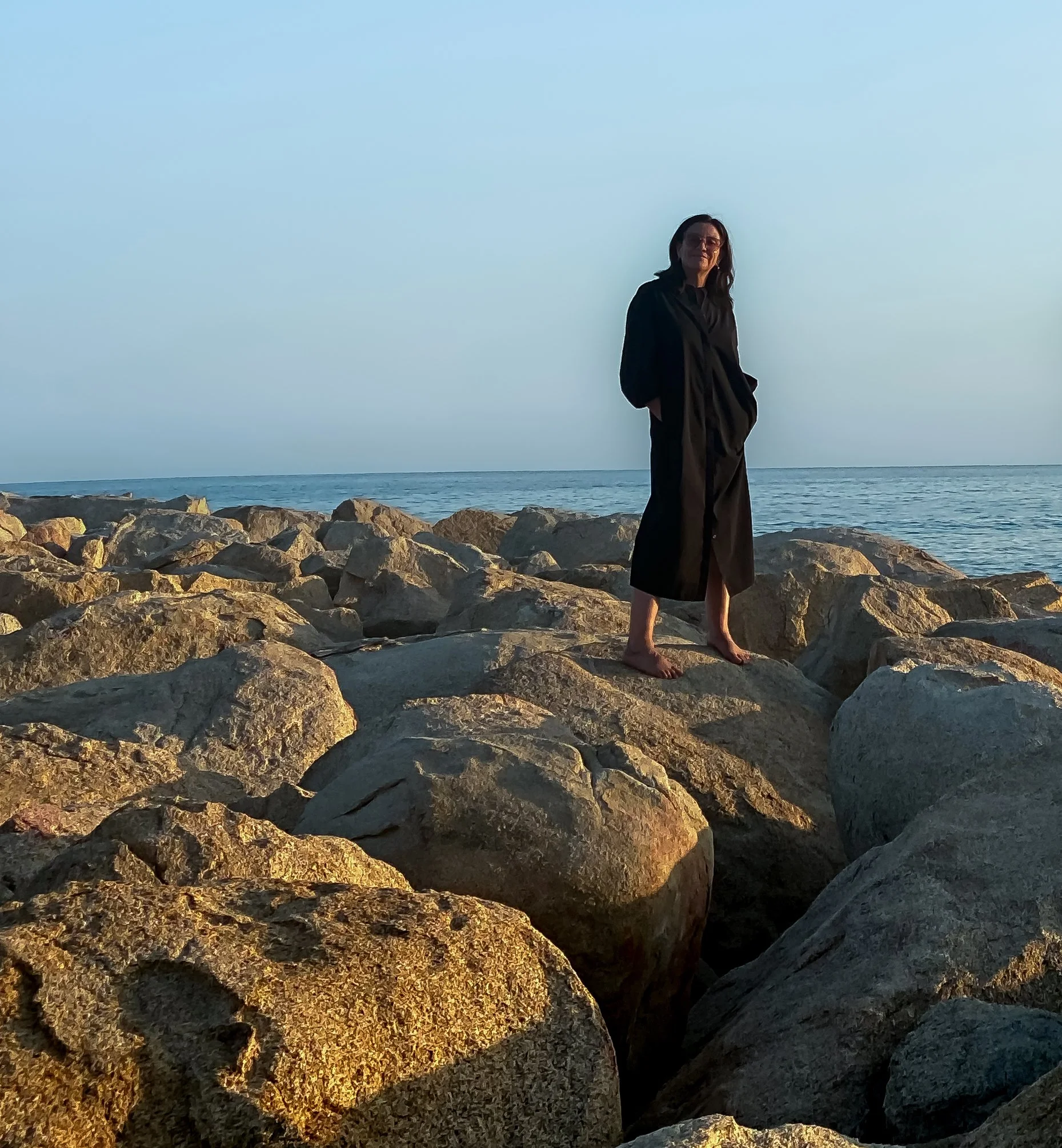
Ale de la Puente
Artist
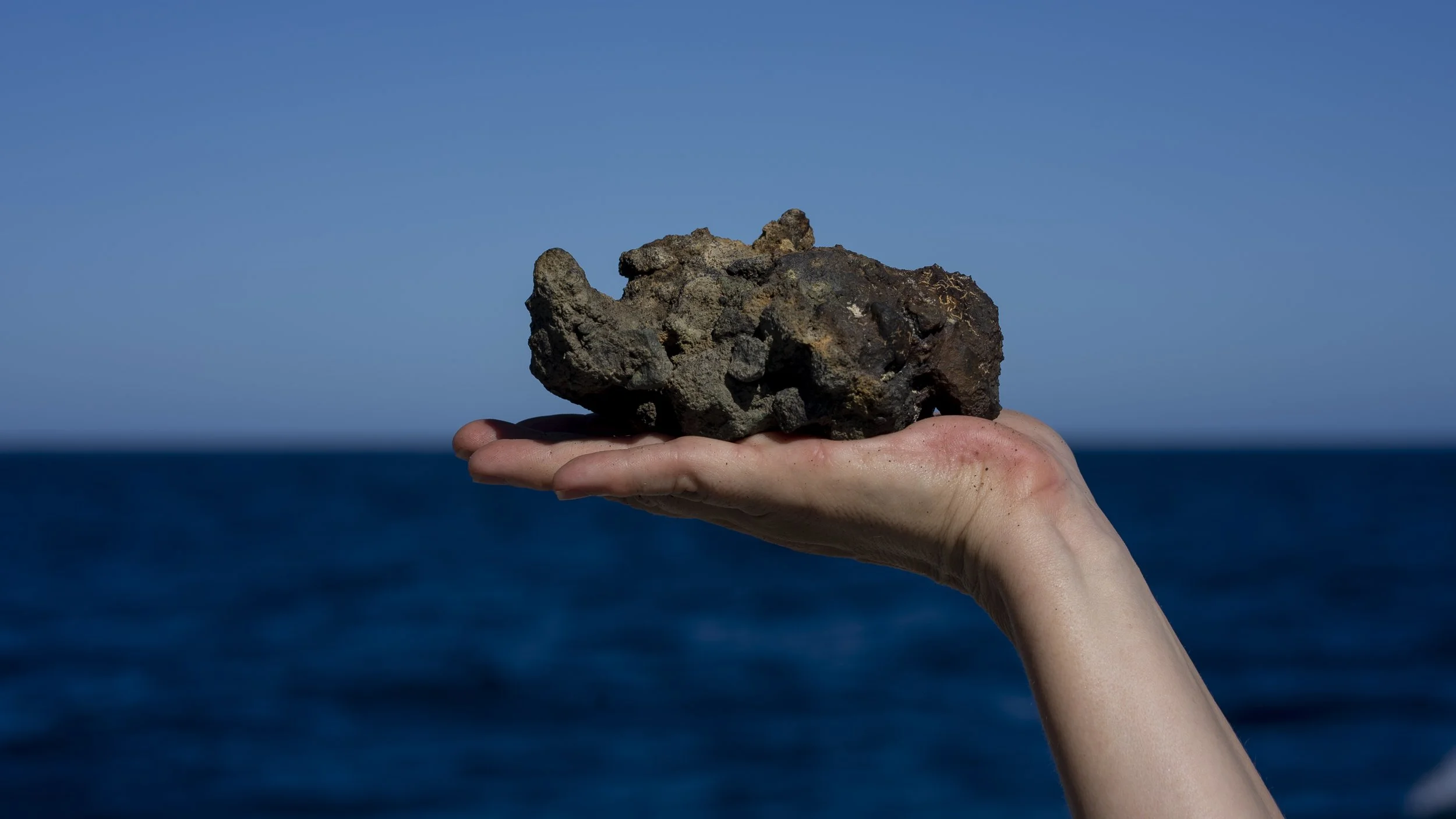
Ale de la Puente (MX) is an artist with a diverse background that includes industrial design, jewelry, textiles, shipbuilding, navigation, astronomy, physics, and philosophy. Her work explores notions of time and space through a wide range of media, including installations, sculptures, drawings, photography, and video, as well as art and science expeditions in search of symbolic natural phenomena, the meanings we give them, and our relationships with them.Her work approaches the unreachable and ungraspable, from outer space to the deep sea, caves, time, space, physics, currently and historically, in philosophy and sciences. She recently participated in the StudioQuantum residency in Johannesburg and the Schmidt Ocean Institute's Artist at Sea residency in the Gulf of California.
She has collaborated with scientists from the Institute of Astronomy and Nuclear Sciences of UNAM on her work; she is a member of the National Fellowship of Creators; she received an honorable mention from Collide@CERN Ars Electronica (Geneva, Switzerland), and currently continues to collaborate with scientists from that institution. She has received awards from the ACT (art-science-technology) program of the Ministry of Culture and UNAM, the Cenart Multimedia Center, the SIVAM Foundation, and the Pollock-Krassner Foundation, among others.
Deep-Sea Baby Creatures
This session shines a light on the fascinating and little-known larvae and juvenile creatures of the deep sea, the next generation of ocean life that most of us have never seen.
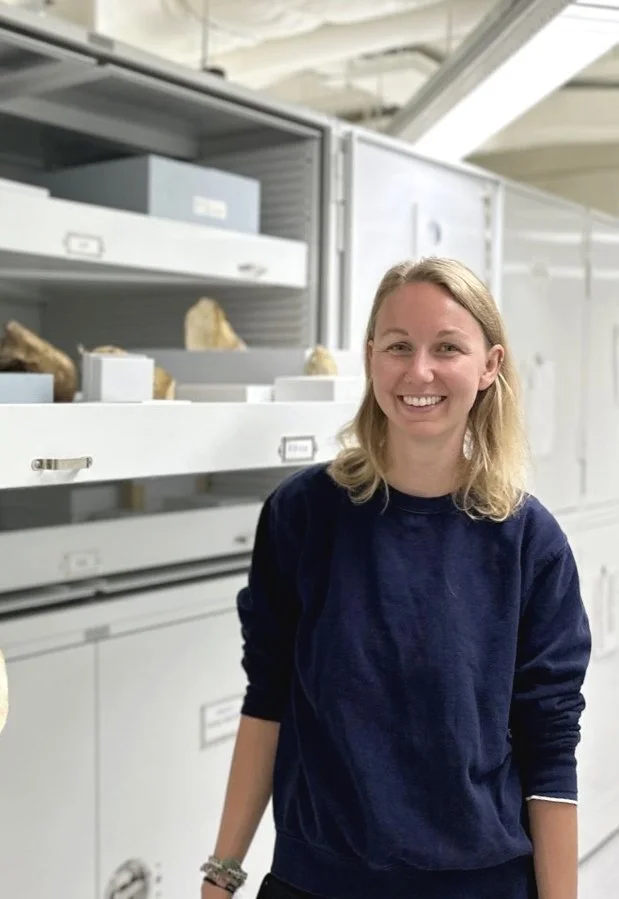
Lara Maleen Beckmann
Marine Biologist
Lara Maleen Beckmann is a marine biologist and PhD researcher at the University of Gothenburg, Sweden, where she studies the biodiversity and life strategies of deep-sea corals and sponges. Her work combines fieldwork, museum collections, microscopy, and video analysis to uncover the unknown biology of these organisms and explore the hidden ways they reproduce, care for their young, and survive in the deep ocean. Co-founder of the Unseen Ocean Collective @unseenoceancollective, Lara brings deep-sea science to life through collaborations with artists and public outreach events. By combining science and creativity, she aims to share the wonder, beauty, and ecological importance of the ocean with a wider audience.
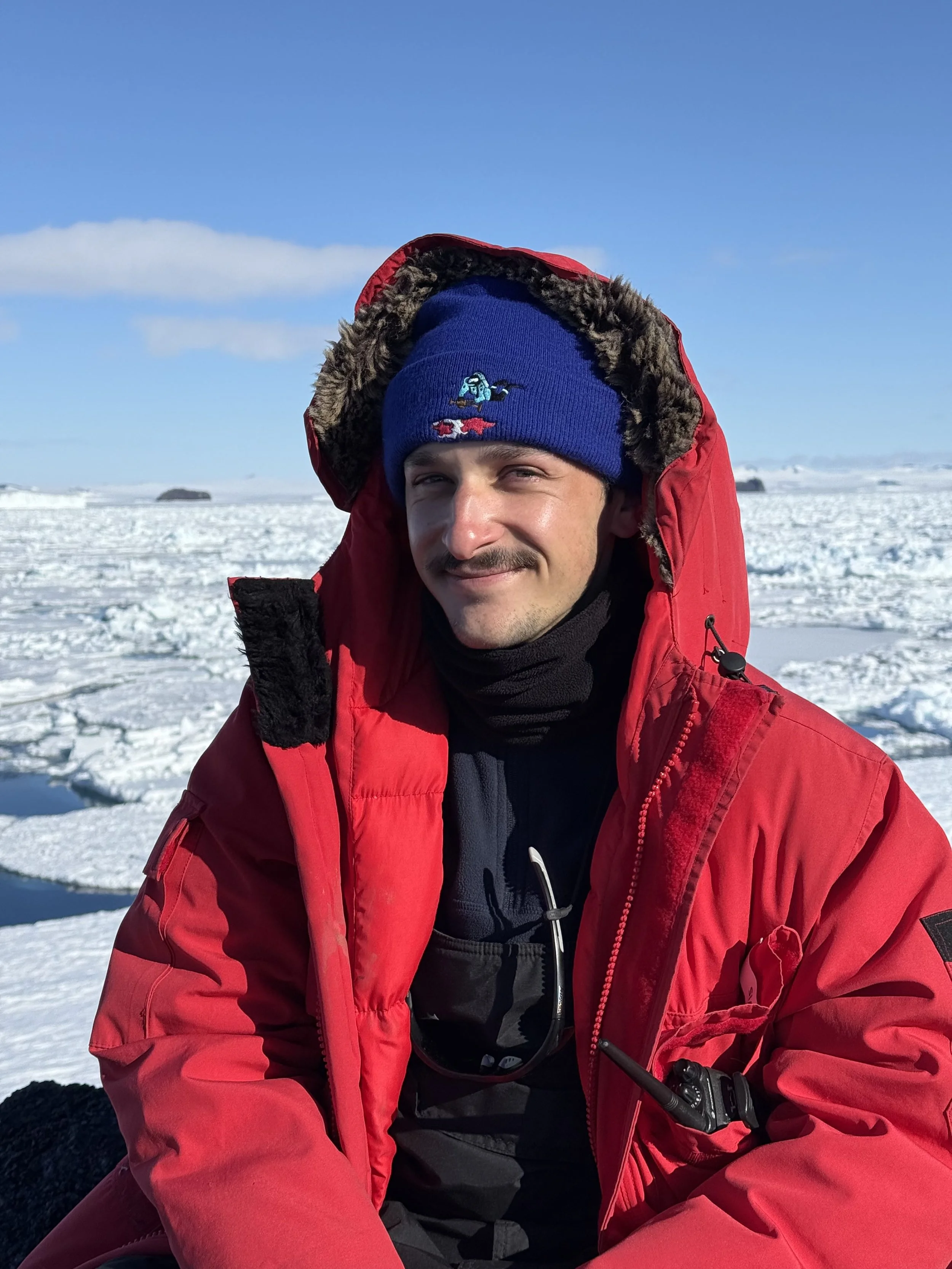
Dexter Davis
Artist
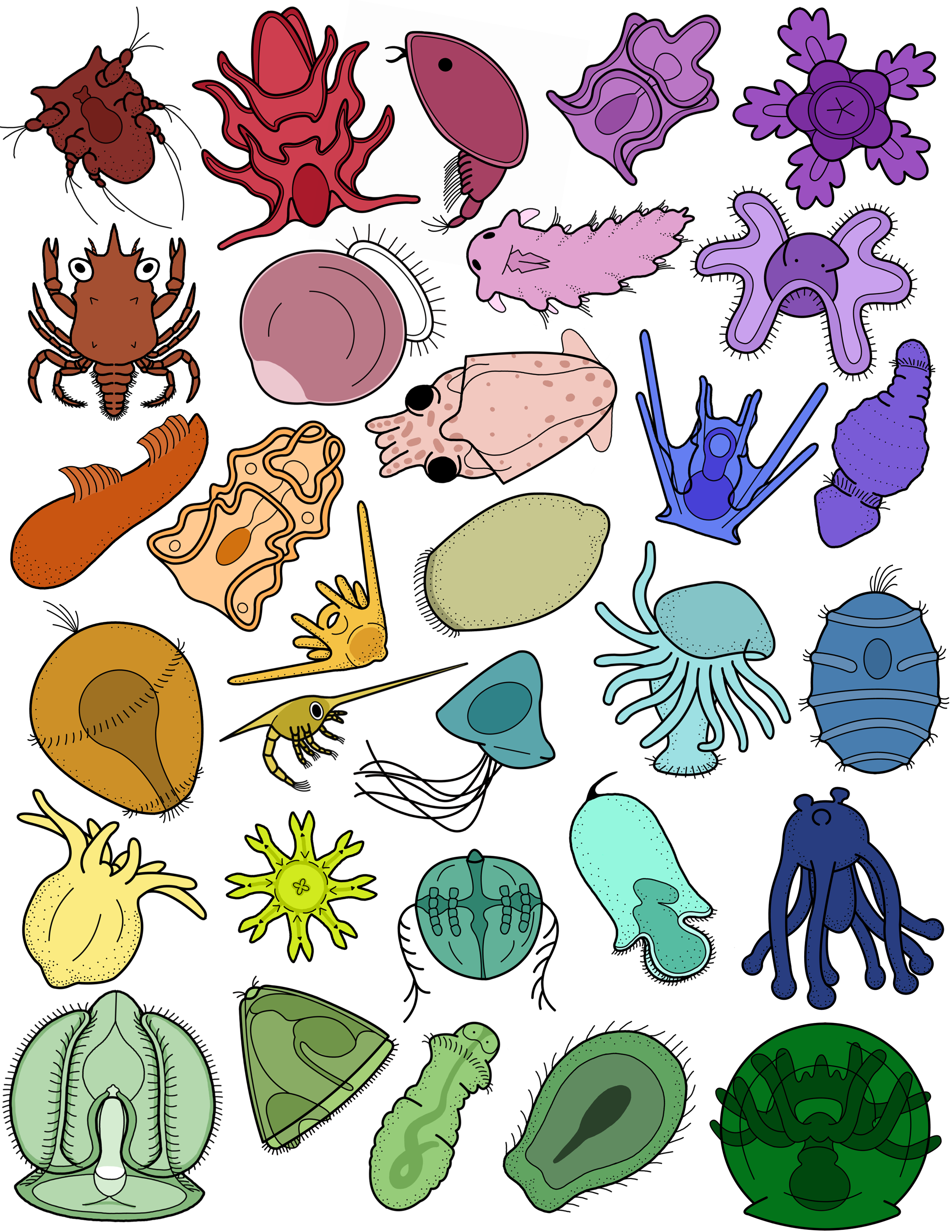
Dexter Davis is a self-taught artist and master's student at the University of California Santa Barbara where he is studying how infauna (sediment-dwelling animals) respond to and use seeping methane in McMurdo Sound, Antarctica. Before graduate school, Dexter was a research technician in a deep-sea and nearshore larval biology lab (@larvallab) studying larval dispersion, settlement cues and symbiont acquisition in chemosynthetic habitats (hydrothermal vents / methane seeps). While spending hundreds of hours sorting plankton samples under the microscope at sea and on shore, he became inspired by the unique forms of marine invertebrate larvae with their diverse shapes, textures, and colors. He uses his art to spread awareness of unique marine habitats, showcasing fauna that many people have never seen before, with the goal of educating people about and protecting these fragile ecosystems.
When the Deep-Sea goes Viral
In this session, we look at the expedition from Falkor (too) to Argentina’s Mar del Plata Canyon, where a “big-butt” starfish went viral.
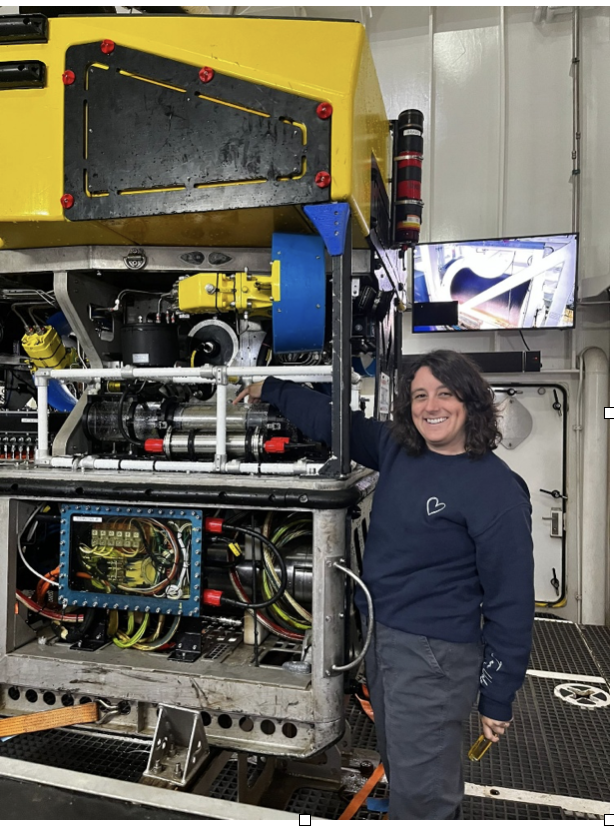
Photo: Dr. Weston with her novel all-ocean-depth zooplankton sampler, DeepZoo, mounted on the Schmidt Ocean Institute’s ROV SuBastian during a 2025 expedition to the Mar Del Plata Canyon off the coast of Argentina.
Johanna Weston
Deep-Ocean Ecologist
Dr. Johanna Weston is a deep-ocean ecologist whose research explores the biodiversity, connectivity, and functioning of “island-like” ecosystems, such as submarine canyons and trenches deeper than 6,000 meters. Her work centers on research-driven storytelling about benthic invertebrates with outsized ecological roles, using them to understand how environmental conditions shape communities and genetic connectivity, how past oceans influence present-day diversity and distributions, and how human activities are altering the deep sea. One such story is Eurythenes plasticus, a tiny amphipod from the Mariana Trench that reveals the far-reaching — and troubling — reach of plastic pollution into one of Earth’s most remote ecosystems. To address urgent questions about marine biodiversity across scales, Dr. Weston integrates fields of ecology, natural history, geosciences, and engineering, and employs advanced tools including deep-ocean vehicles, genomics, and 3D X-ray imaging. Her work has led her on eight international research expeditions, publications on animals from all five oceans, the discovery of nine new species (including two new genera), and the development of a novel all-ocean-depth zooplankton sampler. As a National Geographic Explorer, she is committed to sharing the creative practice of deep-ocean science and enjoys working with artists to bring the deep sea to life through drawings, museum exhibits, and other visual media.
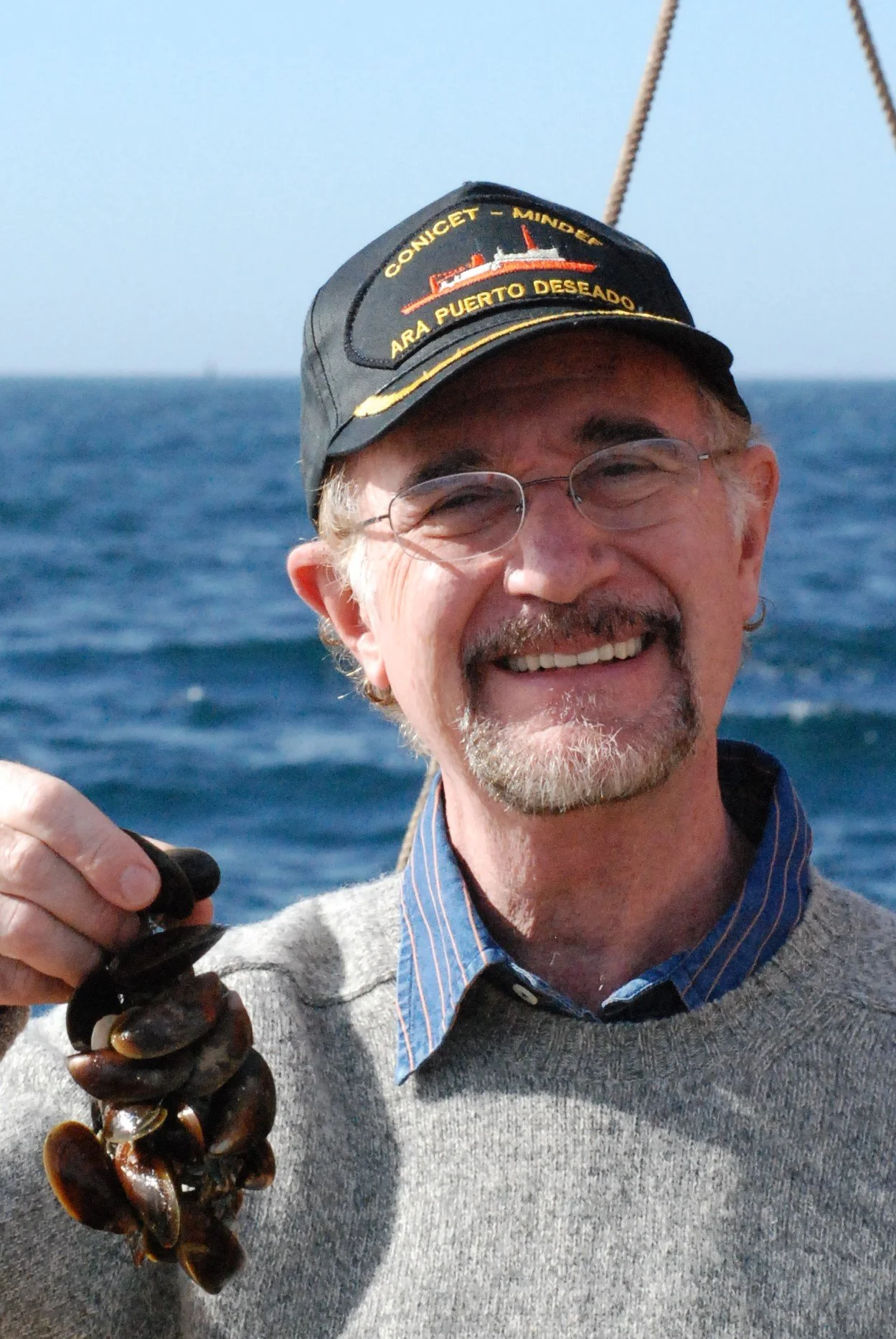
Pablo E. Penchaszadeh
Artist
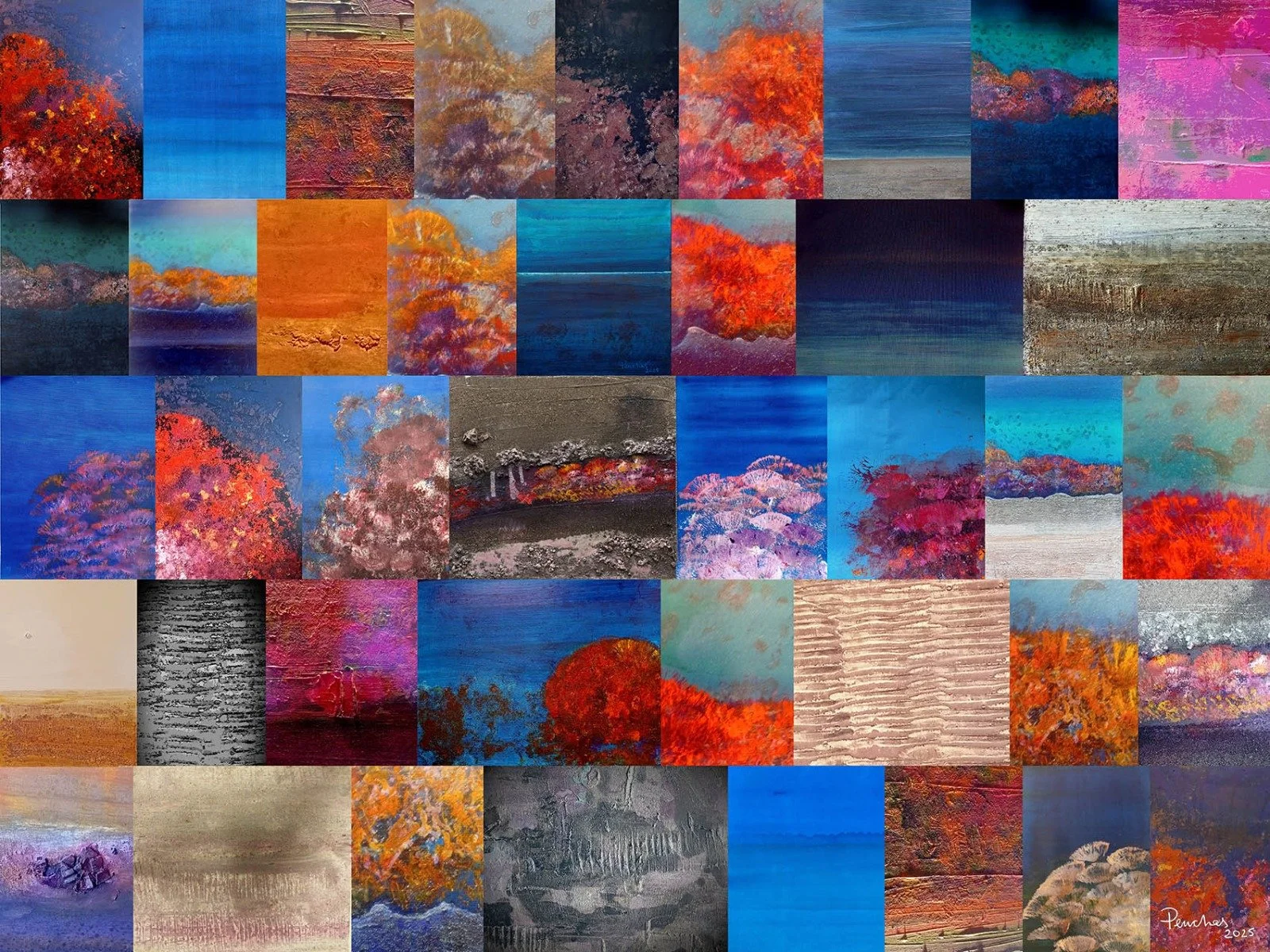
Pablo E. Penchaszadeh is affiliated with the Museo Argentino De Ciencias Naturales – Conicet. He was born and raised in Buenos Aires, Argentina. During the summertime, his family used to relocate to Mar del Plata, a coastal city. As a marine biologist, he had the opportunity to explore environments with great luminosity and open spaces. His prolonged stay in Venezuela, where he was a Full Professor at the prestigious Universidad Simón Bolívar, made him master the handling of colors with a great tropical influence. His work also addressed environmental contamination, thermoelectric impacts, and mercury transfer through trophic chains. Throughout his career, teaching and mentoring young scientists remained central to his mission. His search of textures and transparencies led him to experiment with very varied substrates, mediums and techniques. Pablo was the Artist at Sea for the Schmidt Ocean Institute for the Underwater Oases of the Mar Del Plata Canyon
In our final session, we sit with a question that has quietly shaped every Reef Chat conversation: what does it mean to perceive the deep sea on its own terms? Not through fear, not through fantasy, but through genuine curiosity and a willingness to meet it where it lives.
Perceiving the Deep-Sea on Its Own Terms
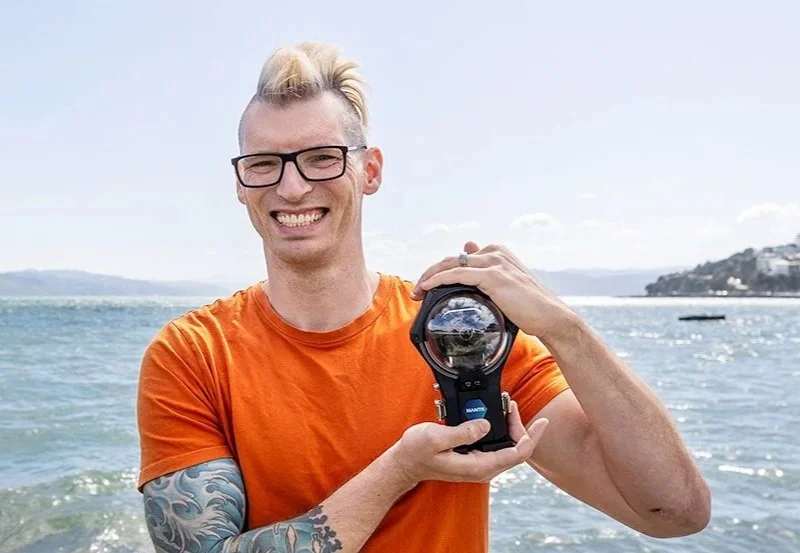
Dr. Thom Linley
Curator of Fishes
Dr Thomas Linley is a Curator of Fishes at the Museum of New Zealand Te Papa Tongarewa, moving after falling in love with New Zealand and the museum collection during his research into the Kermadec Trench.
Thom specialises in deep-sea demersal (living close to the bottom) fishes from 4000 m depth and deeper. He is particularly interested in their ecology and distribution; how they live down there, and why they are found in some places and not others. He has an interest in developing the technology that allows deep-sea studies and exploring ways to make it smarter and less costly. His desk is often covered in cables and the guts of electronics.
Thom likes to explore different ways of communicating science to reach as many people as possible. He frequently gives public talks to offer a fun and accurate portrayal of the deep sea.
He studied in the UK at Aberystwyth, Bangor and Aberdeen Universities and has industry experience in marine survey and environmental monitoring. Thom has over 800 days of seagoing experience...but still gets seasick.
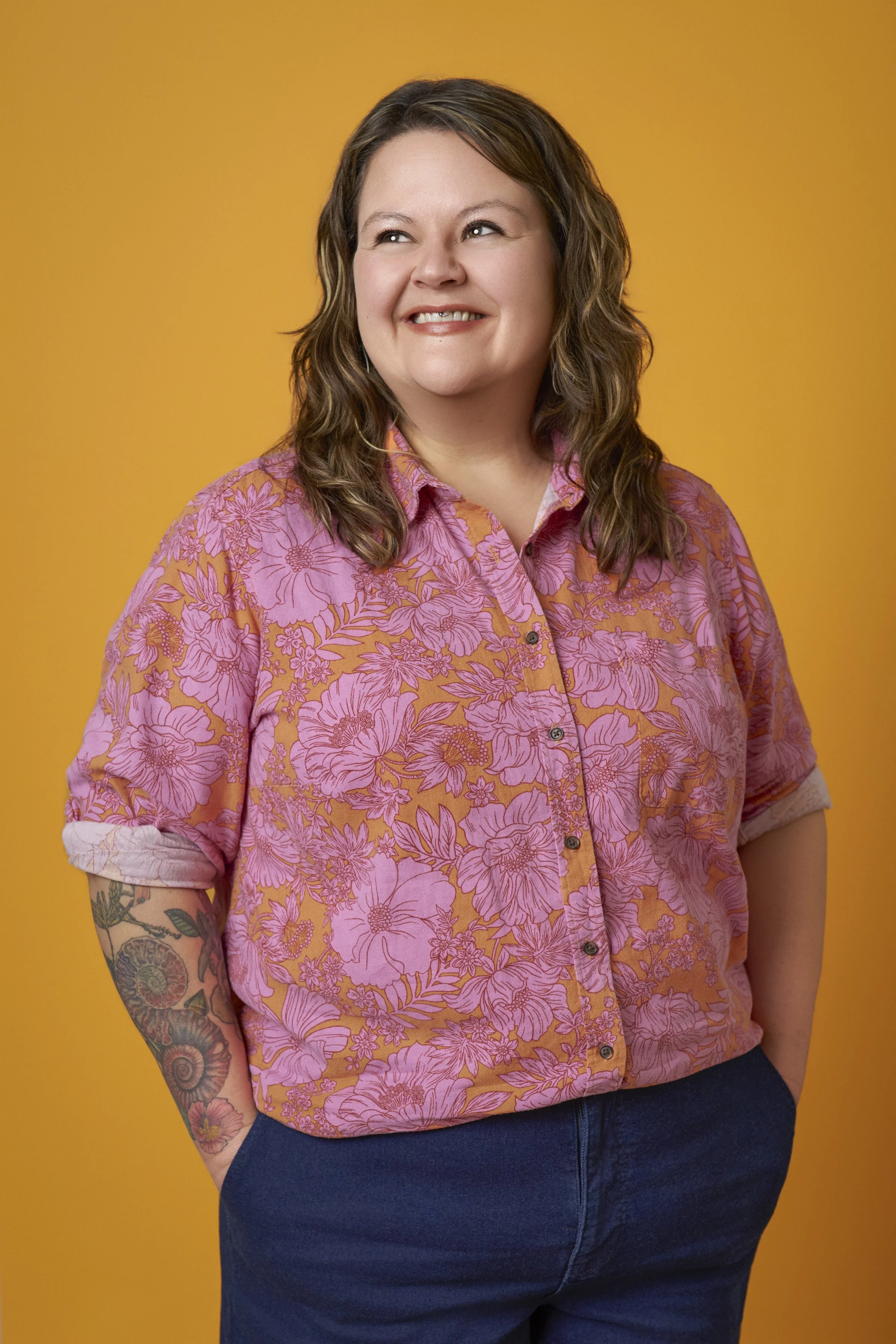
Meghan Jones
Artist and Author
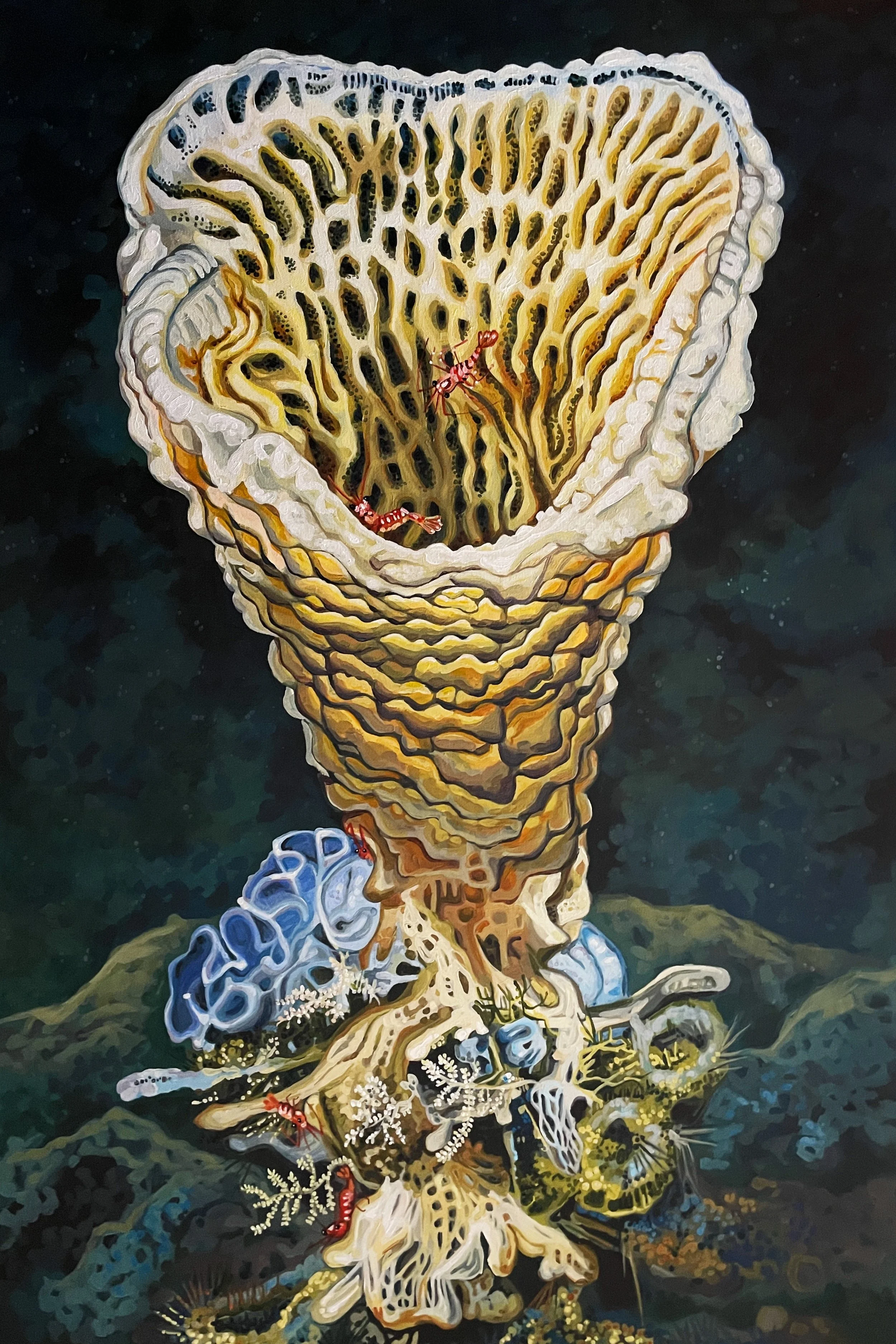
Radiant Cornucopia, acrylic on canvas, 24x36" 2026
Meghan Jones has a Bachelor of Fine Arts, she primarily works in acrylic on canvas, and sometimes with graphite or colored pencils on paper. After a 20 year hiatus from painting, a chance connection with deep-sea scientists in 2023 rekindled her love for all things science, and prompted Meghan to begin a fine art career.
Her work focuses on the light, color and texture in the deep-sea below 1000m. Her modern impressionism painting style and research based art combine to raise awareness, and promote love for the deep ocean.
In 2025 Meghan co-founded the Unseen Ocean Collective; a trailblazing group of four women, three artists and a scientist, dedicated to revealing the beauty and wonder of the deep-sea through international art and science outreach events.
Brian Maurer
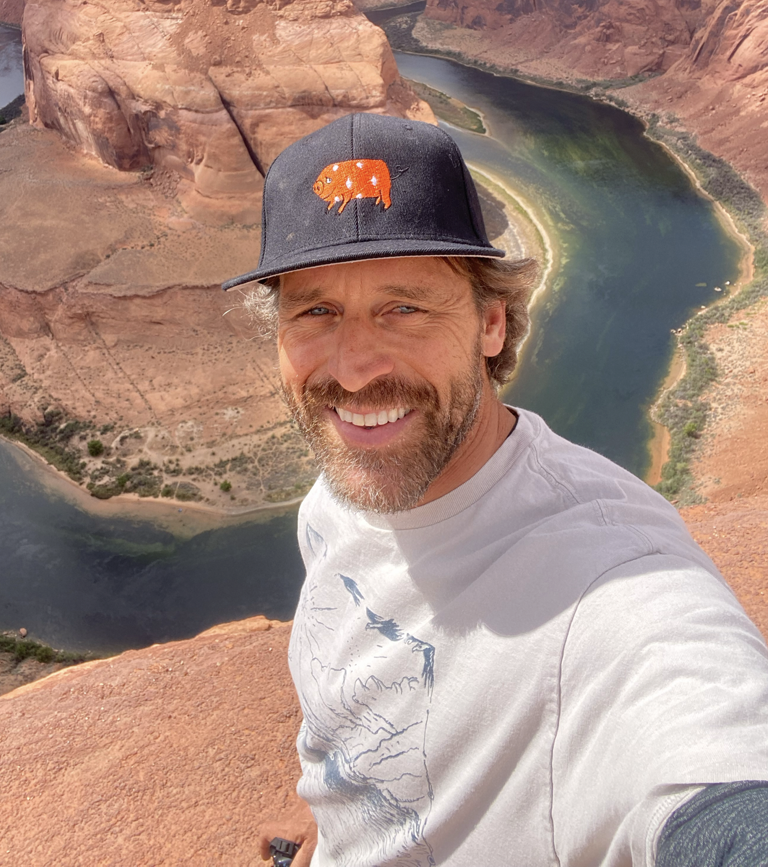
Manager of Life Support Systems
Brian Maurer has worked at Monterey Bay Aquarium since 2014, where he manages design, operation and maintenance of the seawater and HVAC systems. Brian’s connection to the deep sea was forged when he led development of specialized life support systems to recreate deep sea water conditions in support of the Into the Deep exhibition, involving years of research and trial-and-error. Many of the animals featured in this exhibition are collected from the submarine canyon offshore of Monterey. Prior to joining Monterey Bay Aquarium, Brian completed a M.S. in Biological Oceanography at Moss Landing Marine Laboratories and worked with ballast water treatment systems and aquatic invasive species. In his free time, Brian enjoys spending time with his family, surfing, hiking, and exploring new places.