What Is an Art Residency? A Complete Guide to Artist & Virtual Residencies
Art residencies have long served as creative retreats, places where artists step away from everyday routines and immerse themselves in focused exploration. As the art world shifts, so does the structure of residencies. Alongside traditional in-person programs, a new model has gained momentum: the virtual art residency, which opens creative opportunities to artists across distances, disciplines, and life circumstances.
This guide covers what an art residency is, how residencies support artists, how virtual residencies work, and why programs like Moku Art Studio’s Ocean Virtual Art Residency create meaningful, accessible pathways for artists who care about the ocean and our wider environment.
What Is an Art Residency?
An art residency, also called an artist residency, is a structured program that offers artists time, space, community, and support to focus deeply on their creative practice. Residencies vary widely: some take place in quiet forests or rural landscapes, while others are hosted by universities, cultural foundations, museums, or artist-run spaces.
Most residencies offer some combination of:
Workspace or studio access
Mentorship, critiques, or workshops
A temporary cohort of fellow artists
Tools, equipment, or research resources
Opportunities to exhibit, publish, or share work
Time away from daily distractions
At their core, residencies give artists something rare and valuable: uninterrupted time to think, explore, and create.

Why Do Artists Join Residencies?
Artists choose residencies for many different reasons, but common motivations include:
Time and Focus
Residencies create space for experimentation, new projects, and work that needs concentrated attention.
New Perspectives and Community
Connecting with other artists, whether in person or virtually, sparks conversations, collaborations, and ideas that often continue long after the residency ends.
Professional Growth
Residencies strengthen CVs, portfolios, grant applications, and future opportunities.
Creative Breakthroughs
Leaving familiar routines, even digitally, often leads to new methods, directions, or questions within an artist’s practice.
What Is a Virtual Art Residency?
A virtual art residency (also known as an online or remote artist residency) is a residency conducted entirely online. Instead of relocating, artists participate from wherever they live.
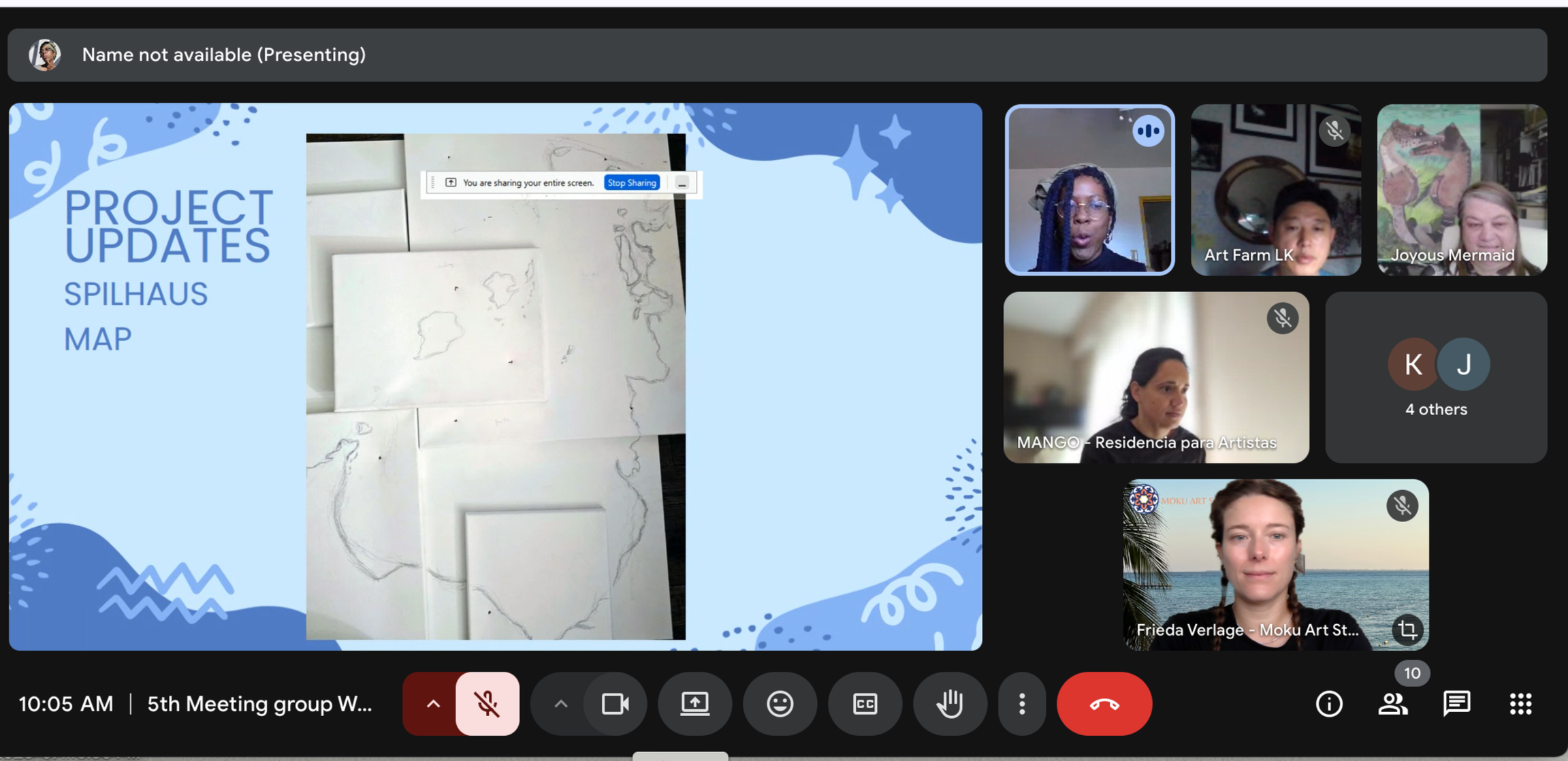
Virtual residencies often include:
Weekly meetings with the cohort
Critique sessions and mentorship
Guest lectures or workshops
Research support and shared resources
Online exhibitions or publications
Community spaces to share works-in-progress
The intention mirrors that of physical residencies: to nurture creative growth, but with the added flexibility and accessibility of a digital format.
Why Virtual Artist Residencies Matter
Virtual residencies offer advantages that traditional programs sometimes cannot:
1. Accessibility
No travel, visas, childcare adjustments, or lodging costs. Anyone with an internet connection can join.
2. A Global Creative Community
Artists from different cultures and time zones work side by side, enriching conversations and widening perspectives.
3. Flexibility
Artists can maintain jobs, caregiving, studies, or community commitments while still engaging in focused creative development.
4. Sustainability
No flights or long-distance travel, which lowers the ecological footprint.
5. Lower Cost
Virtual programs often have reduced fees because they don’t maintain physical facilities.
6. Alignment with Contemporary Practice
Many artists today work across digital media, research, writing, sound, and interdisciplinary fields. Online spaces support these practices especially well, offering room for discussion, experimentation, and long-form thinking.
Why Virtual Residencies Are Shaping the Future
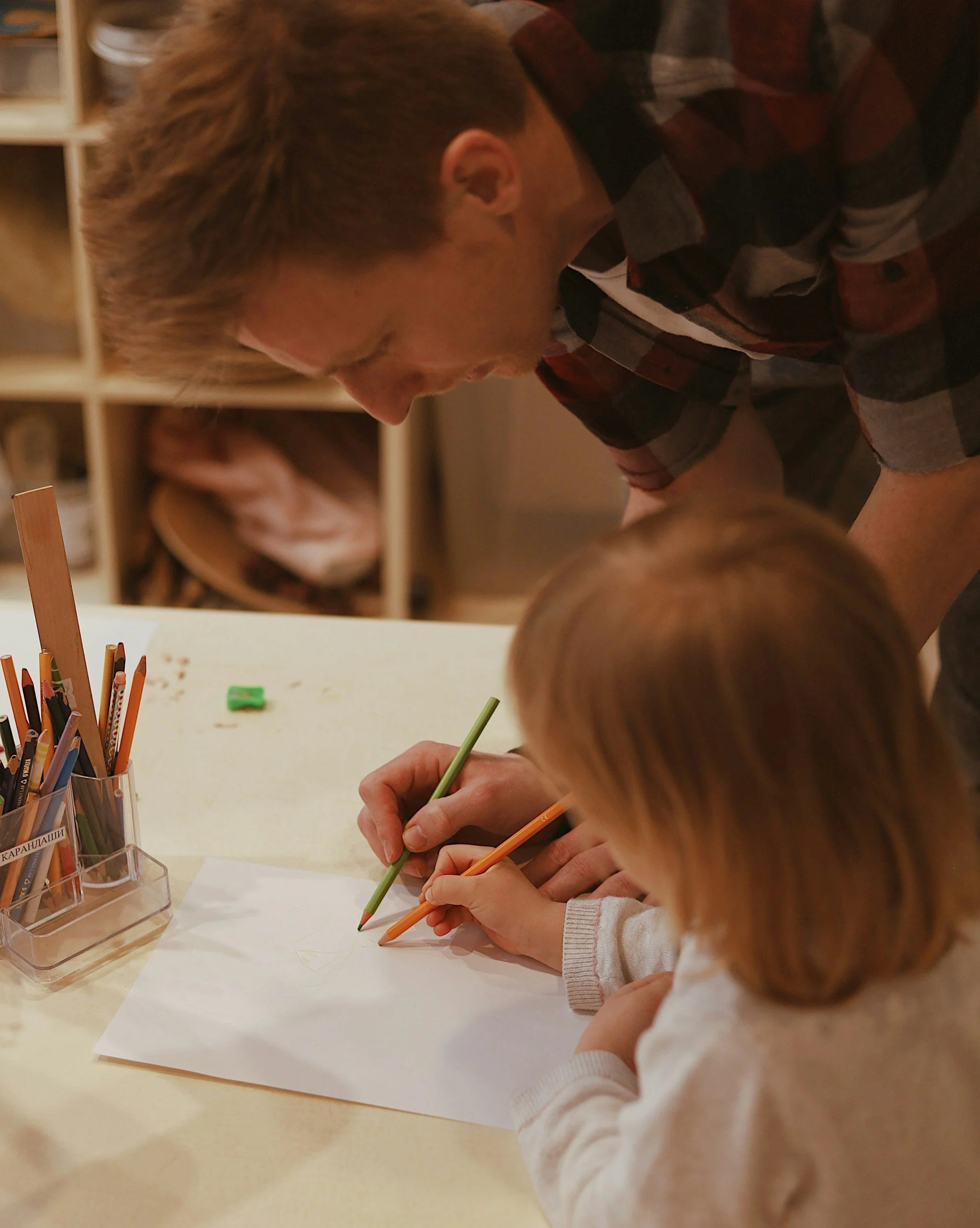
Because virtual residencies remove geographic and financial barriers, they make creative opportunities more inclusive. They open doors for:
Artists with limited mobility
Parents and caregivers
Artists facing visa or travel restrictions
Creatives living in remote regions
Students and emerging artists
Interdisciplinary practitioners
Artists with demanding work schedules
These programs widen participation and allow more artists to connect, collaborate, and grow.
Common Concerns About Virtual Residencies (and How Good Programs Solve Them)
Some artists worry that virtual programs might feel disconnected. Strong virtual residencies address this through:
Thoughtful scheduling across time zones
A balance of structure and personal work time
Engaging discussions and shared creative practices
Recorded sessions when needed
Encouraging ongoing collaboration after the program ends
When the structure is intentional, virtual residencies feel just as connected and creatively energizing as in-person programs.
How to Apply for an Art Residency (Including Virtual Programs)
Most applications include:
An artist statement
A project proposal
Work samples
A short bio or CV
Questions about your goals or process
Tips for a Strong Application
Be clear and focused. Propose a project you can realistically explore during the residency.
Show continuity. Explain how your proposal grows from your current practice.
Align with the residency’s mission. For ocean-related programs, share your connection to the ocean, ecology, climate, or place.
Be specific. Instead of saying “I want time to create,” explain the questions or themes you want to explore. Give clear outcomes if you already have them in mind.
For virtual programs: Mention tools, digital workflows, or how remote collaboration supports your process.
These details help reviewers understand how you’ll make the most of the opportunity.
About Moku Art Studio’s Ocean Virtual Art Residency
Moku Art Studio’s Ocean Virtual Art Residency, an endorsed activity of the UN Ocean Decade, brings together artists who are invested in ocean knowledge, conservation, education, engagement, environmental storytelling, and creative research.
The residency is designed for artists who want to deepen their practice while connecting with a supportive international community.
Our program includes:
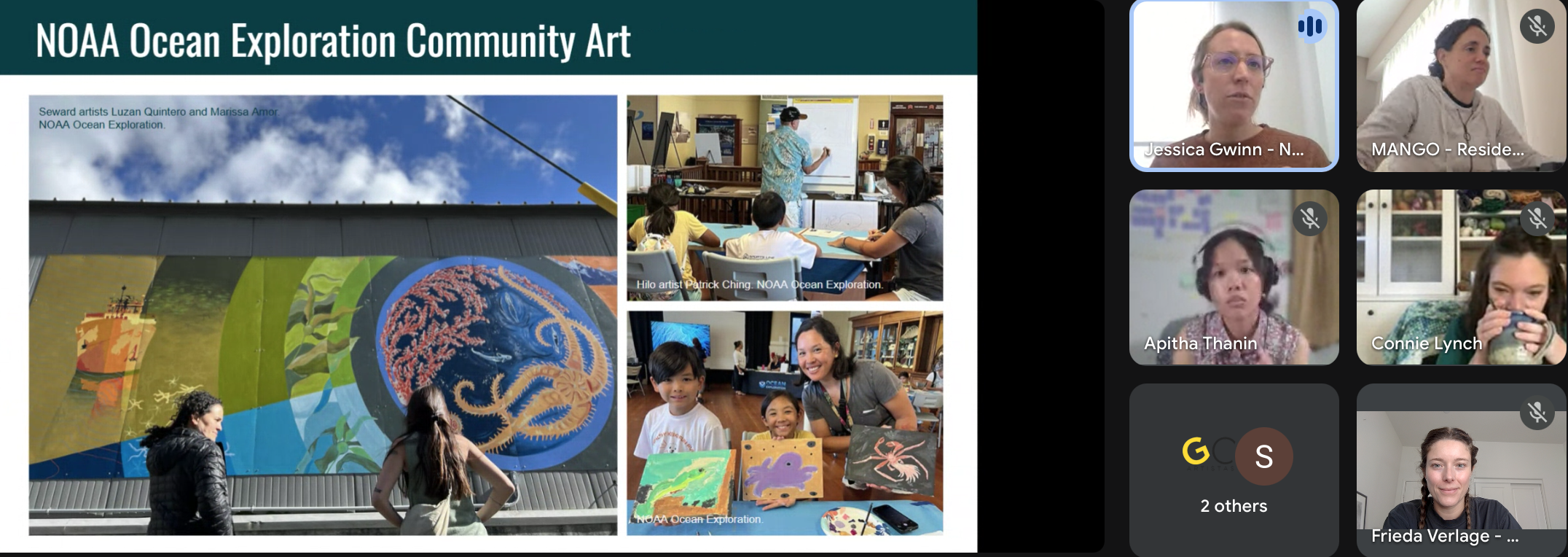
Weekly online meetings and mentorship
Guest speakers and workshops
Cross-disciplinary collaboration
Ocean and climate research resources
Opportunities for digital exhibitions and publications
A global network of artists committed to the ocean
Our mission is simple: to create a space where artists can engage with ocean stories, environmental justice, climate awareness, and creative research, without needing to travel.
If you feel drawn to create work that centers on the ocean, the human-water connection, or the interconnectedness of the natural world. In that case, this residency offers a welcoming place to begin. Artists often leave with fresh ideas, meaningful connections, and work that feels rooted in a deeper relationship with the world.
If you’d like to meet the artists who’ve participated in our program, from all around the world, and read their testimonials, you can explore their work here.
Final Thoughts
Art residencies, whether virtual or in person, offer artists time, structure, and community to develop meaningful work. As virtual formats continue expanding, they provide more inclusive and flexible pathways for artists globally.
If you feel connected to ocean storytelling, climate engagement, or creative environmental practice, we invite you to explore Moku Art Studio’s Ocean Virtual Art Residency, a place where art and ocean advocacy come together.