From piña coladas to getting caught in the waves: how art can rekindle your connection to the ocean
Can art transport you to the ocean? Take you out on a walk on a mediterranean beach, wearing a white dress that flows with the salty air while holding your hat? What about being inside a small boat underneath a massive wave right before it crashes down in Kanagawa? I want to show you how art can teleport you to the ocean, even if you are at home in the middle of the country with no beaches in sight, if you’ve never seen the ocean or if you think, what does art and the ocean have to do with me? I want to say, you’d be surprised. You just need to find something that gets your attention.
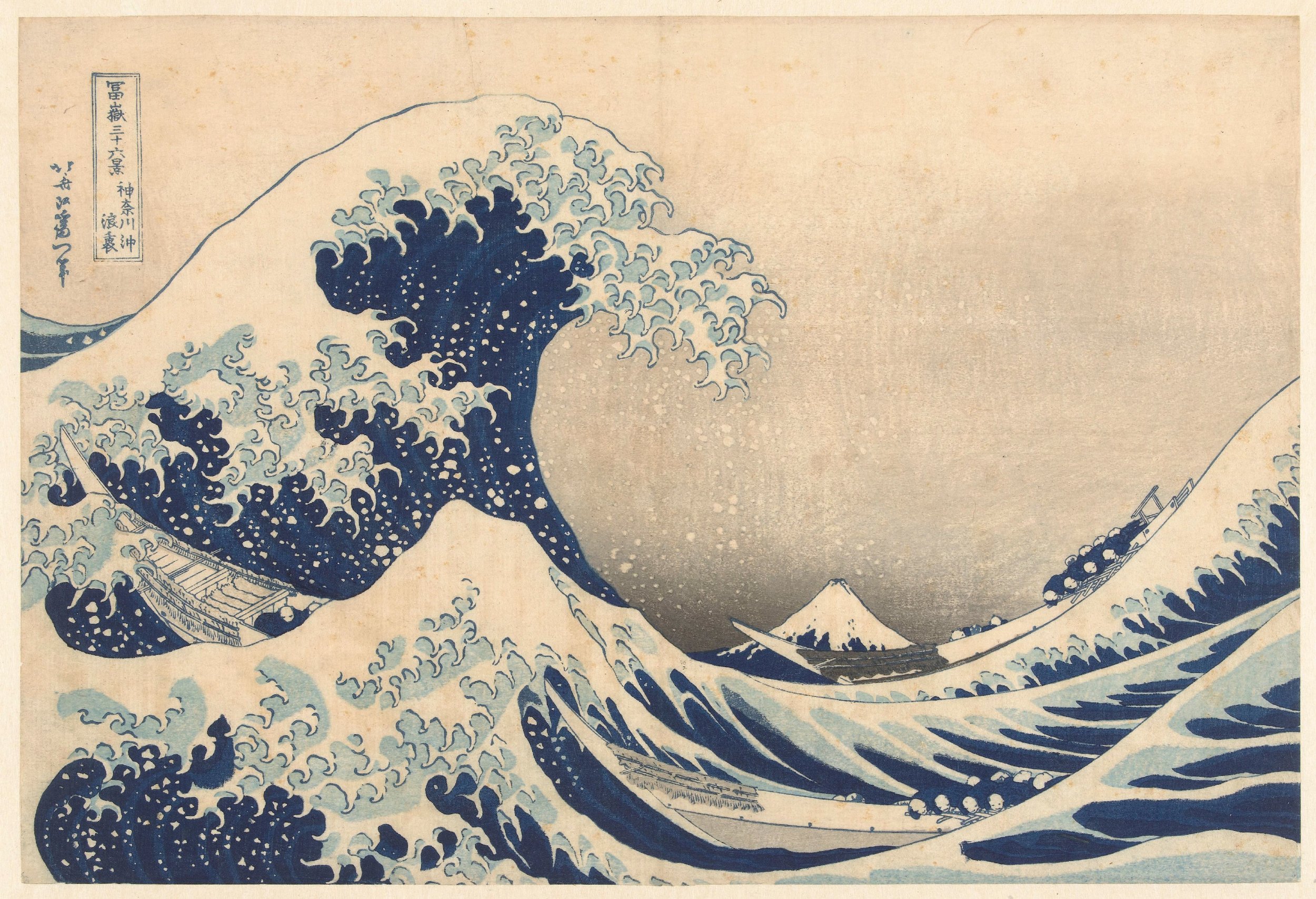
Under the Wave off Kanagawa (Kanagawa oki nami ura), also known as The Great Wave, from the series "Thirty-Six Views of Mount Fuji (Fugaku sanjūrokkei)", Katsushika Hokusai, 1826–1836, Color woodblock print; oban
I’m just a woman standing in front of a reader, asking them to give art a chance.
Art has the power to connect with its viewer and communicate thoughts, feelings, concepts, question reality, introduce new ideas or ways of looking, but at its core, art sparks curiosity. Art can help us understand how our actions impact the ocean, reminding us that we are interconnected. After all, not only do we live on an ocean planet but ultimately we came from the ocean.
You do not need to be an expert to enjoy art. A fun way of doing this is going to museums in your area and walking around. If there aren’t any close to you, many museums offer virtual exhibits that you can visit online from the comfort of your home. The key is to be open to the possibility that you might see something that connects with you.
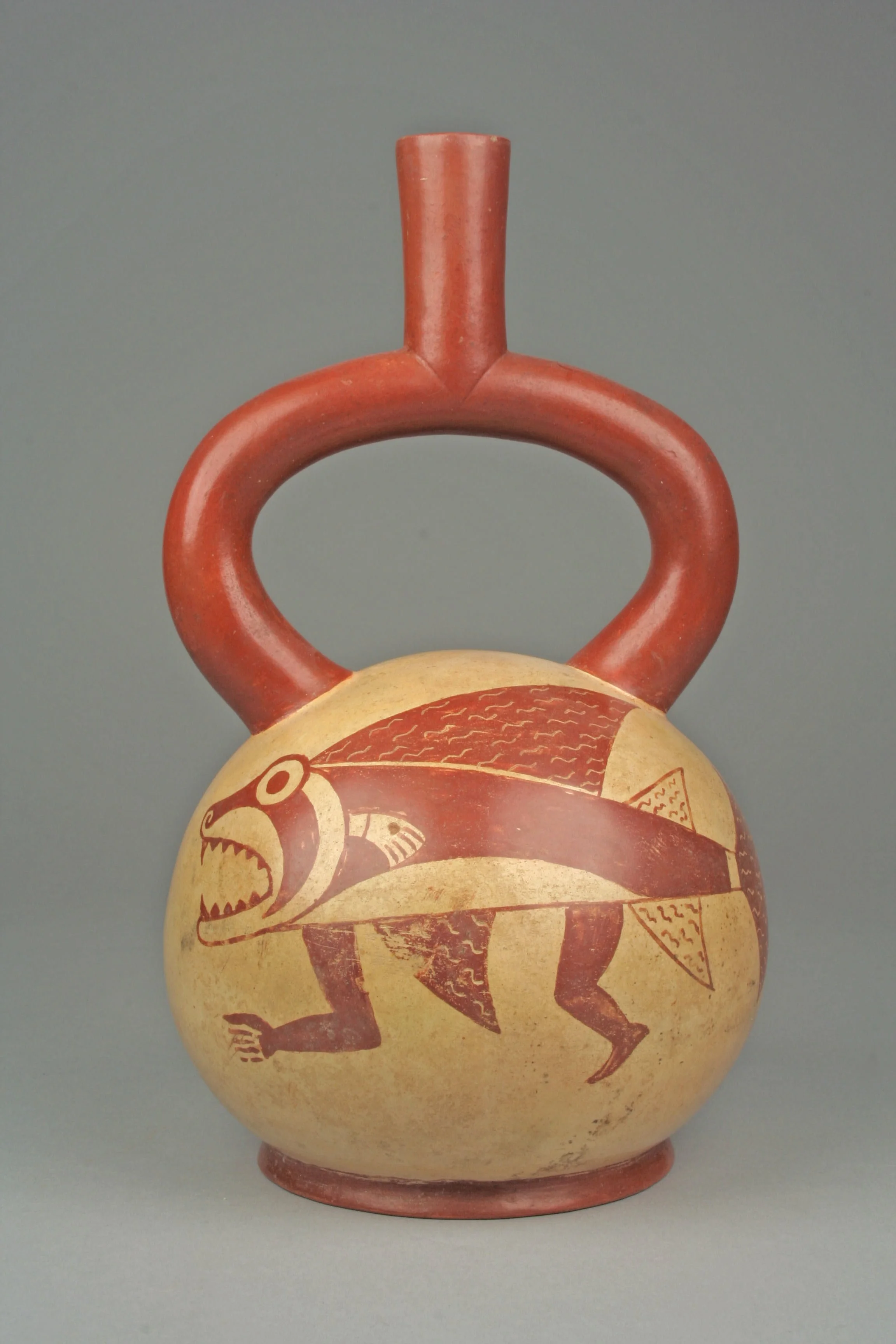
Stirrup Spout Bottle with Sea Monster, Peru, 1st–6th century, Ceramic, slip, pigment
If museums seem like scary places, or you are unsure how to go about it, do not fret! A lot of museums have community events and family events (where you can find hands on activities, music and sometimes even food trucks) and they genuinely like to welcome and help first time visitors.
I remember walking into a museum and seeing in person the paintings I had learned about in school. The first thing I noticed was the scale, some were bigger and others smaller than I thought they would be. Others had more detail in person than I ever noticed from the projector screens in my classroom. This reminds me a little bit of how deep-sea creatures are big in our minds but the reality of their scale is often very different.
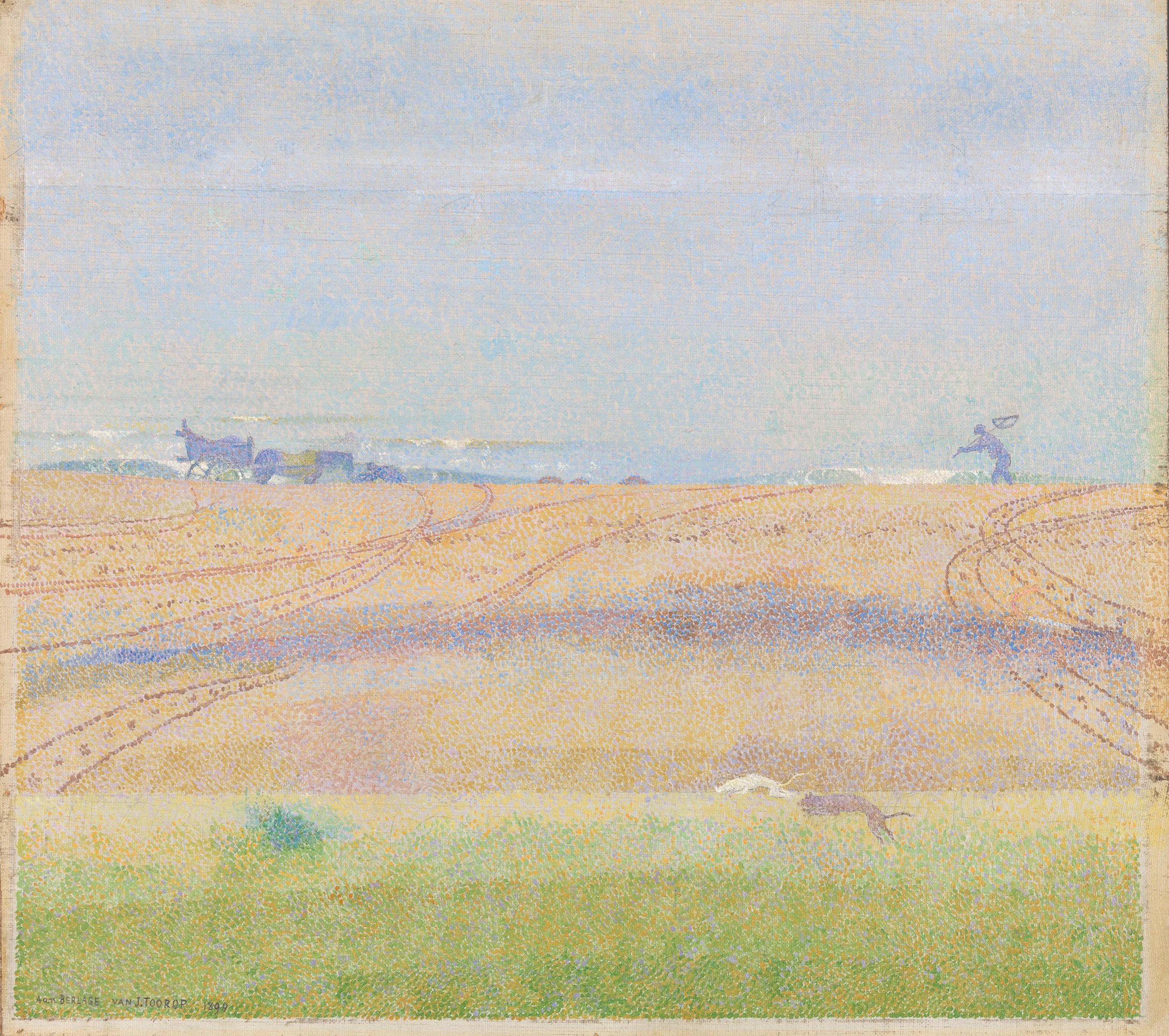
Misty Sea, Jan Toorop, 1899, oil on canvas
You are the green glow to my crystal jelly: how art and science work better together to inspire you
If you had to choose to read 3,000 words of scientific terminology on a topic that you are invested in, you would still find it challenging. But what if I told you that you could look at a work of art, for as long as you’d like or even for as little as you like and you would walk away with a seed of curiosity planted in your brain
Art is a window to new worlds and ways of looking. Art can be challenging, but it can also make hard science accessible to more people than a scientific paper that you have to go through a paywall to get, and then figure out the technical jargon.
Art can take concepts, like ocean plastics, and present them to a regular person, in an accessible manner that makes them stop, observe and think a lot more than a scientific paper. Art can be a giant faucet made out of scavenged ventilation ducts that is three stories high gushing water bottles that were cleaned and sorted by volunteers set against a beach surrounded by more plastic. All in an attempt to make you think of all the plastic pollution that goes into the ocean.
Benjamin Von Wong’s piece #TurnoffThePlasticTap is an excellent example of visualizing the data in a way that hits your visual senses but also makes you think of the compounding plastic pollution in an embodied manner. The sheer scale of it brings home how much plastic we use and discard. But even more, what makes this piece powerful is not the amount of plastic used (we all know we use more plastic than we should) but learning what it took to create it, at this scale and on site. Von Wong not only uses the recycled materials for most of the process, but the most impactful detail is the need for volunteers. Volunteers who “over a week” organized and prepared the plastics and sometimes even helped set up the installation. This answers one of the questions we always ask ourselves: “What can I do to make a difference?”
Art gives everybody, regardless of their previous experience with art, the opportunity to interact with a topic and be enticed to learn more about it. It presents the information in a visual way that encourages the viewer to think of the meaning and message of the piece, or an emotional reaction.
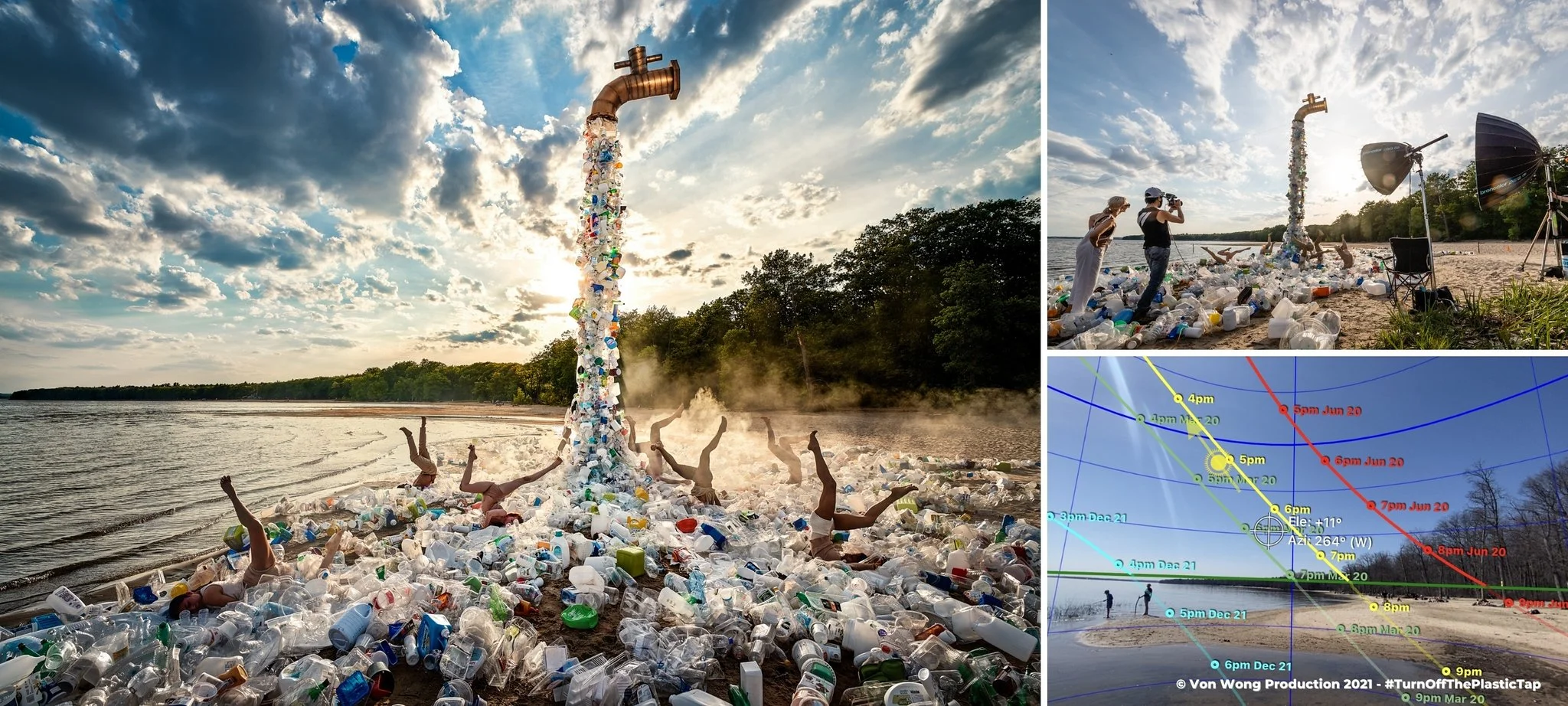
#TurnOffThe PlasticTap by Benjamin Von Wong, From 2021_GiantPlasticTap. Read the Story here.
“I used an app called Sunseeker to predict the position of the sun while scouting this beach in Oka. Shot on the Sony A7r-IV with a 16-35mm f2.8 | 1/250th Sec, f11, ISO 50”
Art is like a box of chocolates: you just need to find the topic that lights your fire
Just like there are a variety of art mediums that you might like or not like, there are as many ocean topics that can spark your attention and curiosity. Your eye might wander over to paintings or prints, or the physical nature of ceramics and sculpture, maybe you prefer the mix of technology with digital art and new media, or you enjoy being placed in a new place like an installation.
If you have never visited the ocean,but you really like colors, learning about colorful corals and fish could capture your mind, or perhaps you have heard of the lonely whale and want to learn more about cetaceans and protecting them. Maybe you are like me, and enjoy discovering that there are cooler creatures than aliens at the bottom of our ocean that glow in the dark. Or you could be more into the technology that is required to study, research and map the ocean like Remotely Operated Vehicles (ROVs) and Autonomous Underwater Vehicles (AUVs).
For me, bioluminescence is my favorite chocolate in this box and although I am no expert in dance or performance, I found myself drawn to Gina Laurenzi’s performance and choreography SCORE - BIOLUMINESCENCE. Laurenzi’s work is a mixture of curiosity, “eco-conscious ideas,” and an immersive choreography built through “sensing, observation, and reflection,” as she describes it. I am lucky to be privy to some behind-the-scenes of this piece, since Gina is a past artist in our Ocean Virtual Art Residency. Although the topic is my favorite chocolate, the medium is new to me. It made me think of bioluminescence in a way that I hadn’t before. What would it be like to be a bioluminescent creature at the bottom of the ocean? How would I move? Why or when would I glow?
Just like with a box of chocolates, there needs to be a bit of trial and error before discovering what type of art you enjoy and what ocean topic you are passionate about.
Can’t help falling in love with art: examples of how artists view the ocean to spark your curiosity
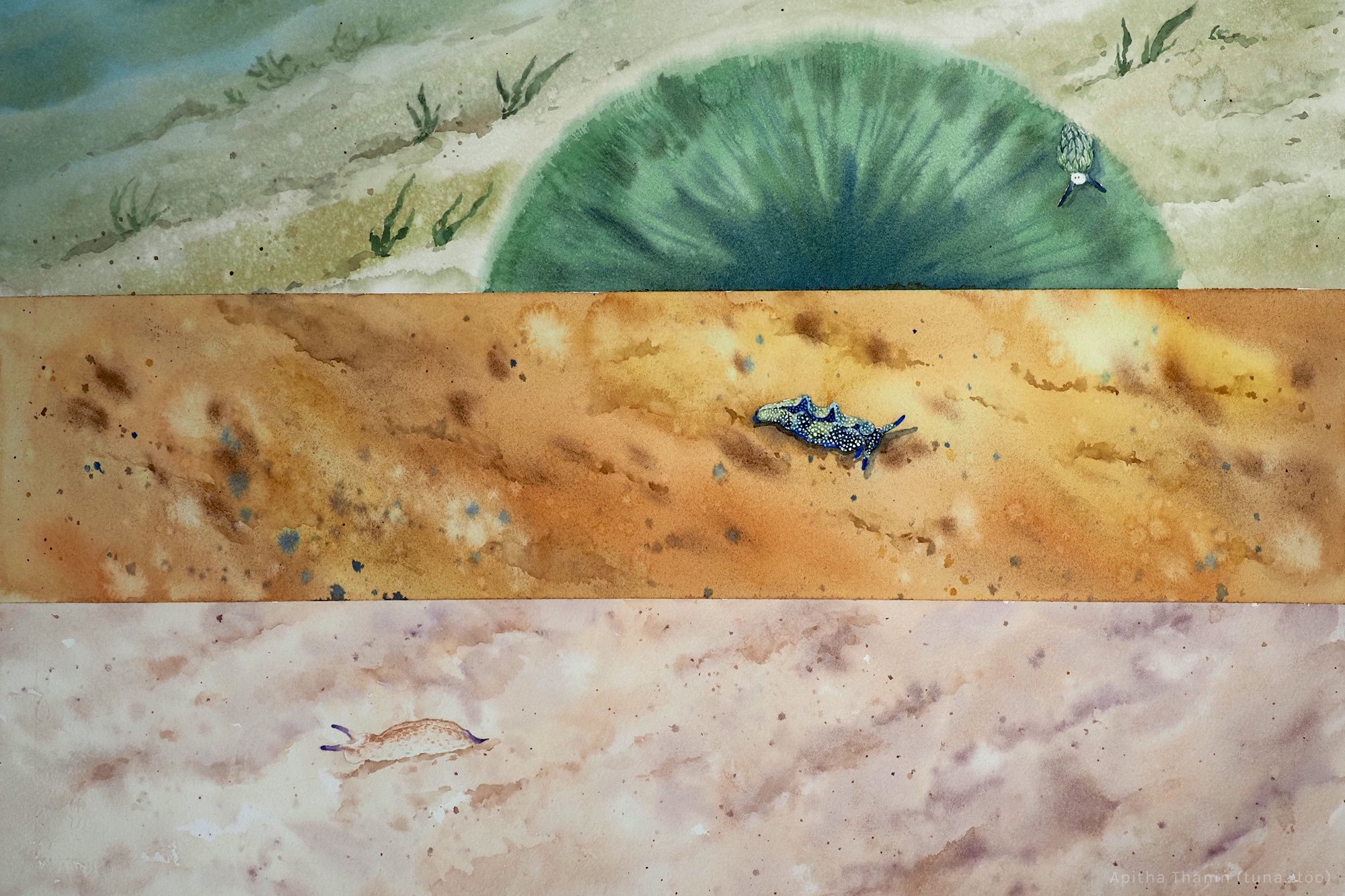
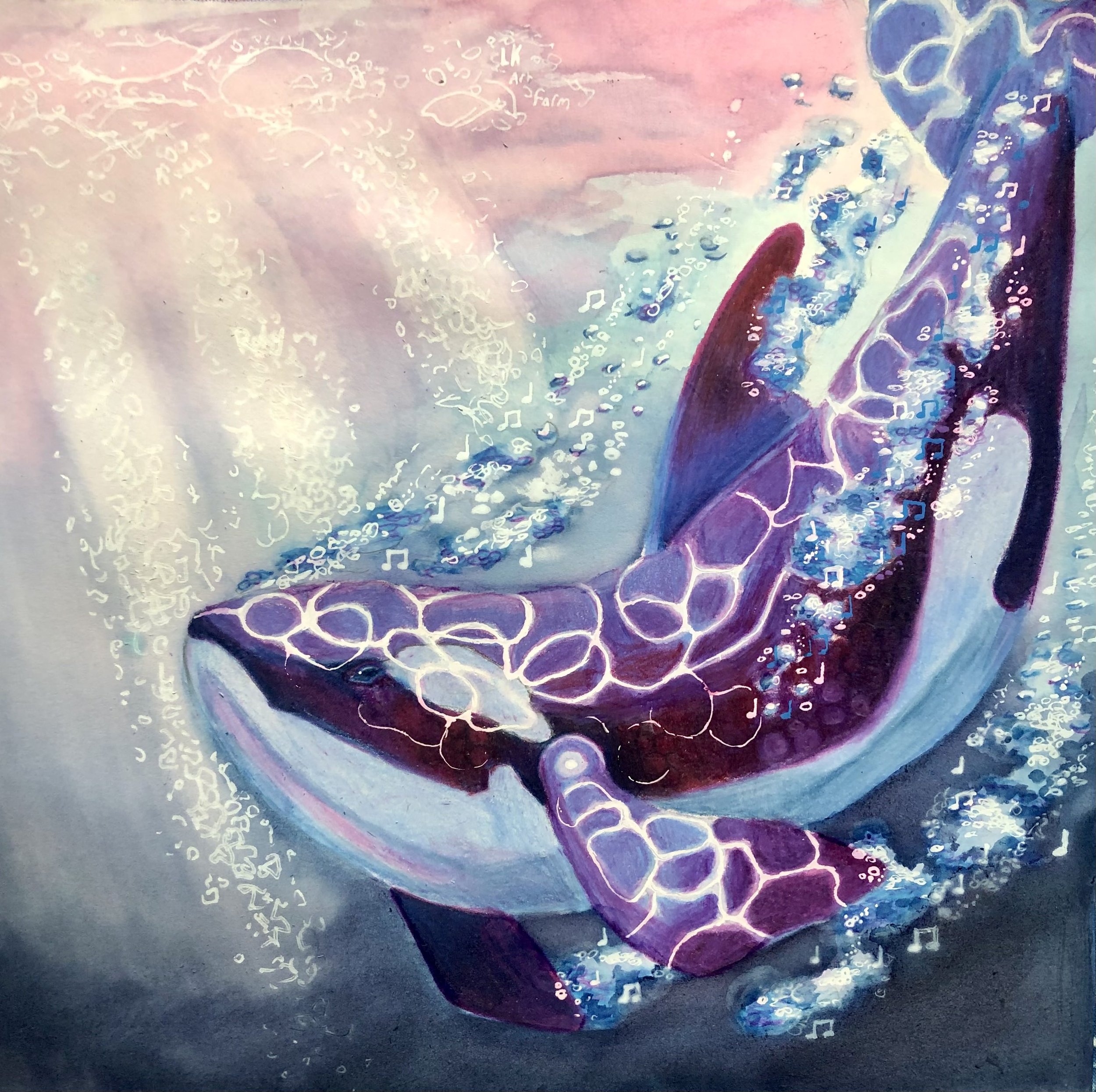
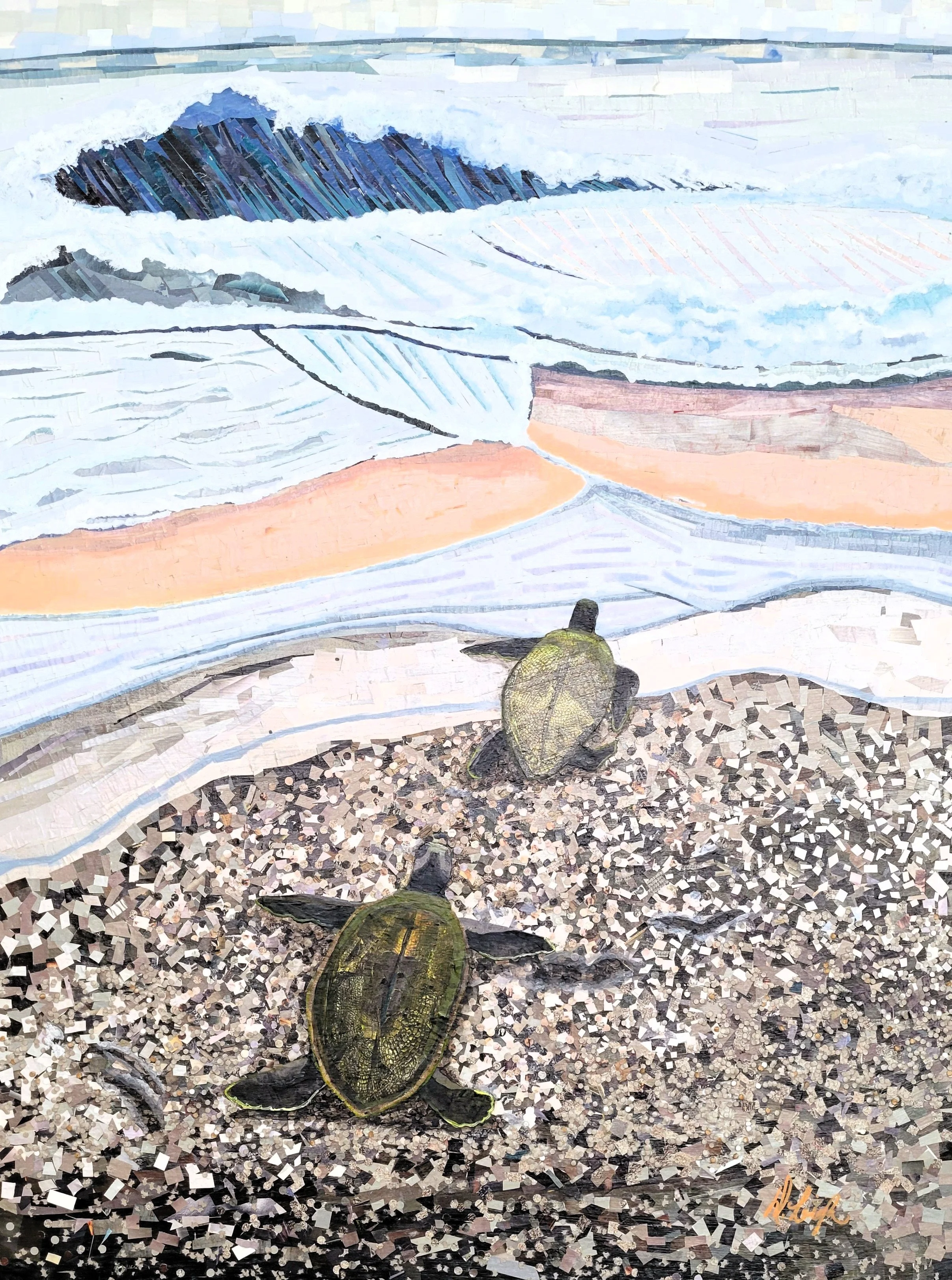
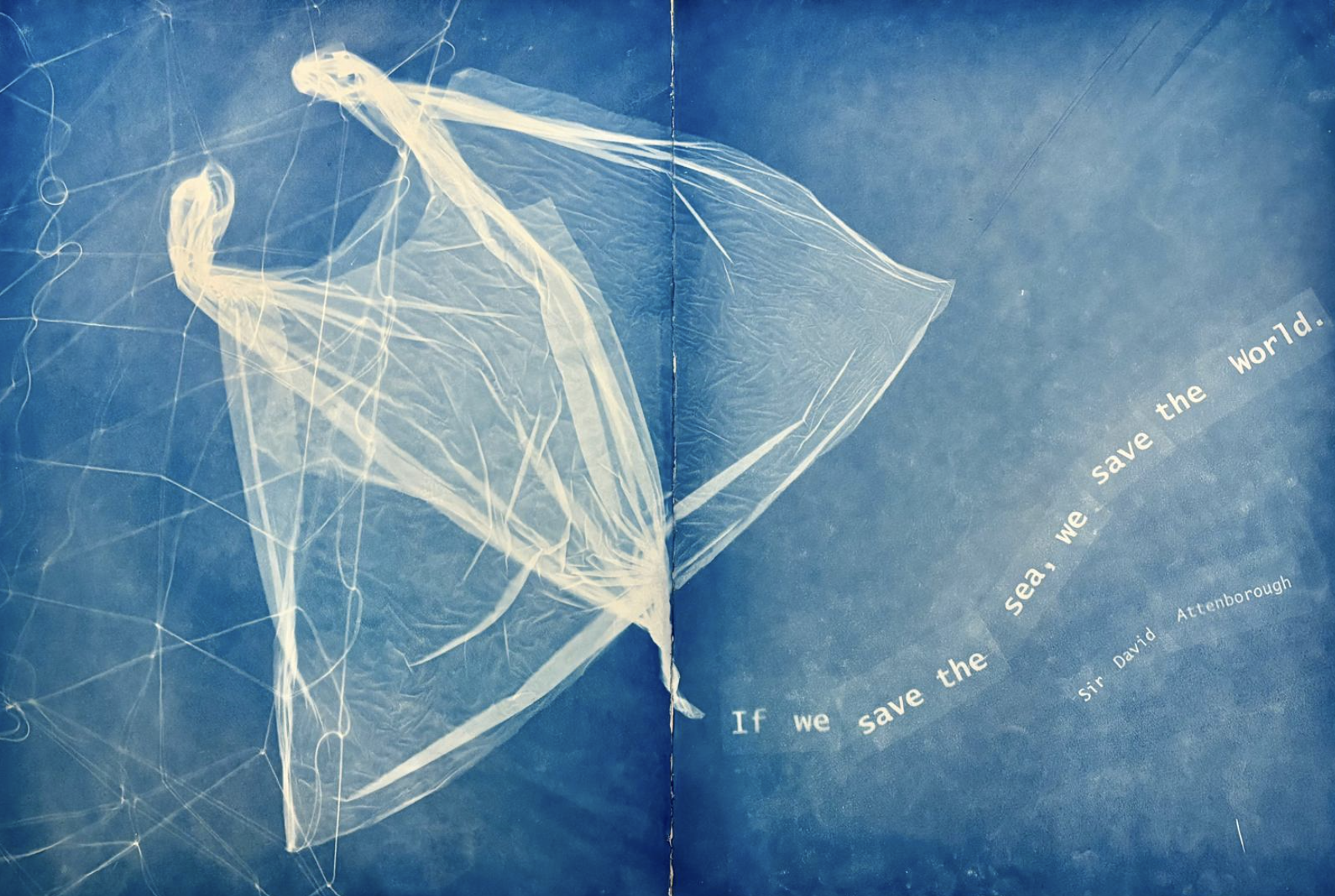
Let me convince you not by telling you about the cool things you can learn about or why the artists do what they do. Let me just show you. The following artists might spark your curiosity!
Danielle Eubank
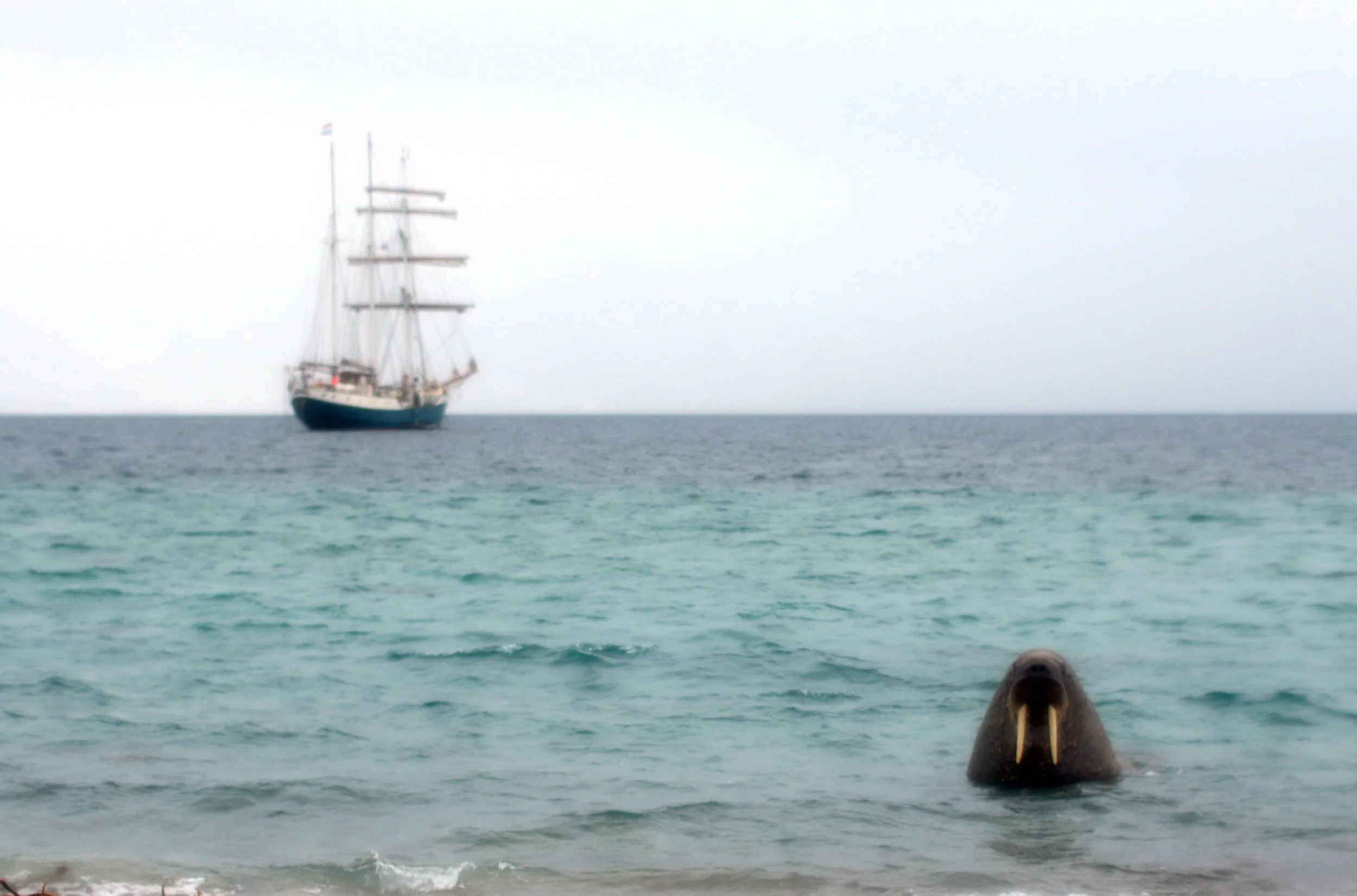
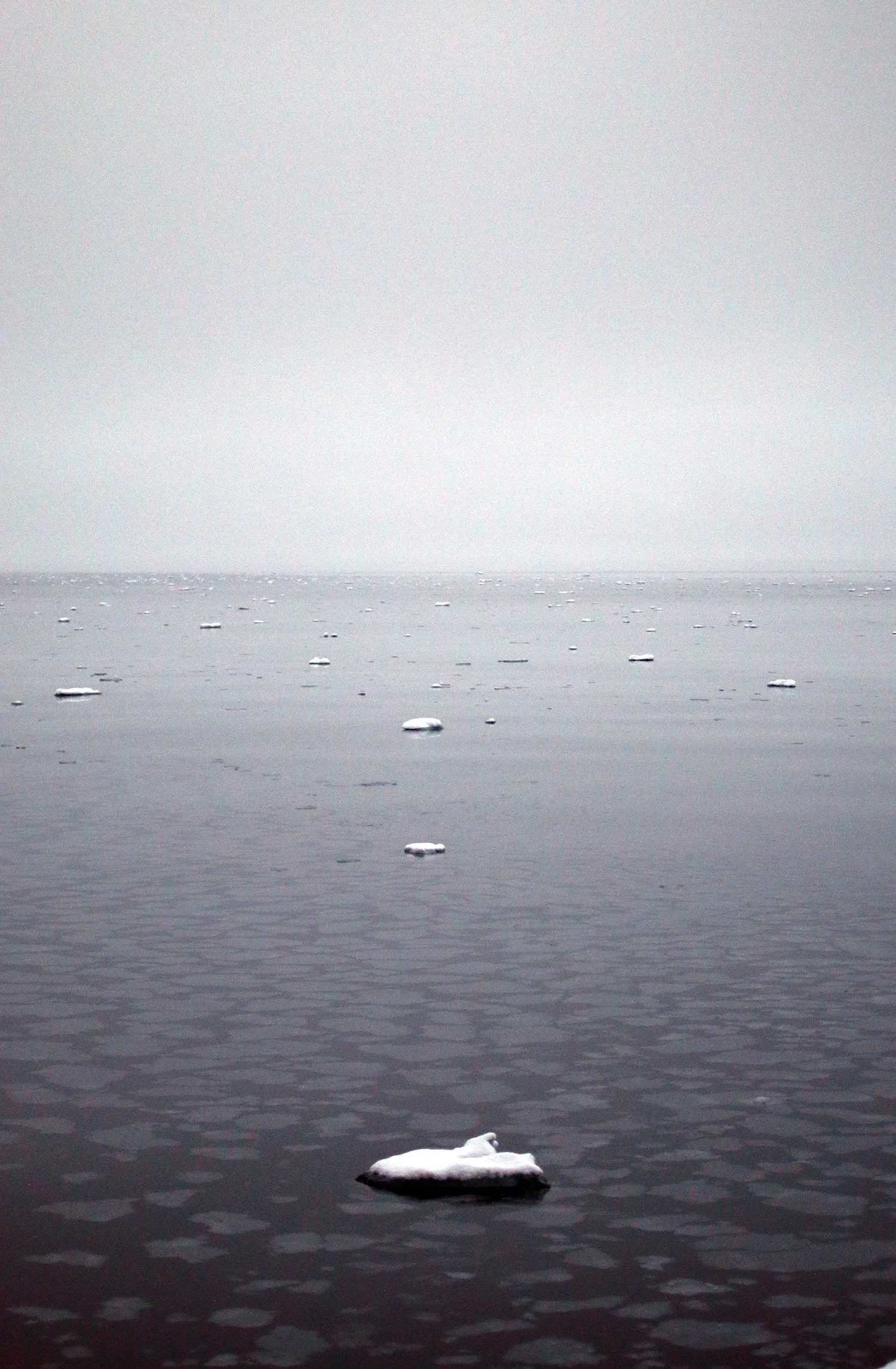
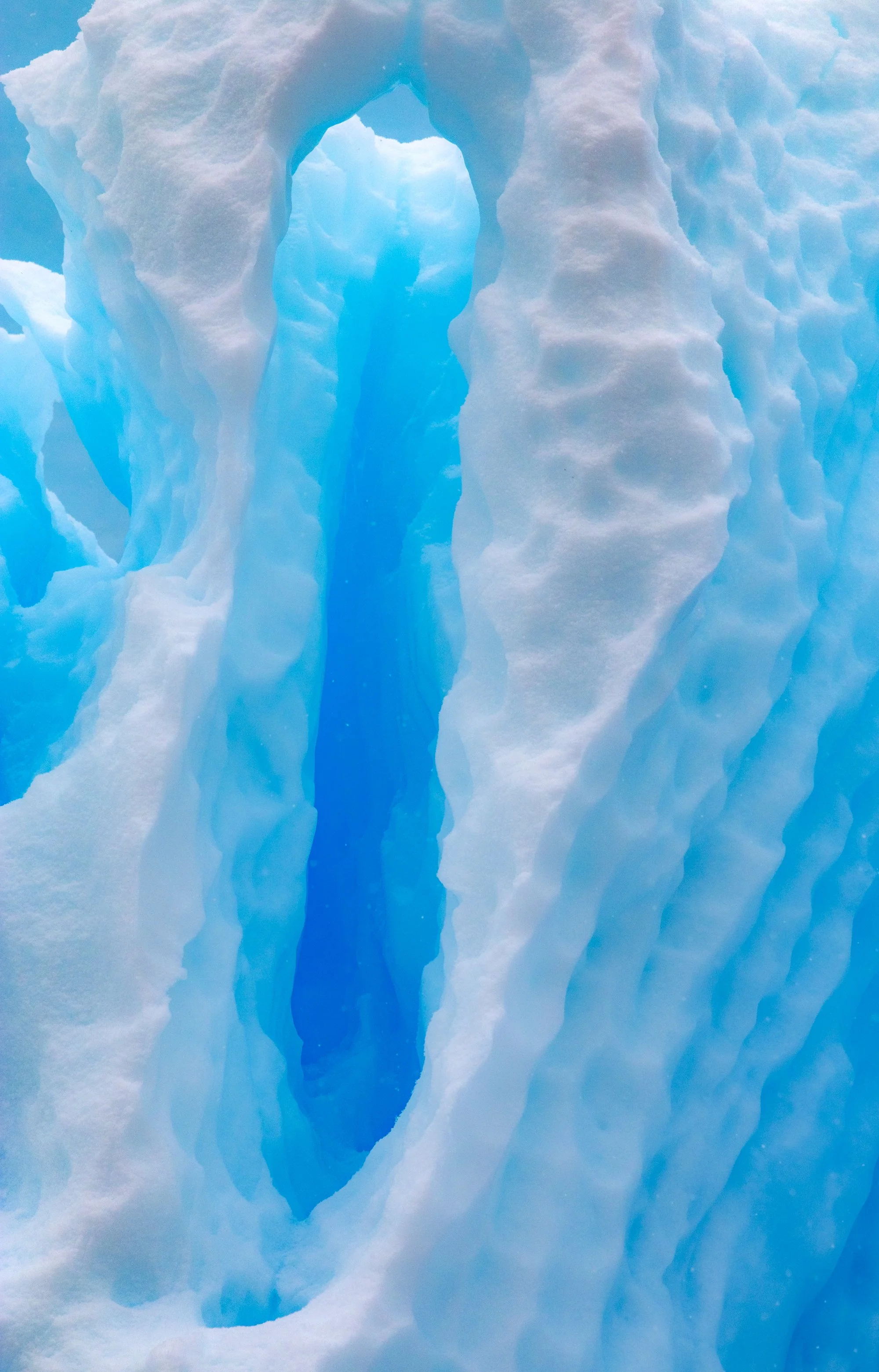
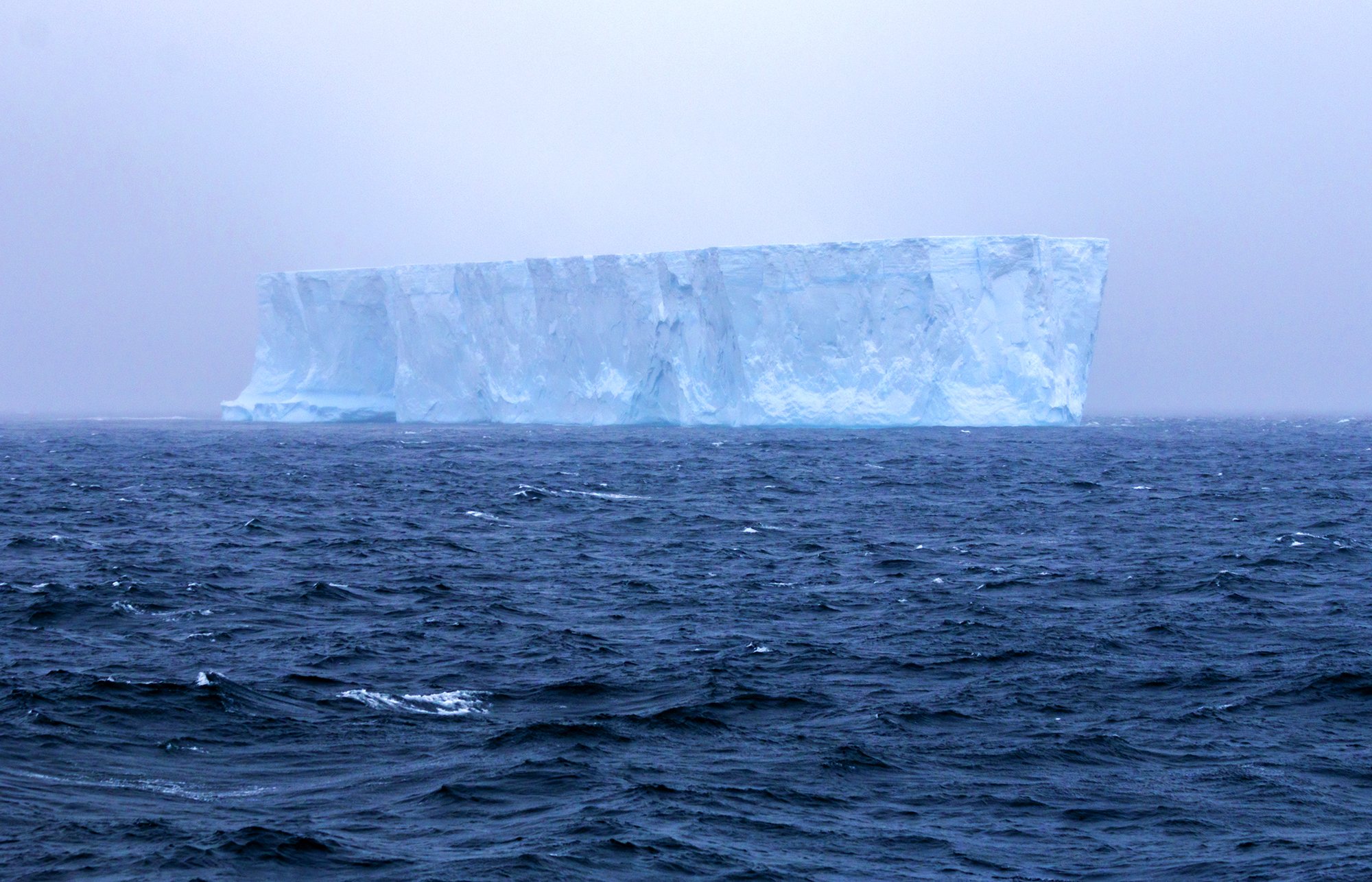
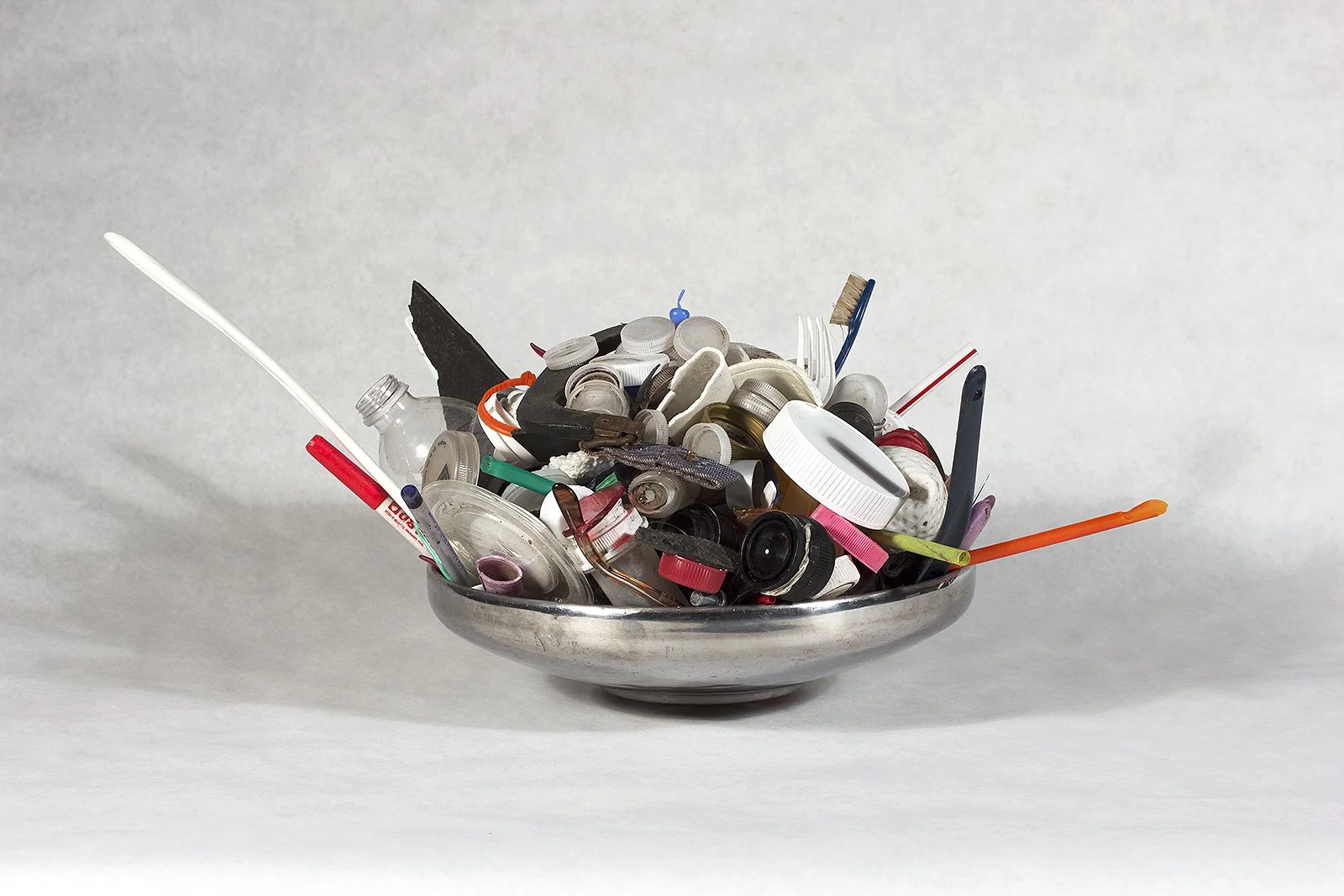
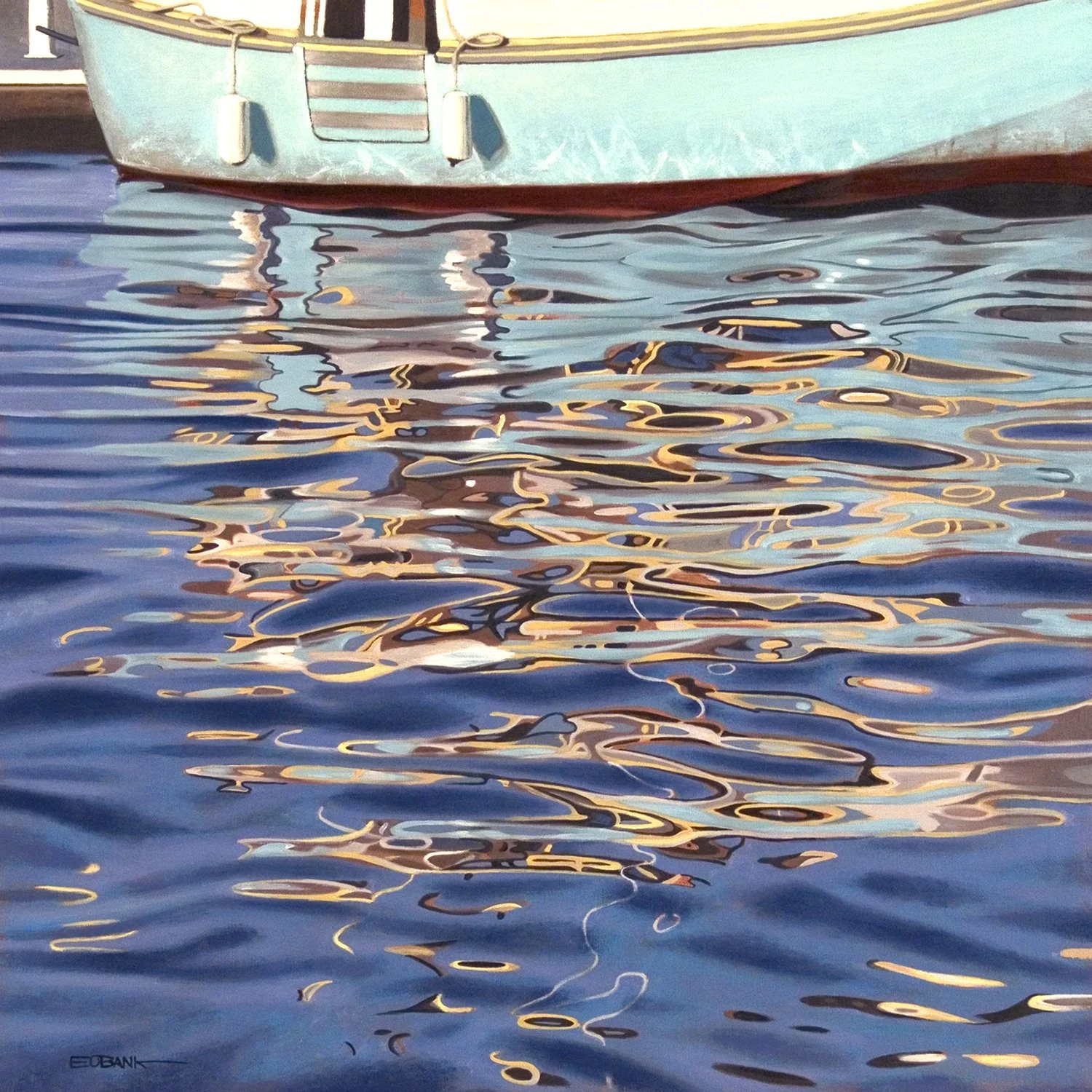
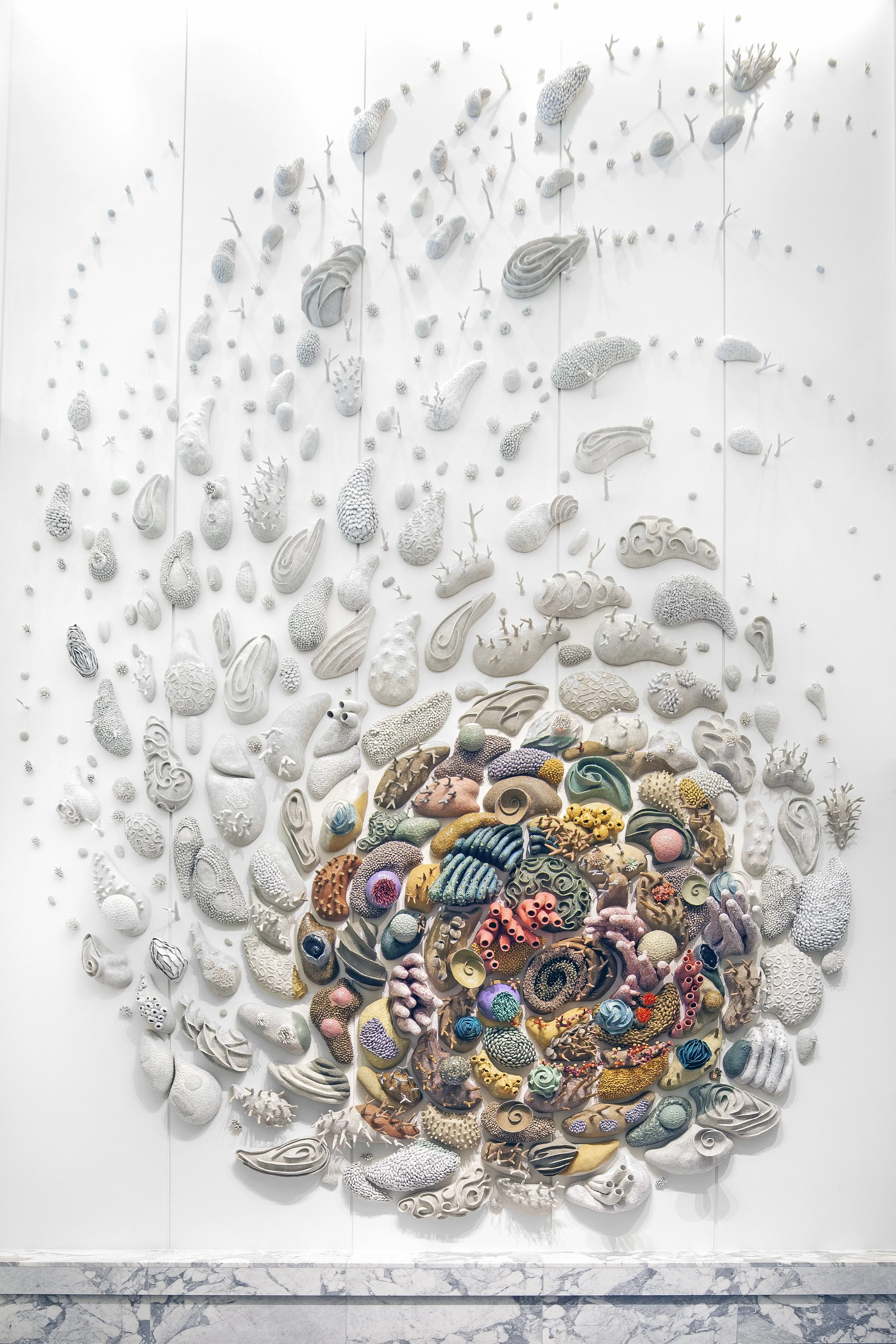
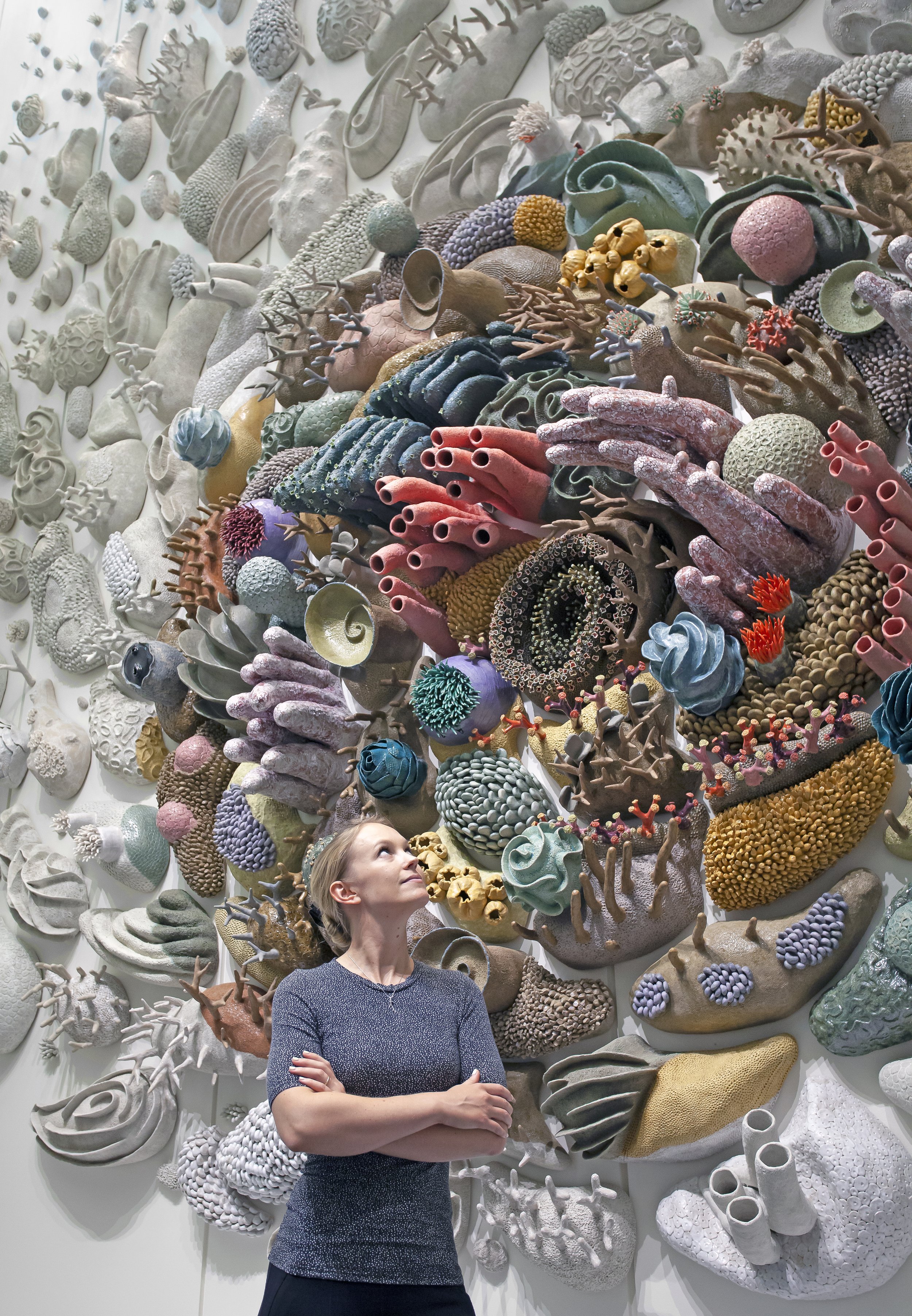
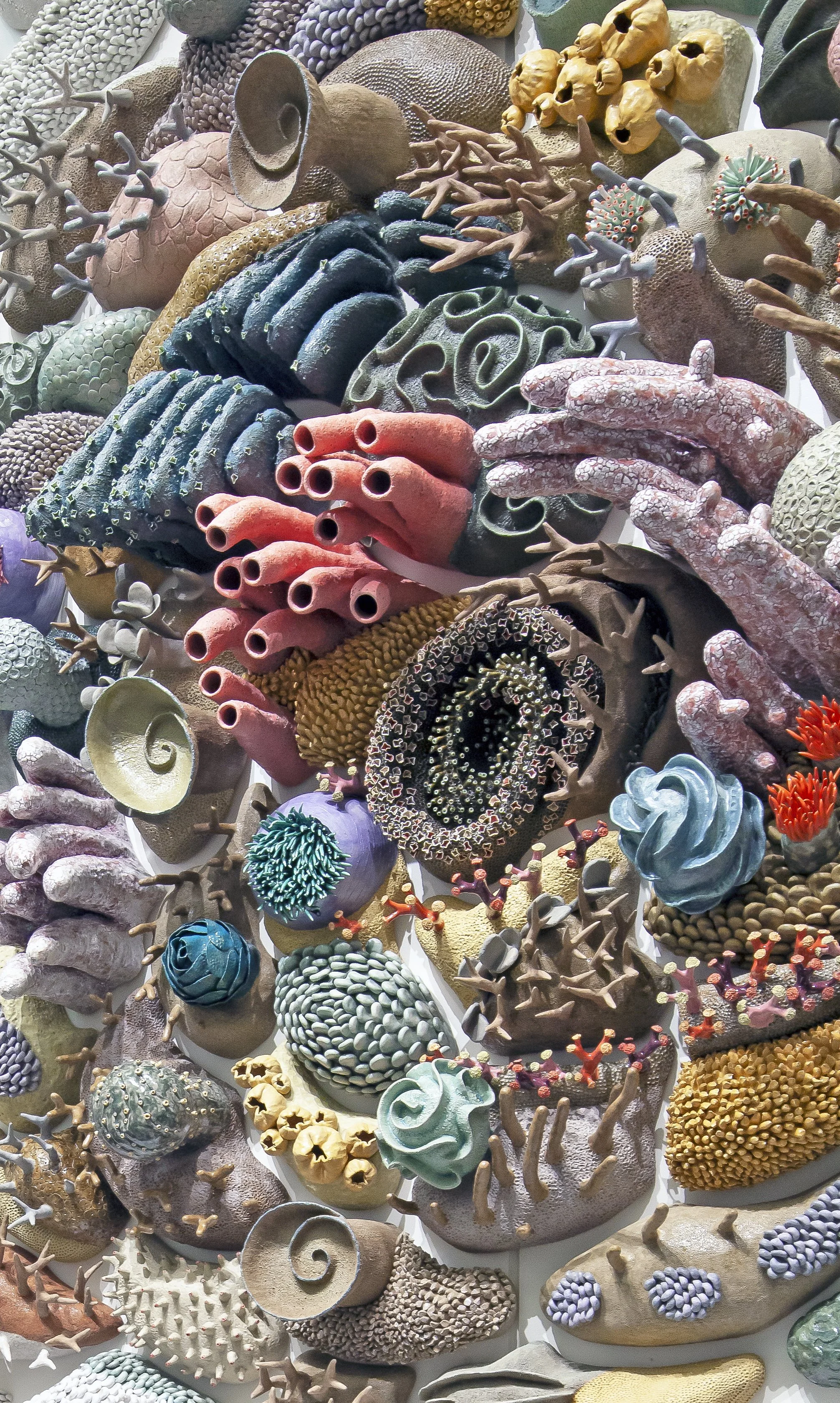
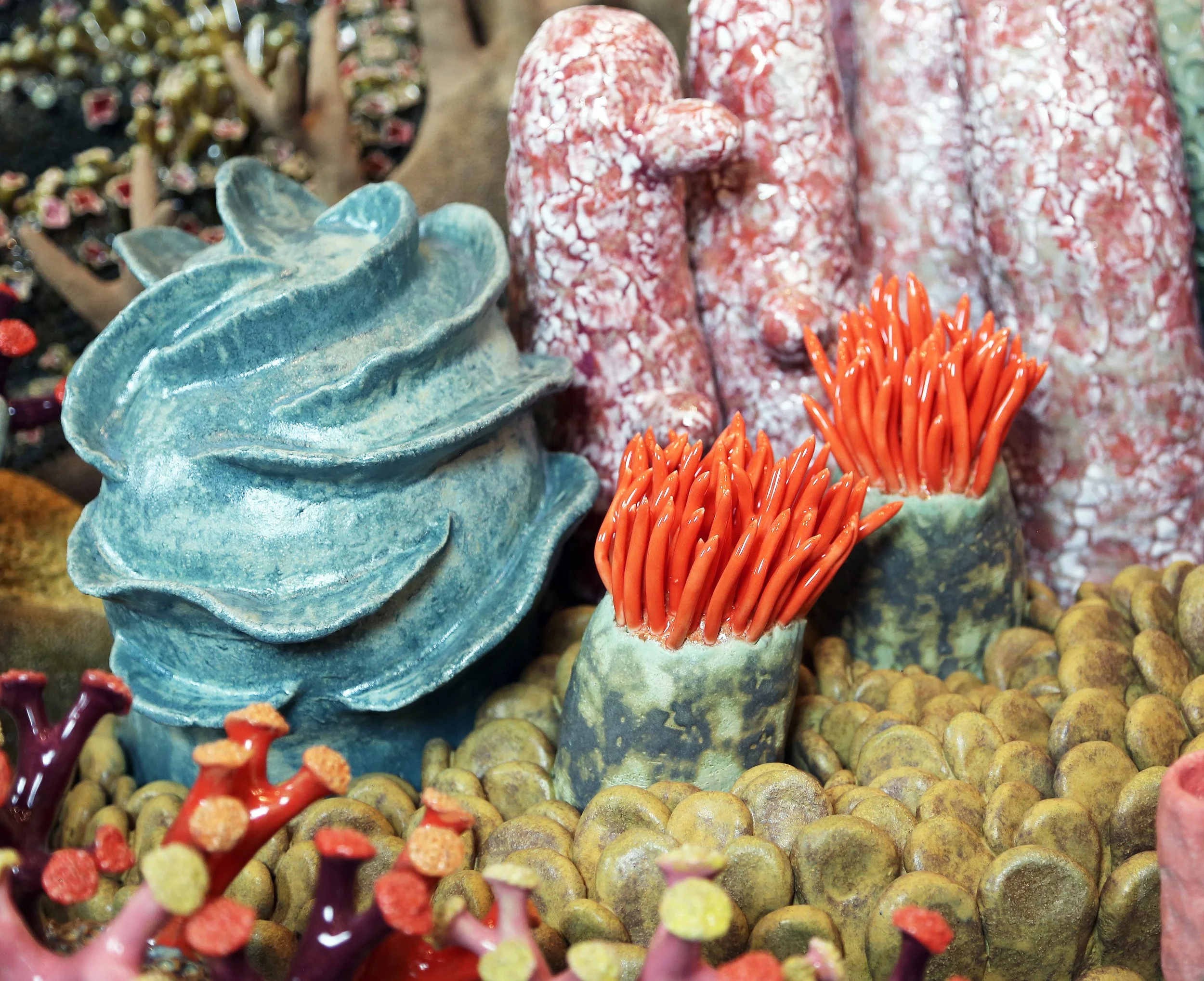
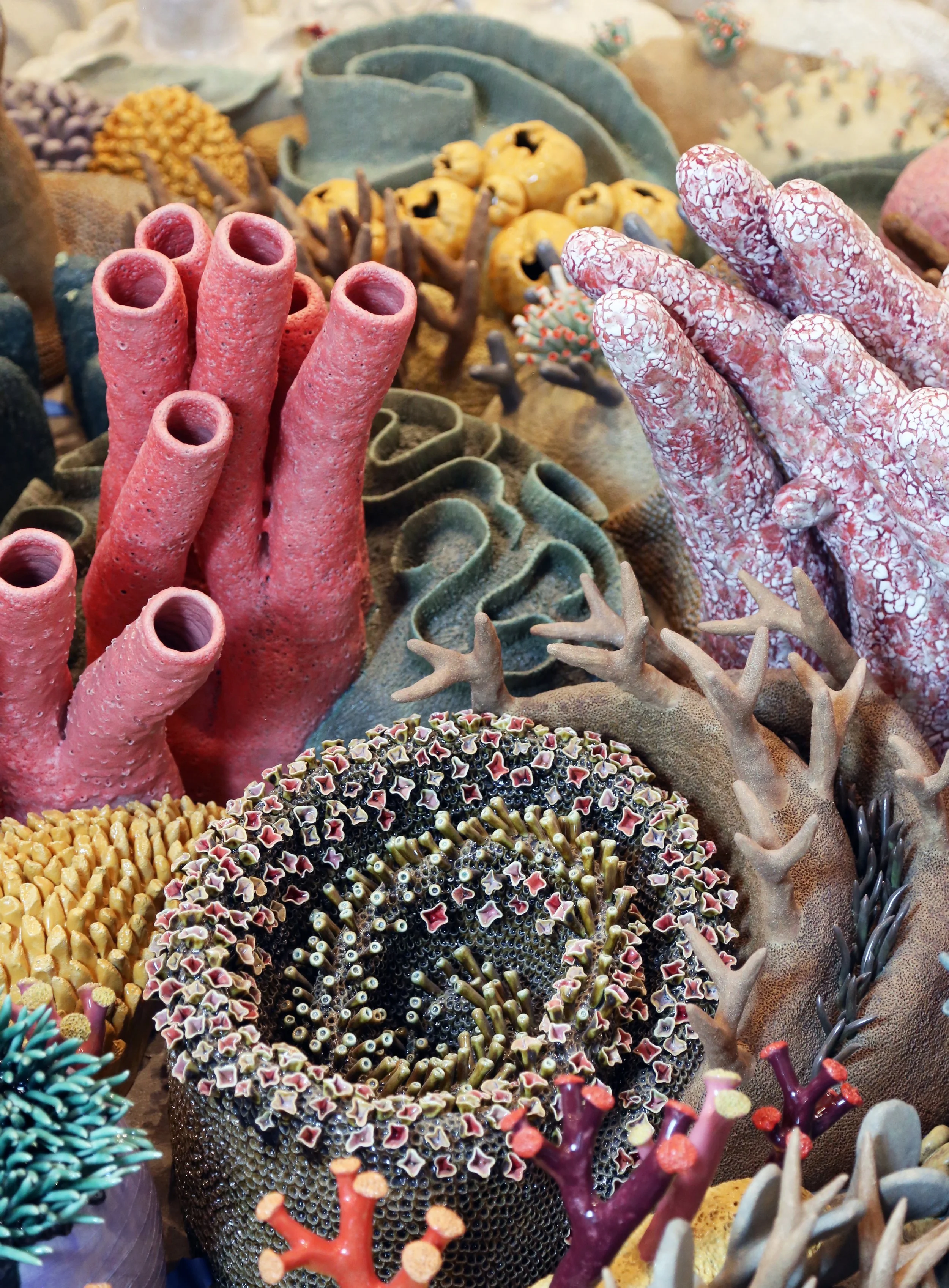
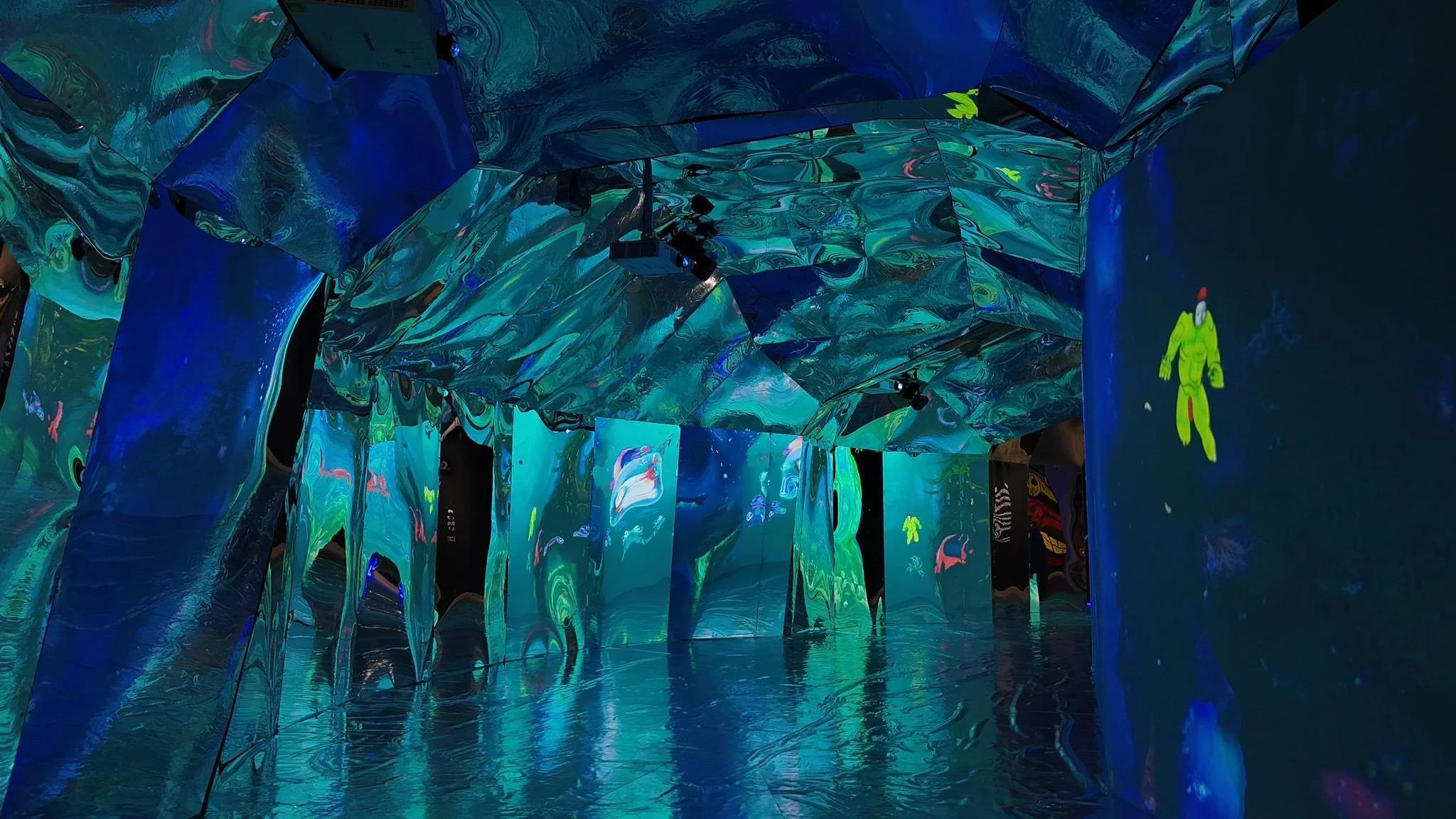
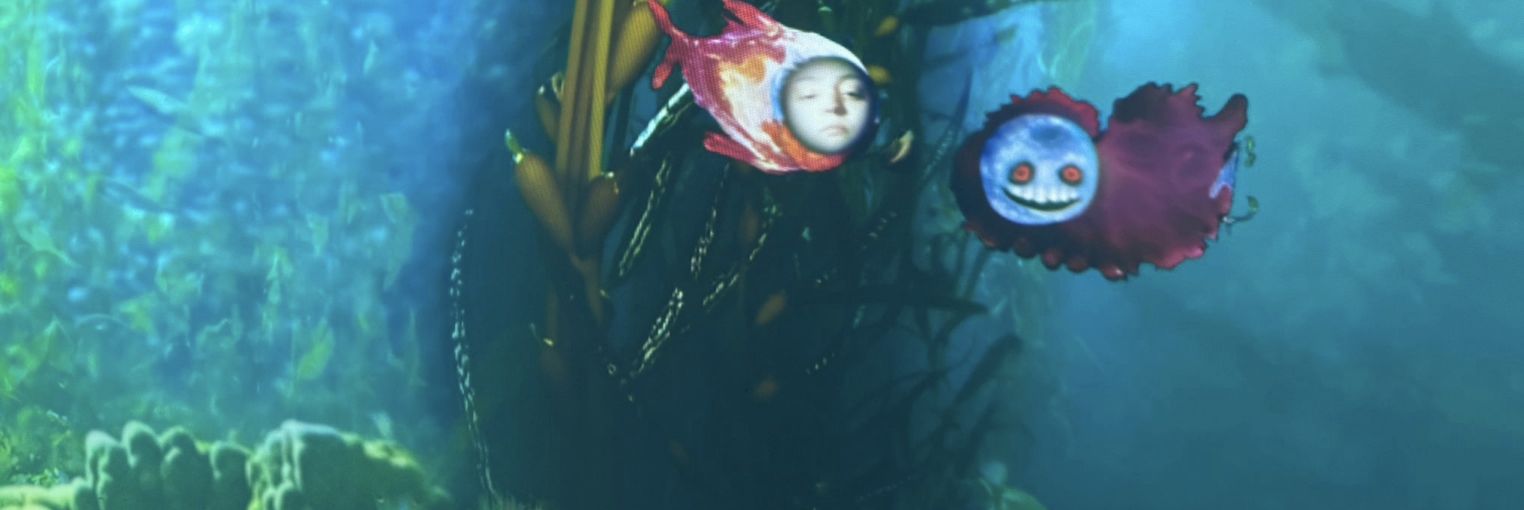
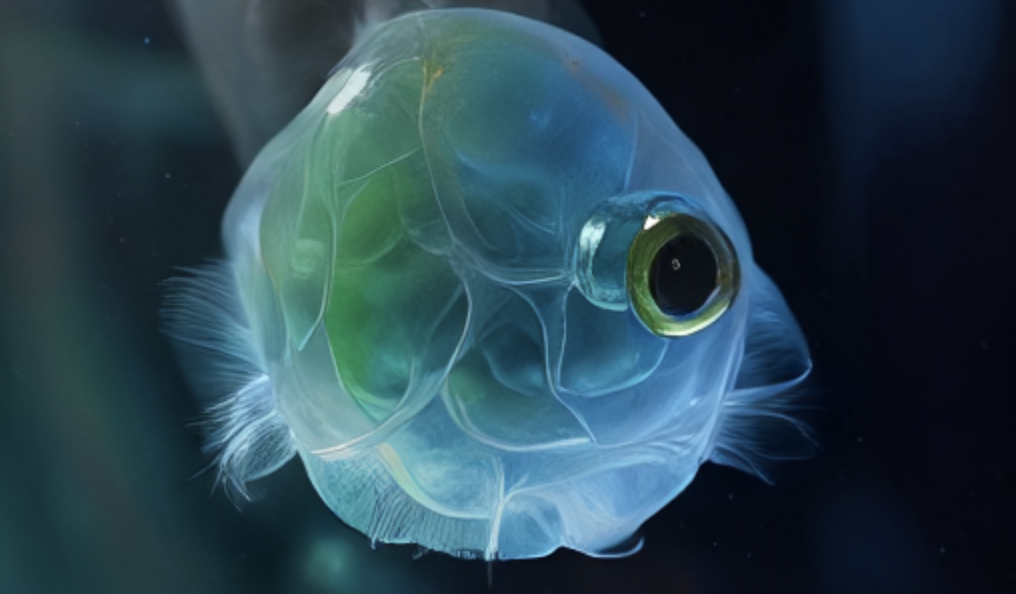
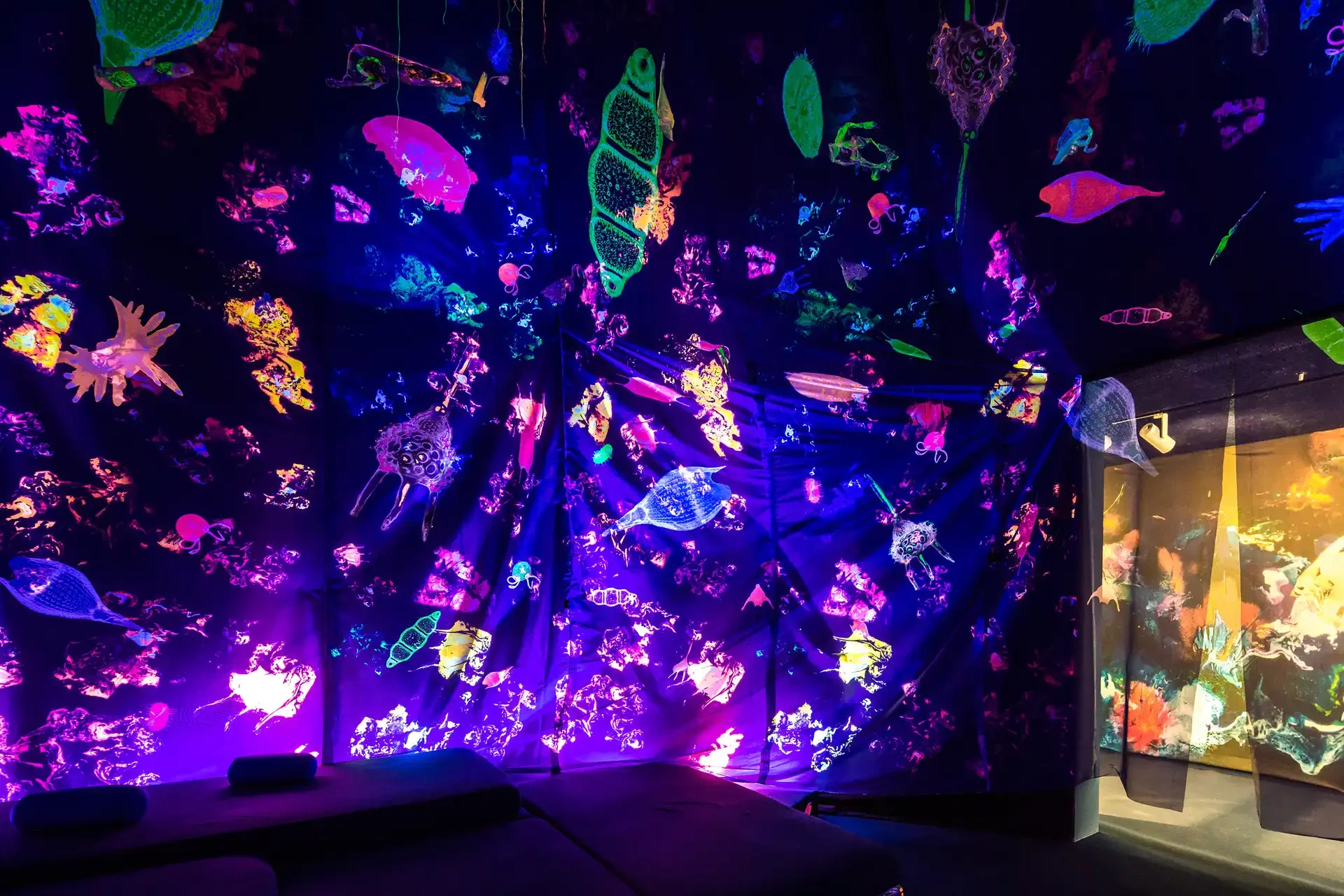
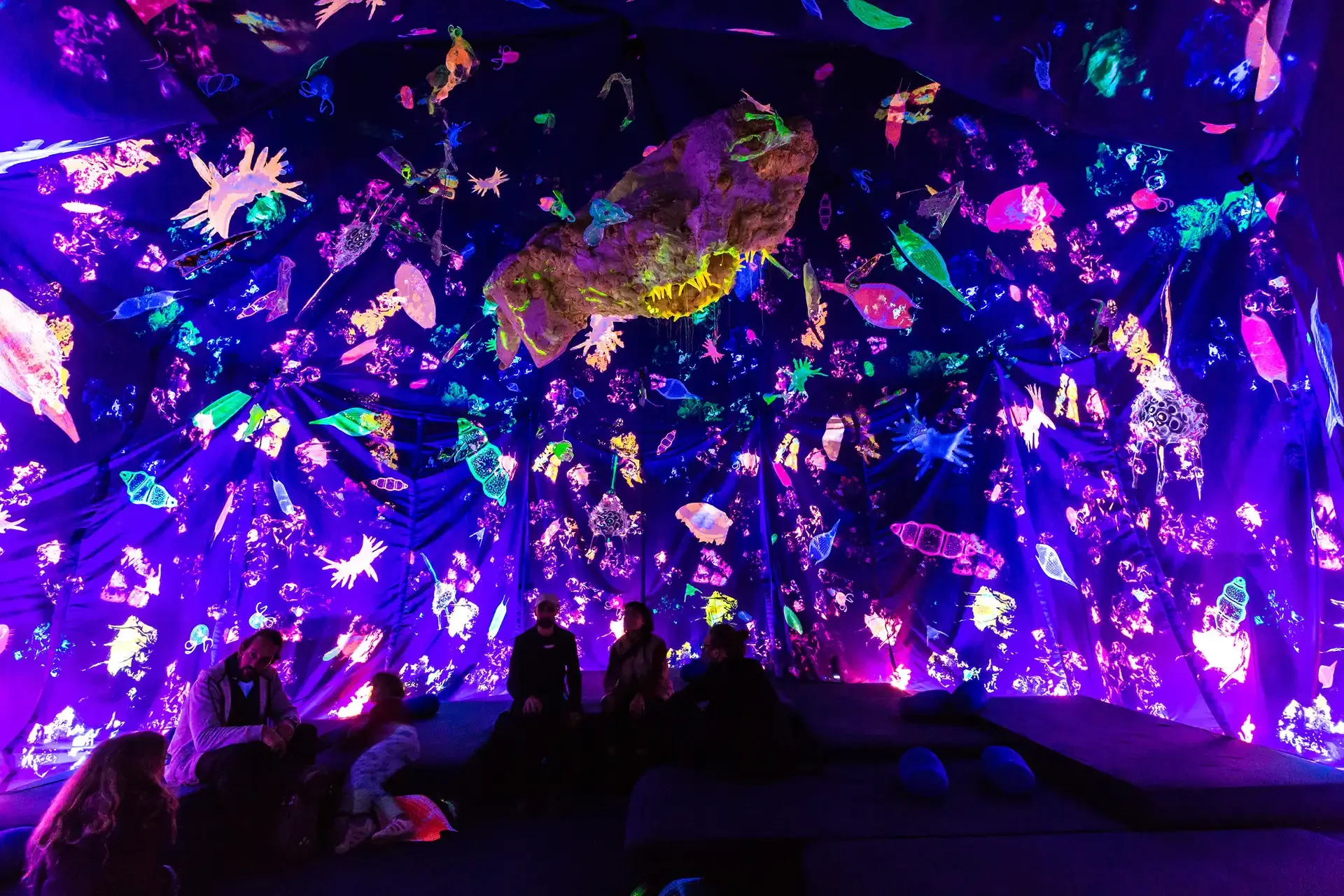
Ocean Virtual Art Residency Alumni Artists
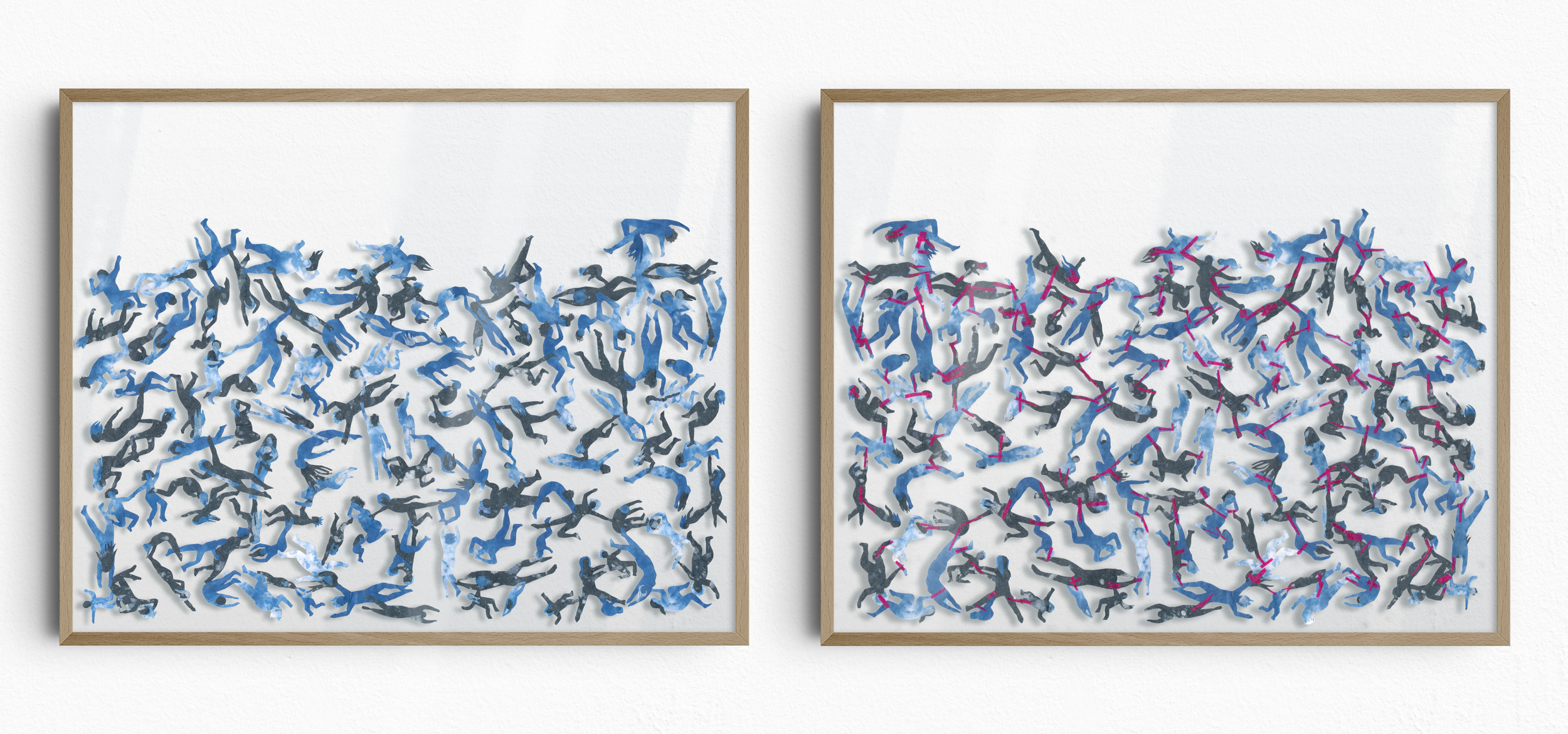
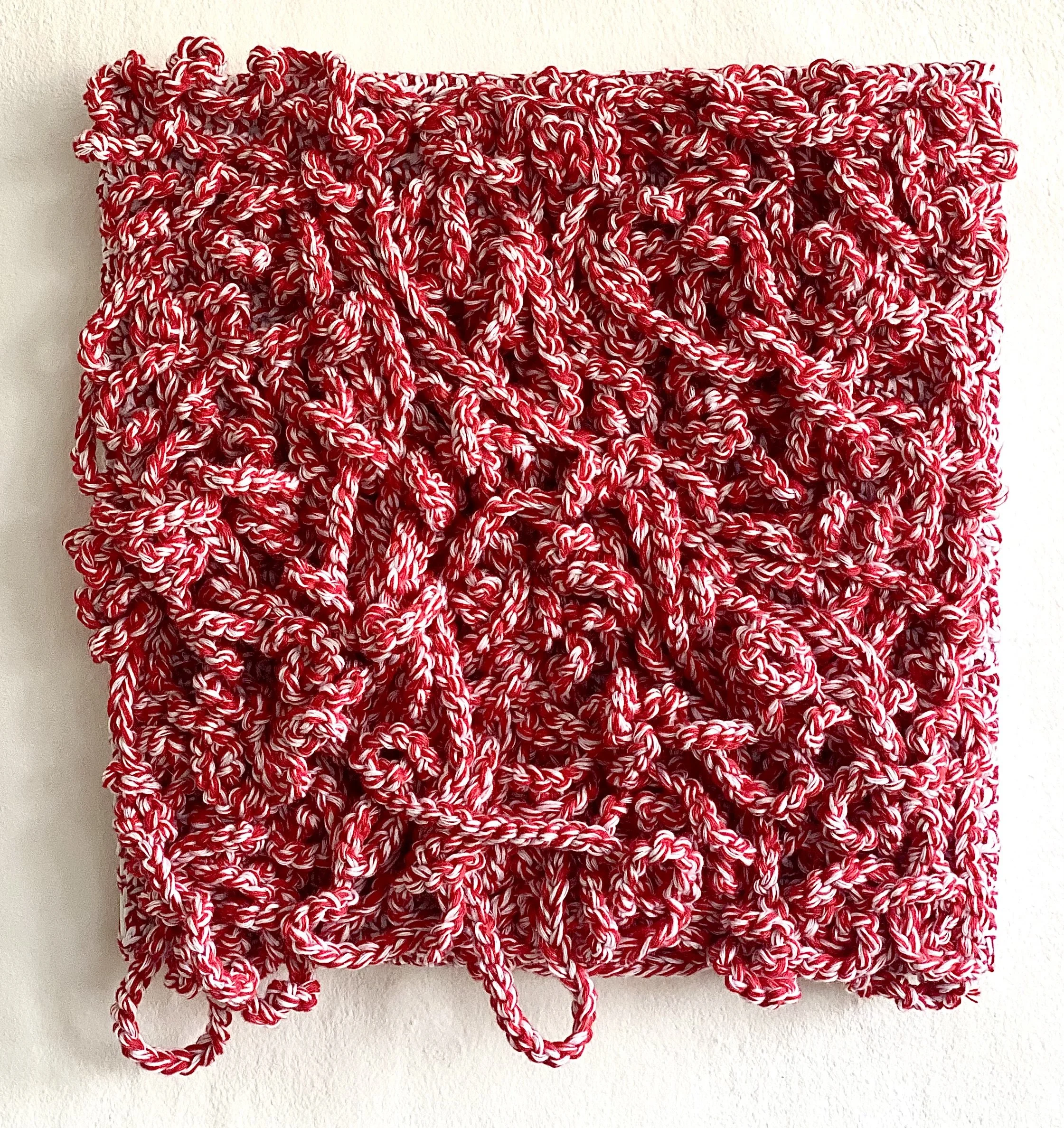
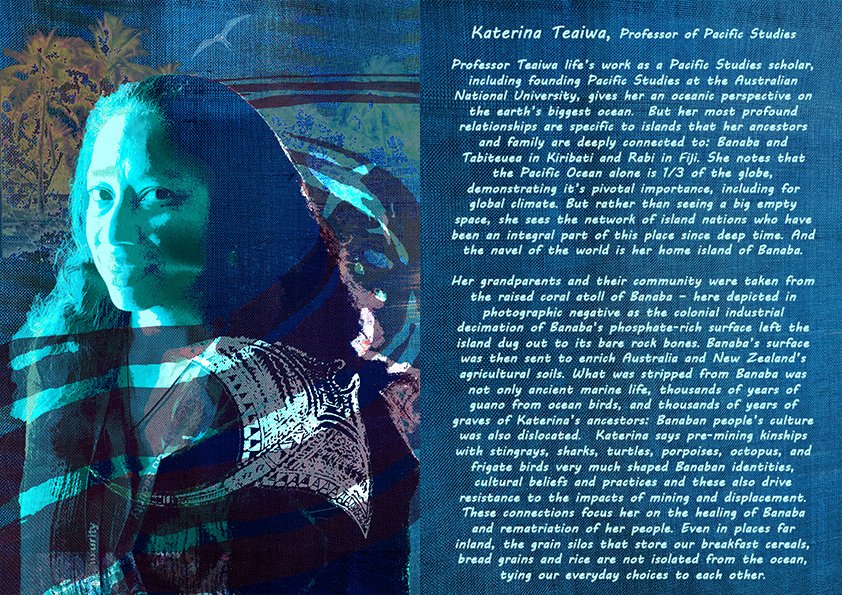
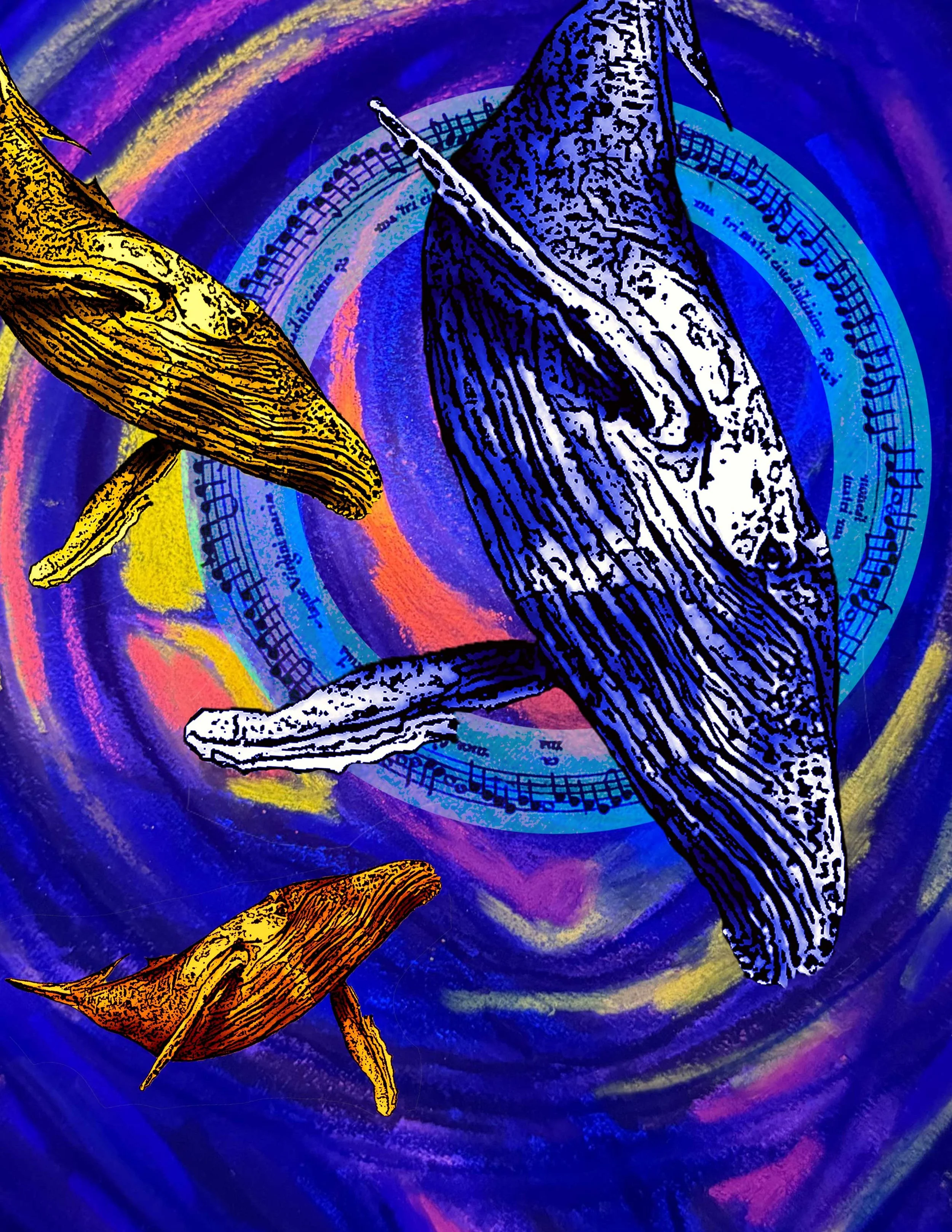
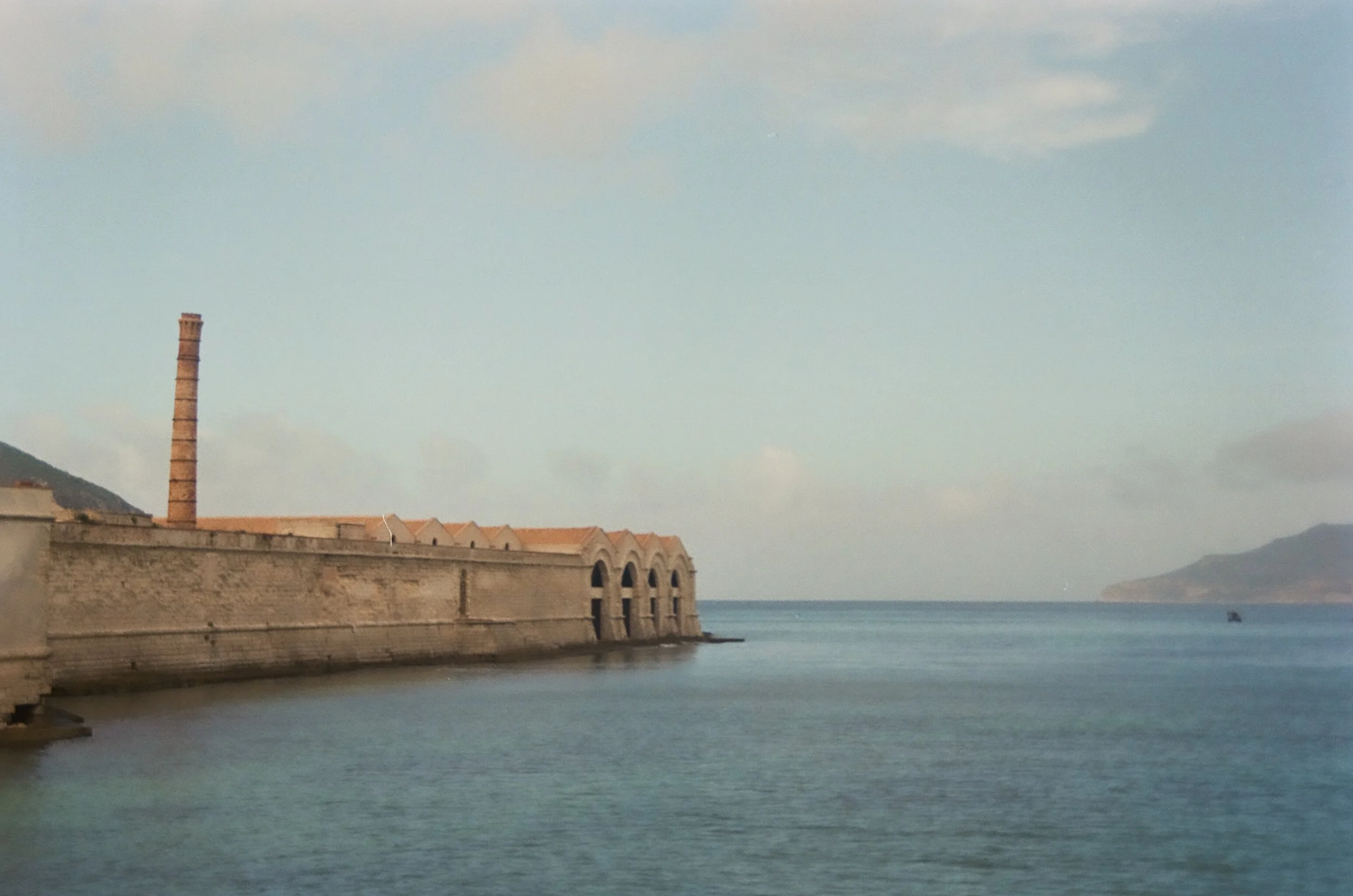
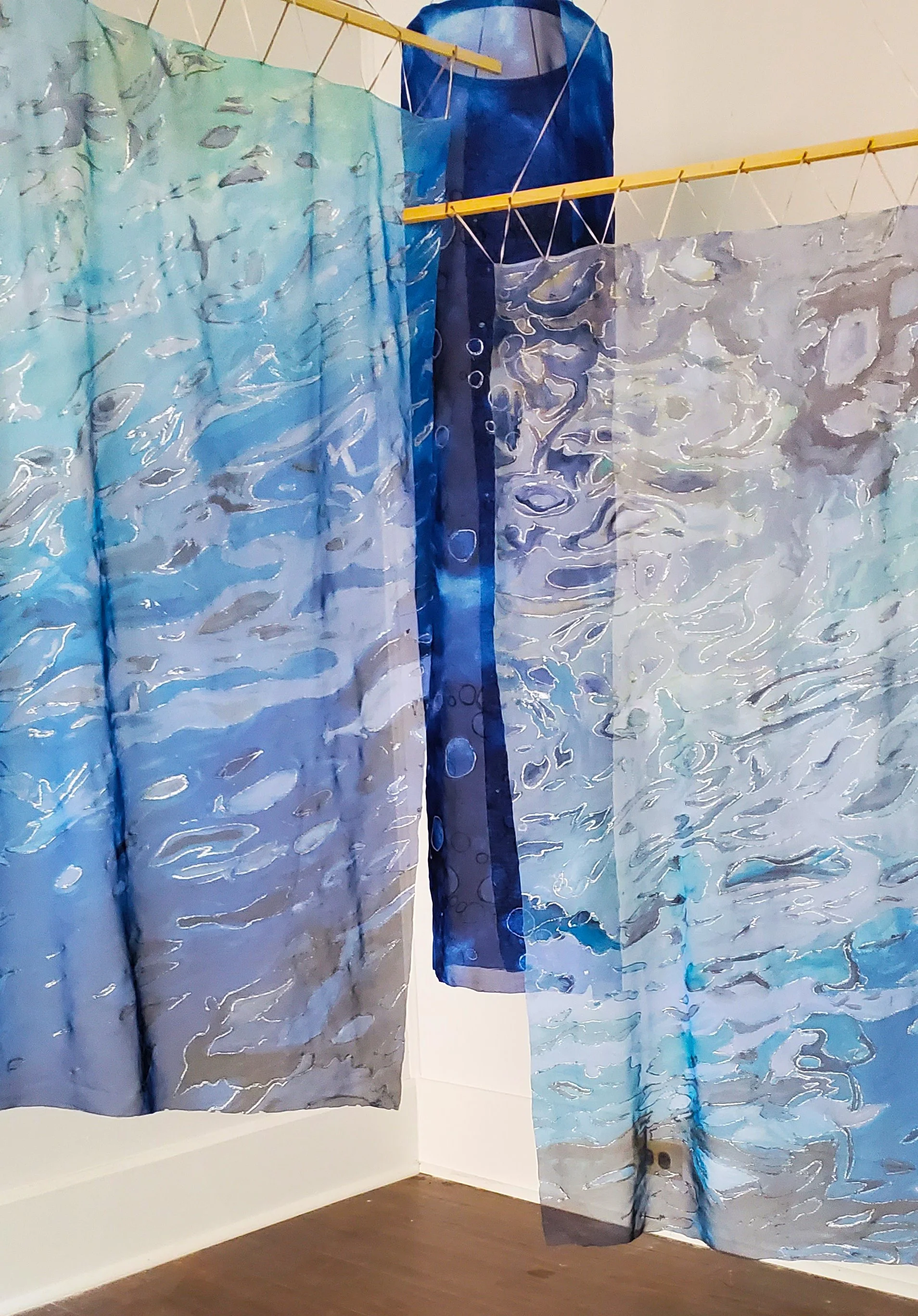
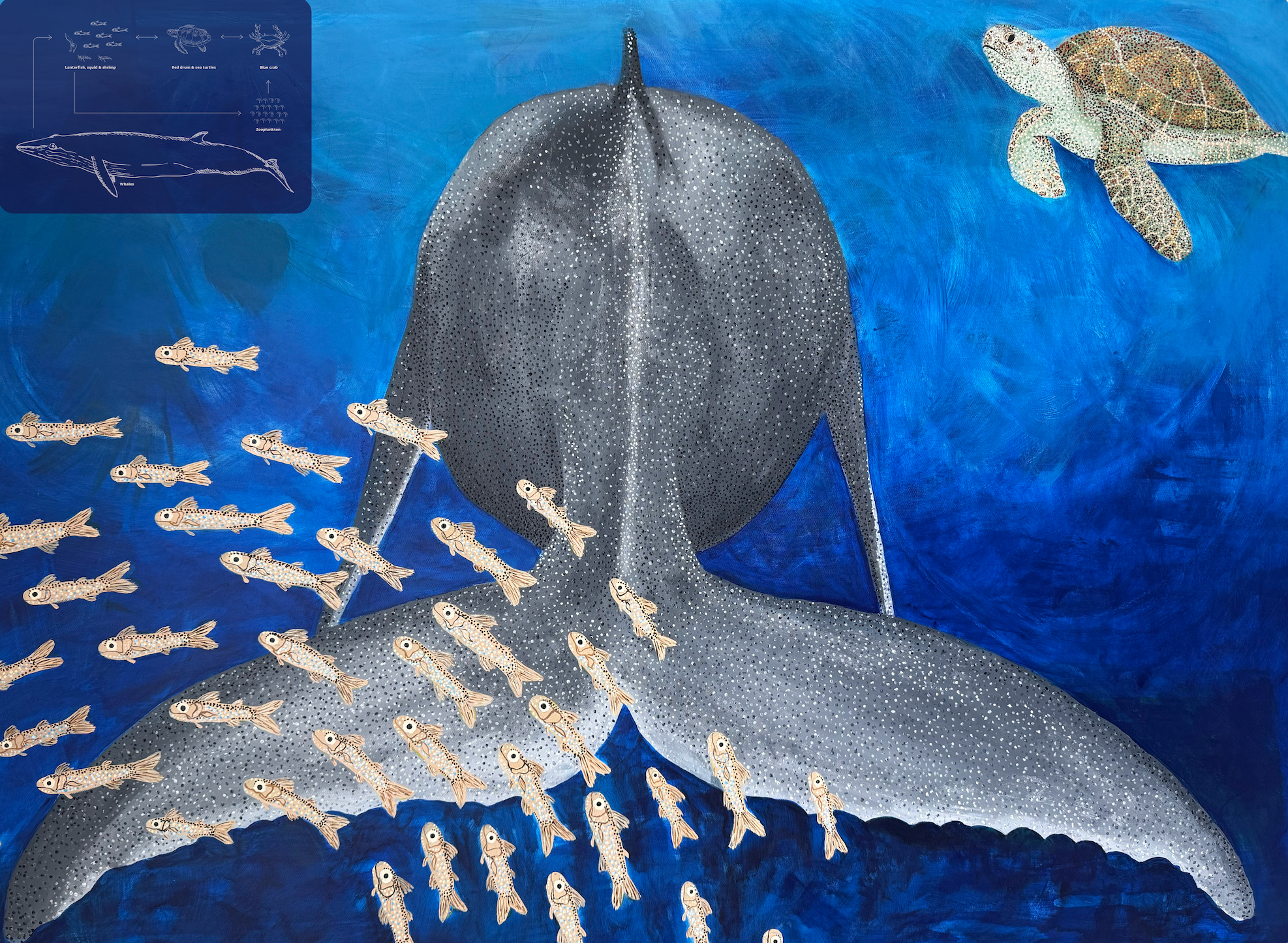
Orca we Remember, Art Farm LK, Opera
Blog Image: “Een man en een vrouw op een steiger langs rotsen aan zee, Japan” by Jan Adriani, 1917